The Editorial Coordination Team is in charge of guaranteeing the high academic level of the content of the magazine.
Direction

She holds a Ph.D. in Social Anthropology from the Center for Research and Advanced Studies in Social Anthropology (ciesas) and the University of Guadalajara. Member of the snii level iii and the National Academy of Sciences. Research professor at the ciesas Occidente. Co-founder of the Network of Researchers on the Religious Phenomenon in Mexico (rifrem). During his research career he has dedicated himself to the study of religious diversity in Mexico; to the study of new religious movements; to the emergence of alternative spiritualities such as the new age and "Neomexicanidad"; more recently, he has researched the dynamics of the transnationalization of Aztec ritual dances and popular religiosity. He has held more than a dozen ethnographic photography exhibitions. Among his most recent publications is the book Latin American Variations on New Age. Mexico: ciesas, 2013; published in English New Age in Latin America. Popular Variations and Ethnicity Appropriations., 2016. Author of "Ultra-Baroque Catholicism: Multiplied Images and Decentered Religious Symbols,", Social Compass (2016); co-author of the following articles: "Routes and Postcolonial Meanings of Religious Transnationalization,", Tiers Monde (2016); "Religious Studies in Latin America,", Annual Review of Sociology (2016); "The Temazcal: A Pre-Hispanic Ritual Transculturalized by Alternative Spiritual Networks,", Social Sciences and Religion (2016) and "Religion and Rescaling: How Santo Toribio Put Santa Ana on the Global Religious Map,", Current Sociology (2016). Orcid: https://orcid.org/0000-0003-3914-4805
Section editors
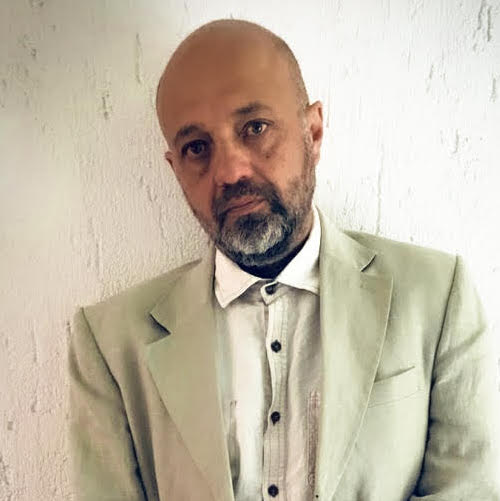
is a full time researcher in the Anthropological Sciences program at El Colegio de San Luis; he is interested in mythological, oneiric, ritual, and aesthetic processes, as well as in Chinese migration and its social repercussions. He has worked with cultures of western Mexico, such as Huichol and Cora, and people groups of the southwestern United States. She currently has two projects: one on Sinophobia and its social impact; the other on the dream world as a form of knowledge in different cultures. https://orcid.org/0000-0002-2974-1991
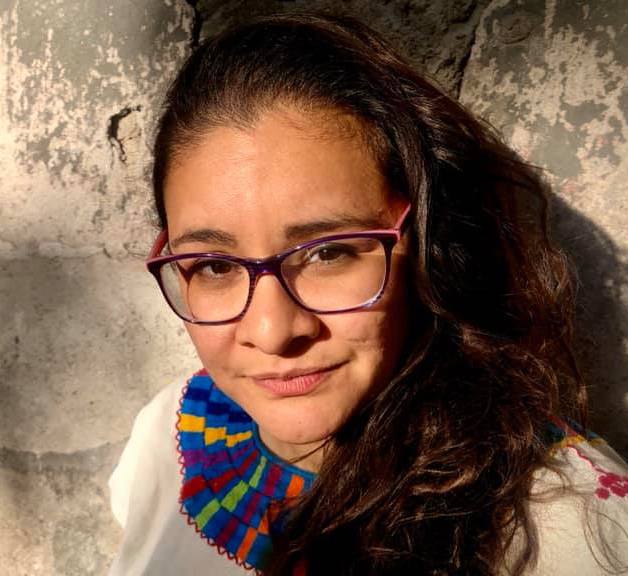
is a postdoctoral researcher at the Secretariat of Science, Humanities, Technology and Innovation (sehciti) at El Colegio de San Luis (colsanHer current project focuses on the implications of the exploration of the therapeutic potential of peyote from a biocultural territory defense approach. Her lines of research are the perception and social imaginary of spaces and the methodologies and applications of visual anthropology in social research. She is co-director of the documentary ...And I'm not leaving the neighborhood! Orcid: https://orcid.org/0000-0001-6957-1299
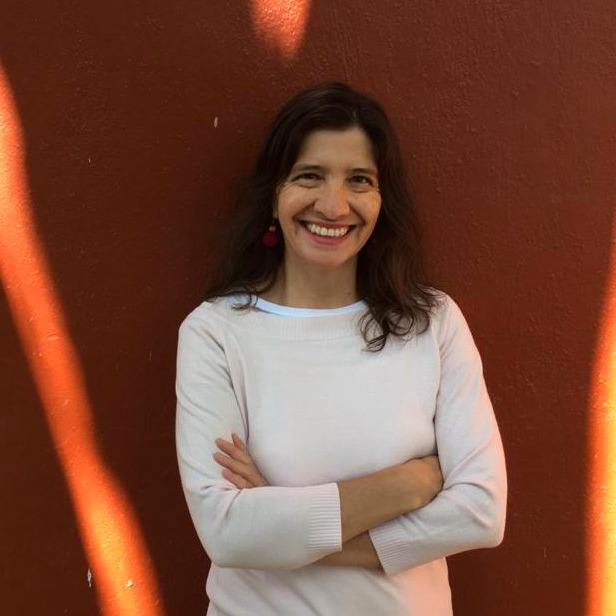
is a researcher at CIESAS Mexico City and holds a PhD in Cultural Anthropology from The City University of New York (2002-2008). Among her publications are the books: Indigenous Media and Political Imaginaries in Contemporary Bolivia (University of Nebraska Press, 2017, award inah Fray Bernardino de Sahagún) and Ethnographies of "On Demand" Films: Anthropological Explorations of Commissioned Audiovisual Productions, co-edited with Alex Vailati (Palgrave-Macmillan, 2021). Directed the documentary Cordero Archive (Mexico-Bolivia, 2020). In 2023 she co-coordinated the project "Restoring Territory and Memory: Samples of Visual Archives in Michoacán", selected as part of the initiative "Reimagining Futures, (un)Archiving the Past". Her current project is entitled "Prospecting over ruins: visuality, railway infrastructure and indigeneity in the Isthmus of Tehuantepec".
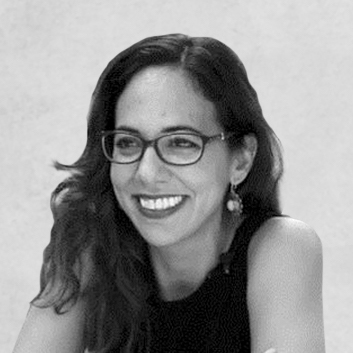
is a research professor at the Instituto Tecnológico y de Estudios Superiores de Occidente (ITESO), Universidad Jesuita de Guadalajara, and a member of the National System of Researchers, level I. D. from Boston University, she specialized in war, memory and subjectivity in the narrative of the Mexican Revolution. She did her postdoctoral research on art and border at El Colef, in Tijuana, entitled “Poéticas de las excedencias”. She is currently working on the tensions at the crossroads between aesthetic practices, politics and social action in contexts of violence, disappearance and migration. She is a member of the Hemispheric Encounters network and the International Network for the Study of the Gaze. Member of the working group Intemperie. She has recently published “Las políticas de la interpretación: pautas para abordar la relación entre estética, política y comunicación”, in Mauricio Andión Gamboa and Dana Arrieta Barraza (coords.) (2024). The image and time. Looks at the thought of Diego Lizarazo; with Patricio Azócar Donoso (2023). “Intemperie: políticas de la voluntad y poéticas del cobijo”, Etcetera. Journal of the Social Sciences Areas of CIFFYH(12); and also with Patricio Azócar Donoso (2024). “Inclemencia, cobijo y agenciamiento”, ArteFactos. Mexico City: UNAM/CISAN, pp. 297-320. ORCID: https://orcid.org/0000-0002-9159-2106
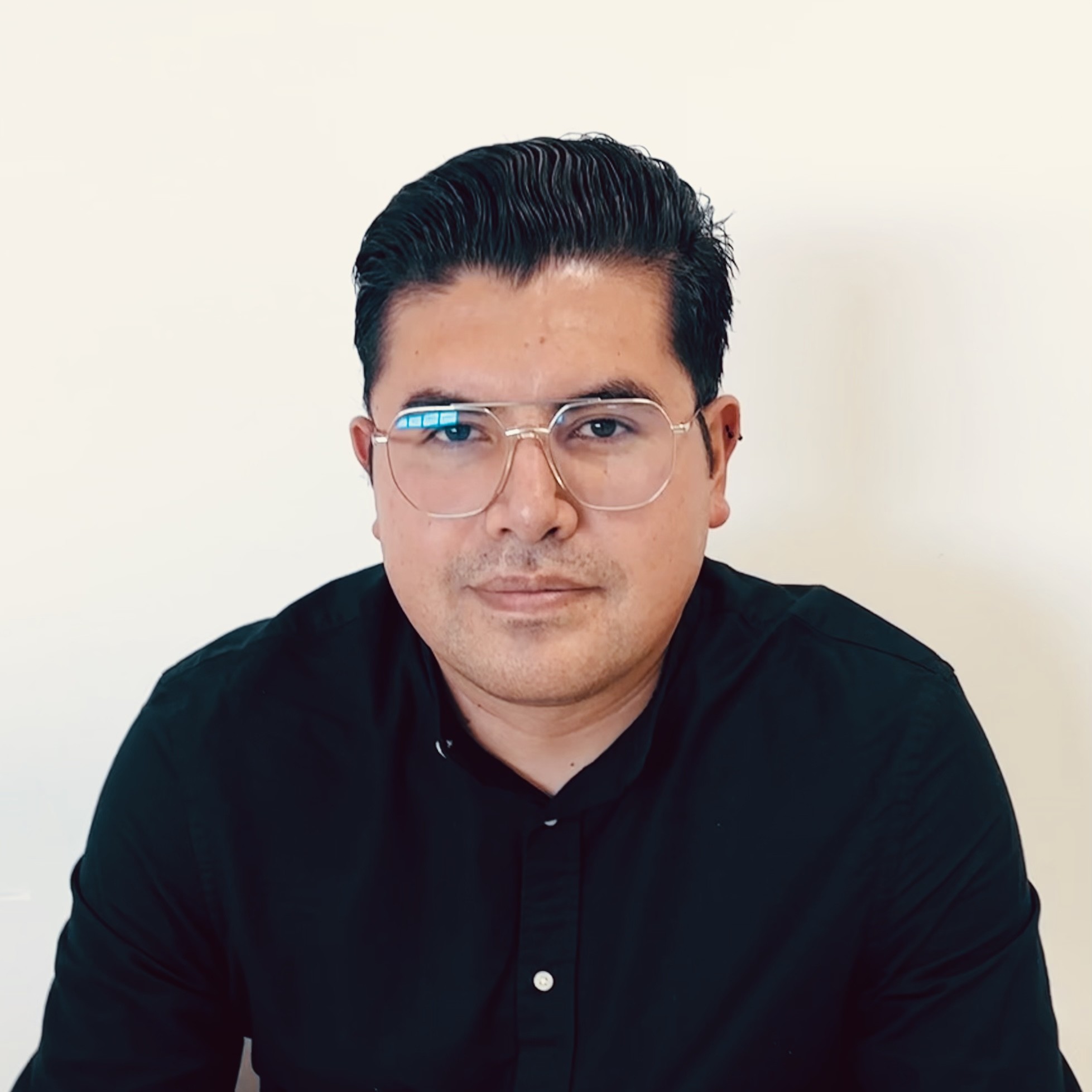
is a social psychologist and PhD in Social Sciences with a specialty in Social Anthropology; postdoctoral fellow in the line of Cultures and Contemporary Identities at CIESAS Occidente. His research interests include identity and subjective reconfigurations in the face of socio-cultural change processes.
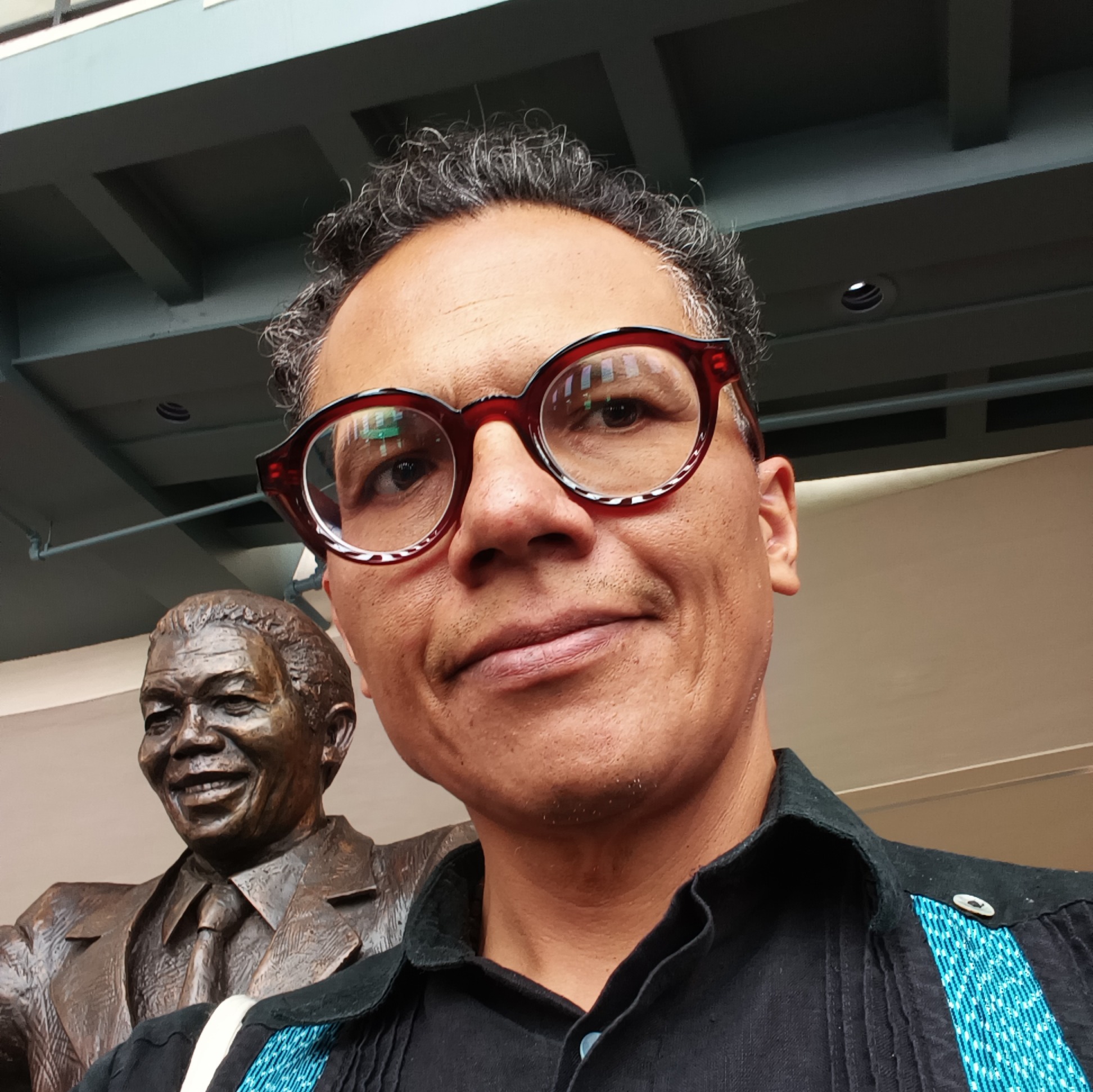
Doctor en Sociología del Desarrollo Rural por la Universidad de Wageningen, Holanda; maestro en Semiótica por la Universidad de Tartu, Estonia, así como maestro y licenciado en Antropología Social por el Centro de Estudios Superiores en Antropología Social (CIESAS-Occidente) y la Escuela Nacional de Antropología e Historia (ENAH), respectivamente. Actualmente se desempeña como profesor-investigador en El Colegio de la Frontera Norte (El Colef), adscrito al Departamento de Estudios Culturales y coordina el Laboratorio XQUENDA lab, laboratorio de creatividad e innovación indígena digital. Es miembro del Sistema Nacional de Investigadoras e Investigadores (SNII) nivel 2. Sus principales temas de investigación son el acceso, uso y apropiamiento tecnológico entre comunidades indígenas, así como los laboratorios de innovación tecnológica, social y cultural.



 EN
EN  ES
ES  FR
FR  PT
PT