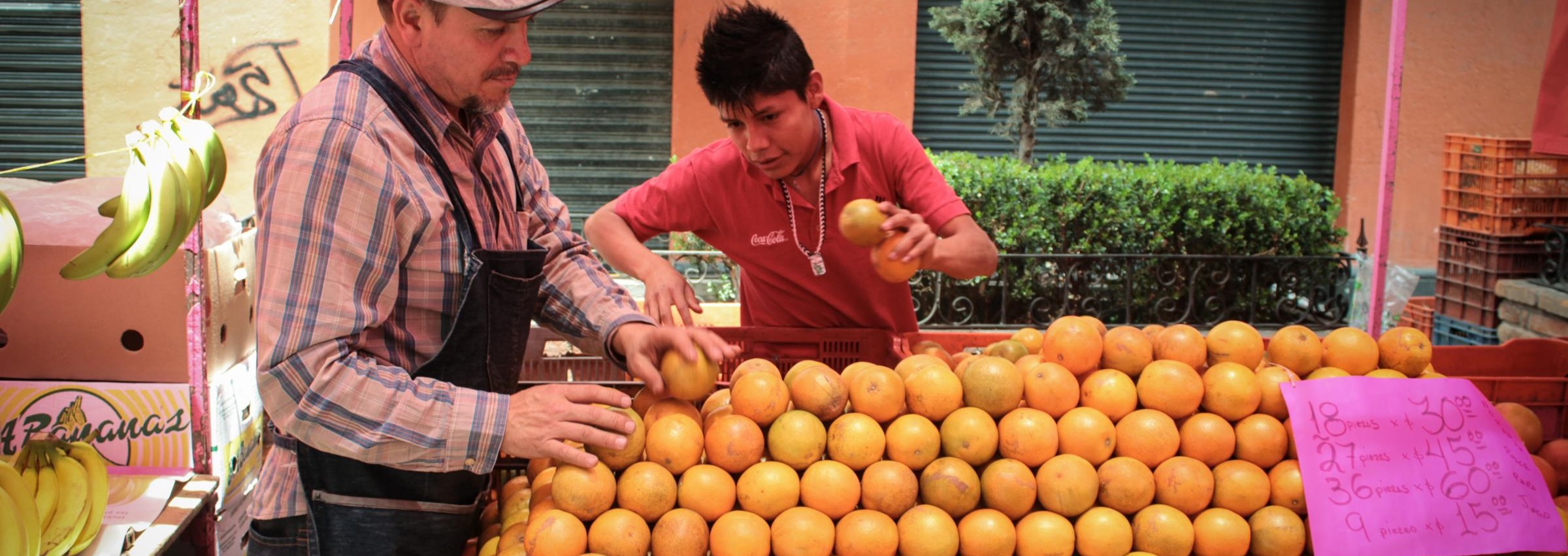


Articles about "lived religion"
Temáticas
Vol. 9, No. 18 (2026)
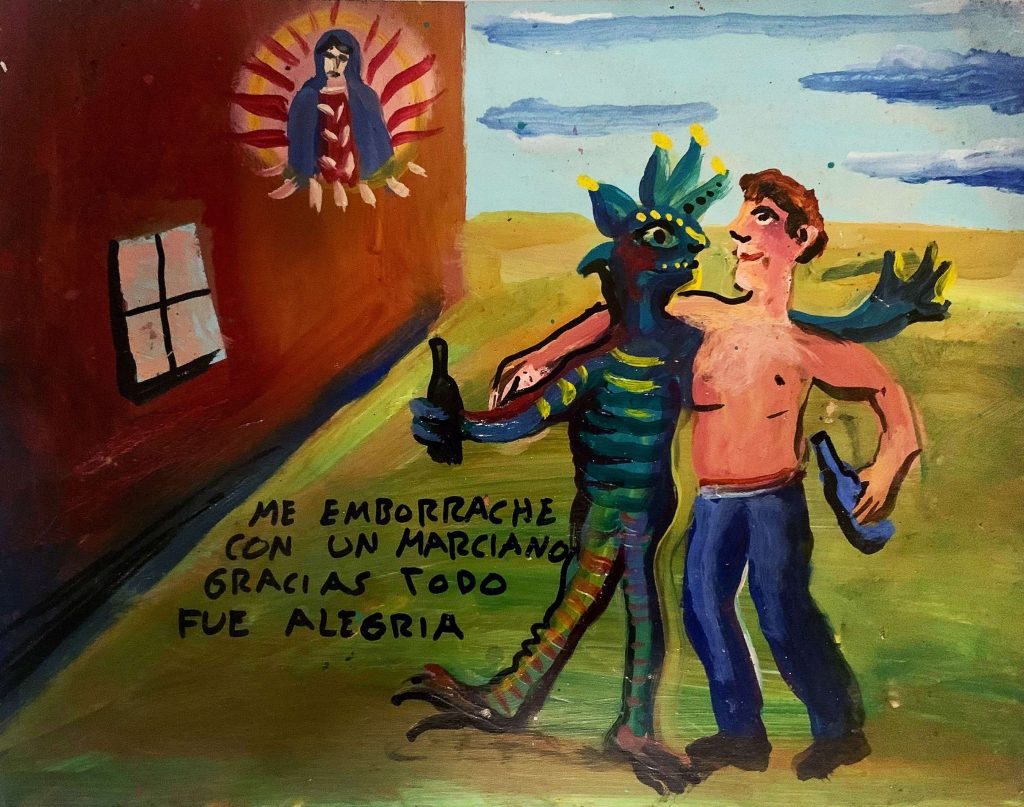
“Thanks to the Virgin”: Online Votive Offerings and Digital Religion in the Baroque Era
- Carlos Nazario Mora Duro
This article analyzes online votive offerings as a phenomenon of digital religion, in which the sacred is transferred and adapted to the virtual realm to participate in online user conversations. Virtual altarpieces manifest as forms of entertainment, self-representation, mockery, and social criticism, which emphasizes their communicative nature, their status as both individual and collective documents, as well as their popular and potentially transgressive orientation. This transgression is not limited to popular participation but also points to a devotional shift toward a secular reinterpretation of religious images. The analysis draws on Baroque modernity, emphasizing the adaptive and subversive reinvention of cultural symbols, as well as the notion of lived religion, to understand how the religious and the everyday intertwine in the digital context.
EncArtes multimedia
Vol. 9, No. 18 (2026)
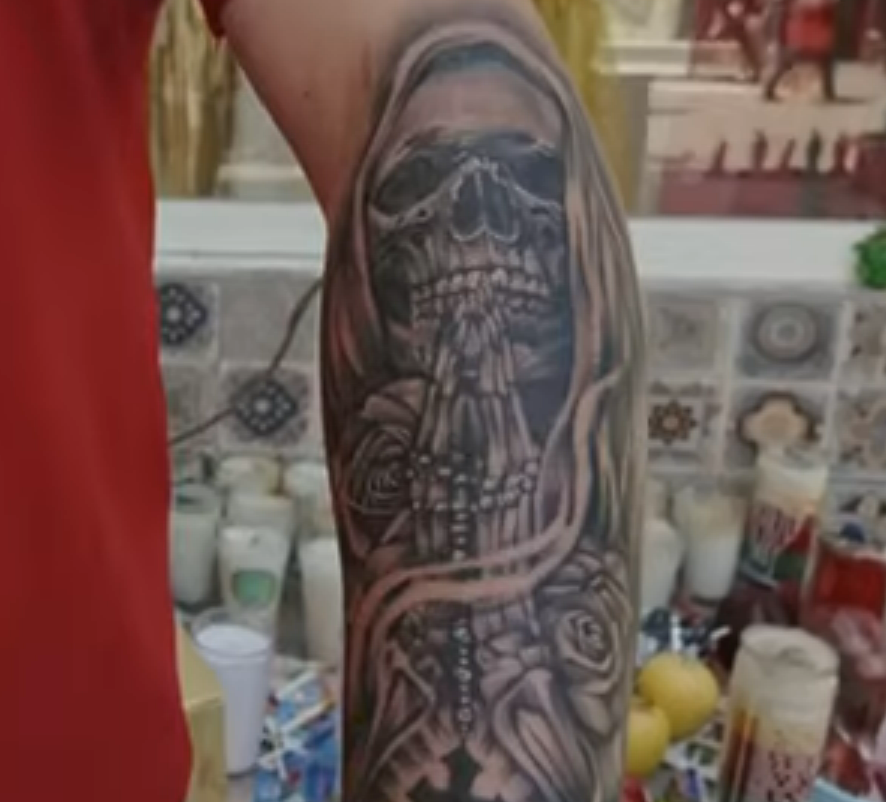
Santa Muerte Tattoos
- Gustavo Morello
Este multimedia explora el uso de los tatuajes como práctica religiosa entre los devotos de la Santa Muerte (sm) in the context of Mexico City and its surrounding areas. The veneration of the sm has complex roots, with influences ranging from indigenous traditions and colonial Catholicism to pop culture. This devotion, which has been evident in Tepito since 2001, has spread beyond Mexico. Devotees, often from socioeconomically vulnerable backgrounds, seek in the sm amparo y protección, a la que ven como un gran ecualizador. Los tatuajes son una forma fundamental de esta devoción, cumplen promesas y transforman el cuerpo en un altar personal. El dolor del tatuaje se relaciona con el sufrimiento cotidiano y la devoción. Este multimedia, con base en el enfoque de la "religión vivida", documenta estas prácticas en Tepito y Tultitlán para mostrar el tatuaje como un acto de fe.
EncArtes multimedia
Vol 4 No 8 (2021)
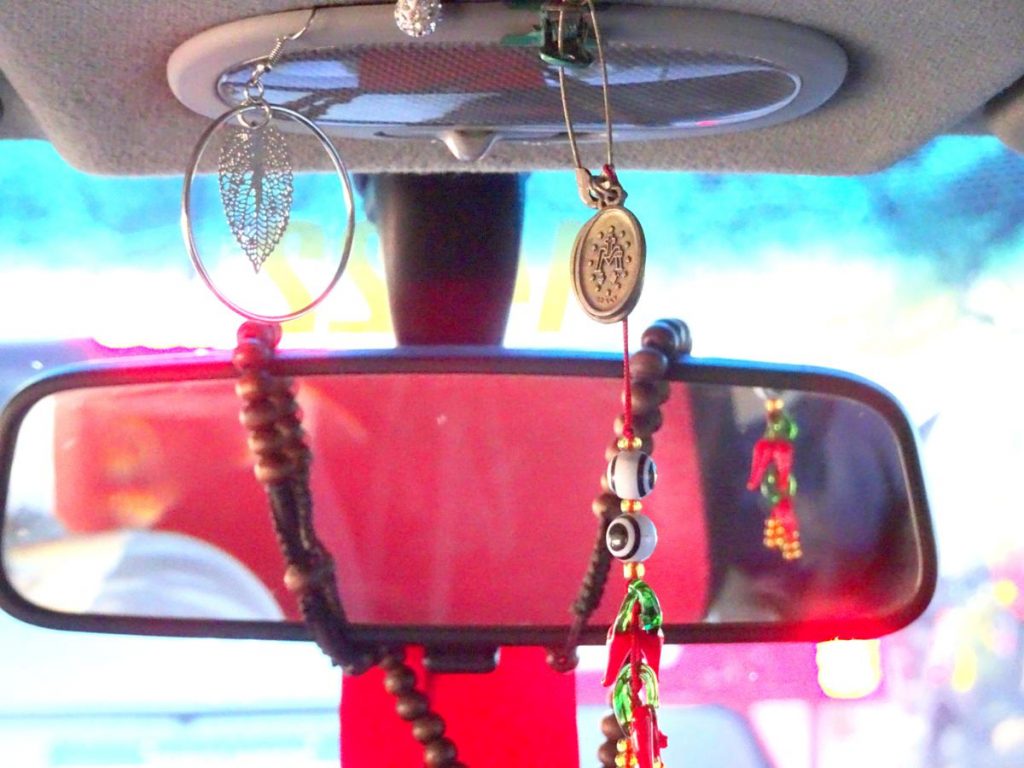
“Cabby Altars”: Random Miniethnographies of Daily (Religious) Life
- Alejandro Frigerio
This paper shows and analyzes the assemblages of magical-religious symbols and images that many cab drivers1 in the city of Buenos Aires hang from the mirrors of their cars or attach to their sun visors. She uses the word "altars" cautiously to make visible these minimalist traces of the daily religious life of the porteños, objects that at once provide protection against the dangers of everyday street traffic and testify to relationships with specific superhuman beings. In these heterogeneous assemblages appear saints and virgins, popular saints and oriental and/or esoteric symbols -that testify to the rich magical-religious diversity of the city- as well as photos and memories of individuals and social collectives with a high charge of sacredness (children, relatives, soccer clubs). These "altars" are evidence of singular religious and familial journeys, but they also result from random interactions with passengers and evidence more general and little recognized patterns of how porteños relate to superhuman beings.



 EN
EN  ES
ES  FR
FR  PT
PT