


Interviewees
Entrevistas
Vol. 9, No. 18 (2026)
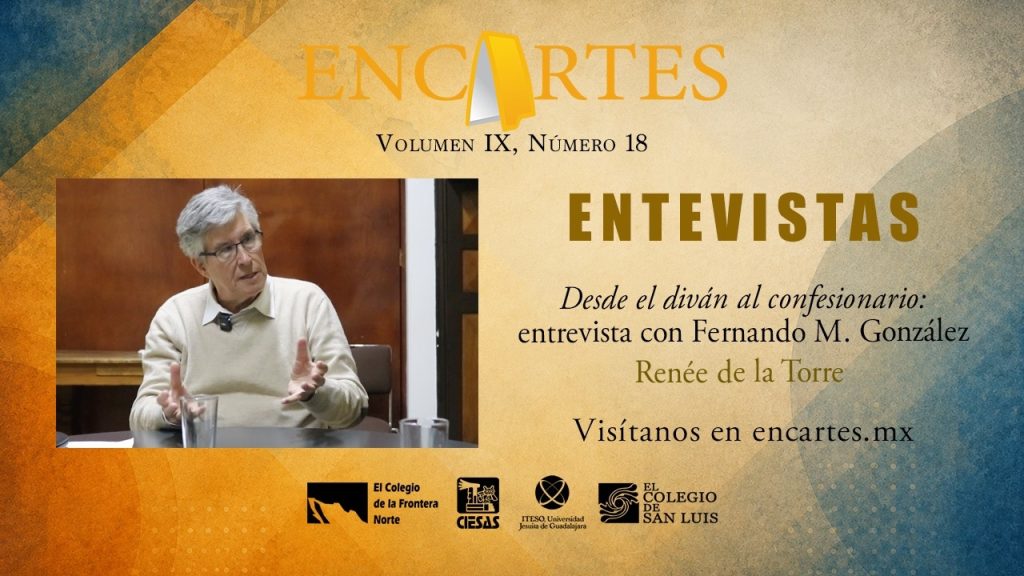
From the Couch to the Confessional: An Interview with Fernando M. González
Interview with - Fernando Manuel González González
- Renée de la Torre Castellanos
An interview by Renée de la Torre with psychoanalyst Fernando M. González about an unpublished article—rejected on ethical grounds—that compared the Catholic confession to psychoanalytic therapy. The conversation explores the tensions between religion and academia and cultural narratives of sin.
Entrevistas
Vol. 9, No. 18 (2026)
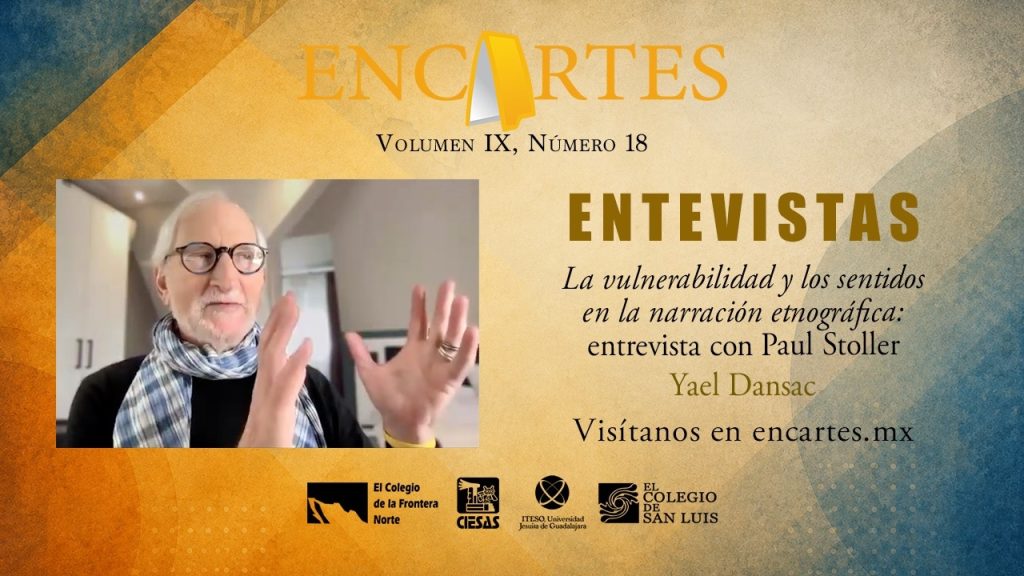
Vulnerability and the Senses in Ethnographic Narrative: An Interview with Paul Stoller
Interview with - Yael Dansac
- Paul Stoller
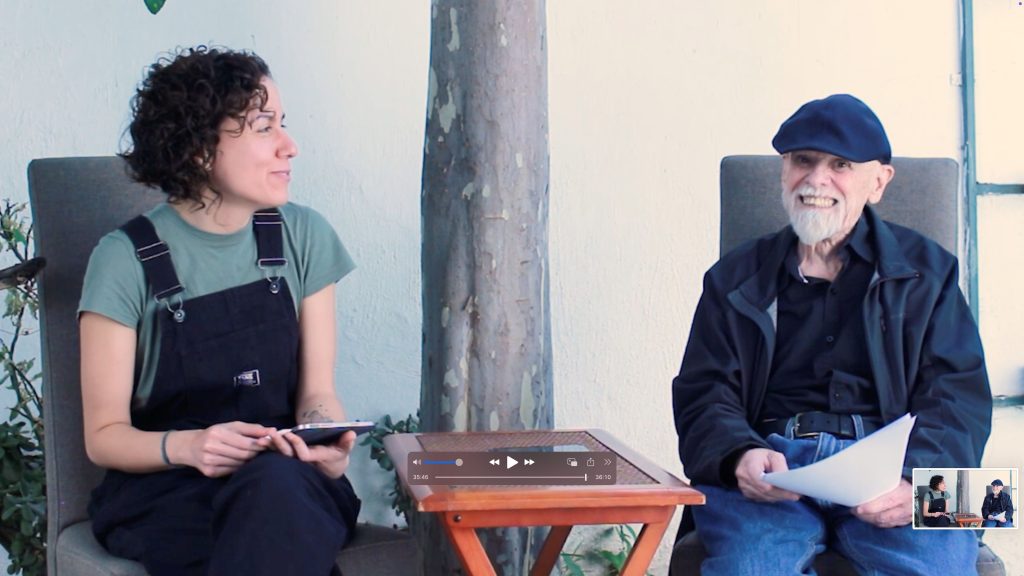
An interview with anthropologist Paul Stoller on sensory ethnography and vulnerability: his 17 years of learning from the Songhay healer Adamu Jenitongo in Niger, Jean Rouch’s «shared anthropology,» and how storytelling through the senses humanizes ethnographic writing.
Entrevistas
Vol 9 No. 17 (2026)
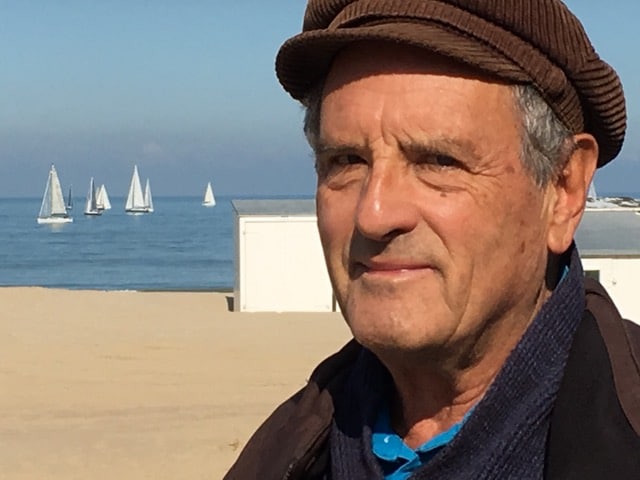
“Families are like oaks with deep roots...”. Epistolary dialogue with Daniel Bertaux based on the book Genealogías comparadas. Cultural analysis of the educational habitus in Oaxacan families.
Interview with - Daniel Bertaux
- Karla Yolanda Covarrubias Cuéllar
Diálogo epistolar entre Karla Covarrubias y Daniel Bertaux sobre genealogías culturales y habitus educativo en familias de Oaxaca.
Entrevistas
Vol 9 No. 17 (2026)
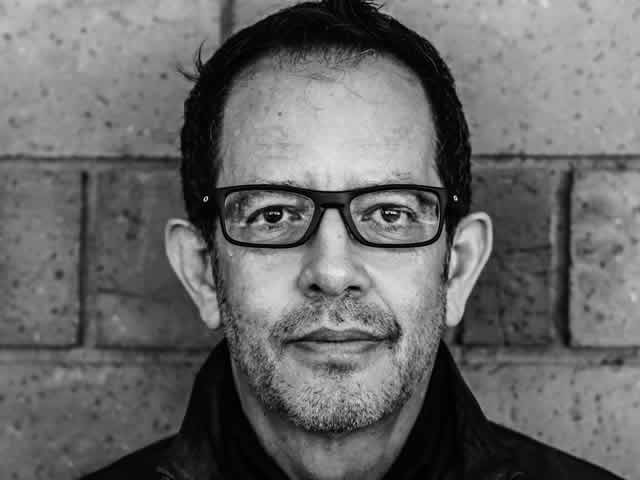
Interview with José Luis Barrios. Thinking from the fissure: aesthetics, curatorship and cinema in the work of José Luis Barrios.
Interview with - José Luis Barrios
- Alina Peña Iguarán
- Anaeli Ibarra Cáceres
Entrevista al filósofo José Luis Barrios sobre imagen, deseo, curaduría y cine naturalista mexicano.
Entrevistas
Vol 8 No 16 (2025)
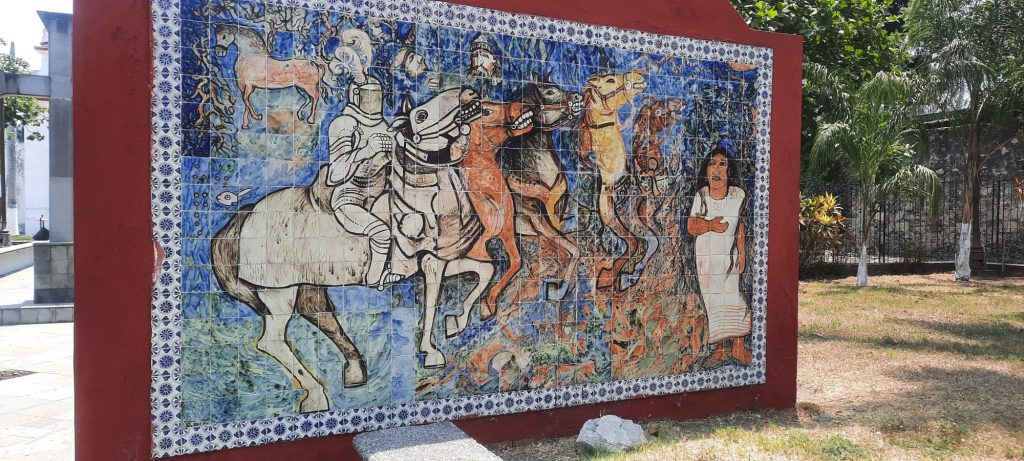
A new breed open to the future: Melchor Peredo's mural in La Antigua
Interview with - Melchor Peredo y García
- Charles Da Silva Rodrigues
- Paula Alexandra Carvalho De Figueiredo
In this interview, Melchor Peredo y García, recognized as the last representative of Mexican muralism, reflects on the historical and cultural significance of his mural. A new breed open to the futurelocated in La Antigua, Veracruz. Maestro Peredo addresses the importance of representing Mexican identity through muralism and shares his vision of the relevance of mural art in education and cultural identity in Mexico. He also discusses its purpose of challenging historical lies and fostering a deeper understanding of history, highlighting the role of art as a means of cultural resistance and the search for truth.
Entrevistas
Vol 8 No 15 (2025)
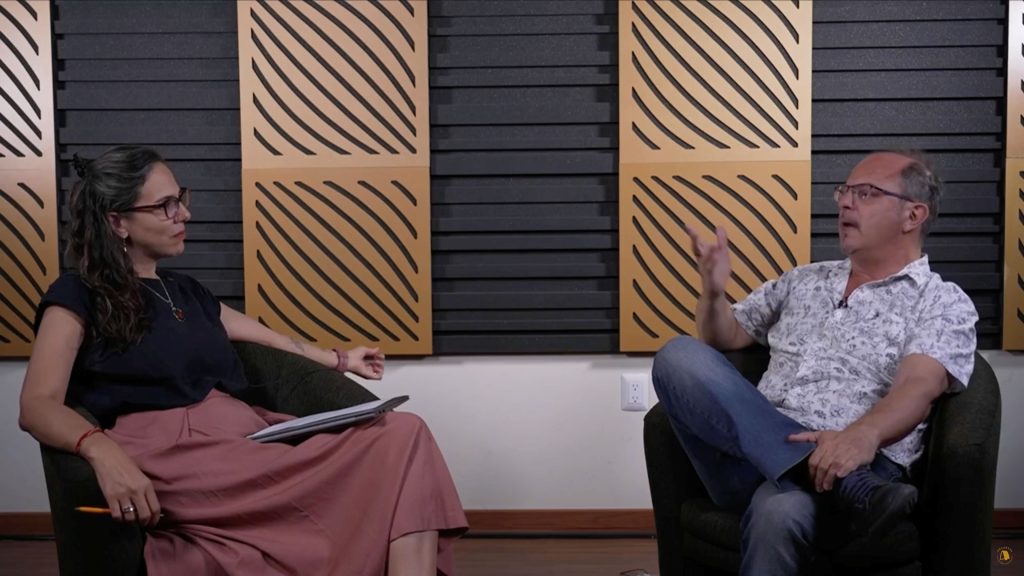
Interview with Alejandro Grimson: Intellectual challenges for the political imagination
Interview with - Alexander Grimson
- Alina Peña Iguarán
The interview "Intellectual challenges for the political imagination" presents a dialogue with Alejandro Grimson, a prominent Argentine anthropologist known for his analysis of identities and borders in Latin America. Alina Peña Iguarán highlights his contributions on cultural configurations and the concept of frontier as a dynamic space of interaction and conflict. The conversation addresses three moments: the Latin American debates of the 1990s, the genesis of his book "The Limits of Culture", and the analysis of the rise of the extreme right. Grimson reflects on nationalism, crisis of representation, and the urgency of building alternatives to the current political "mess" that weakens democracy.
Realidades socioculturales
Vol 7 No 14 (2024)
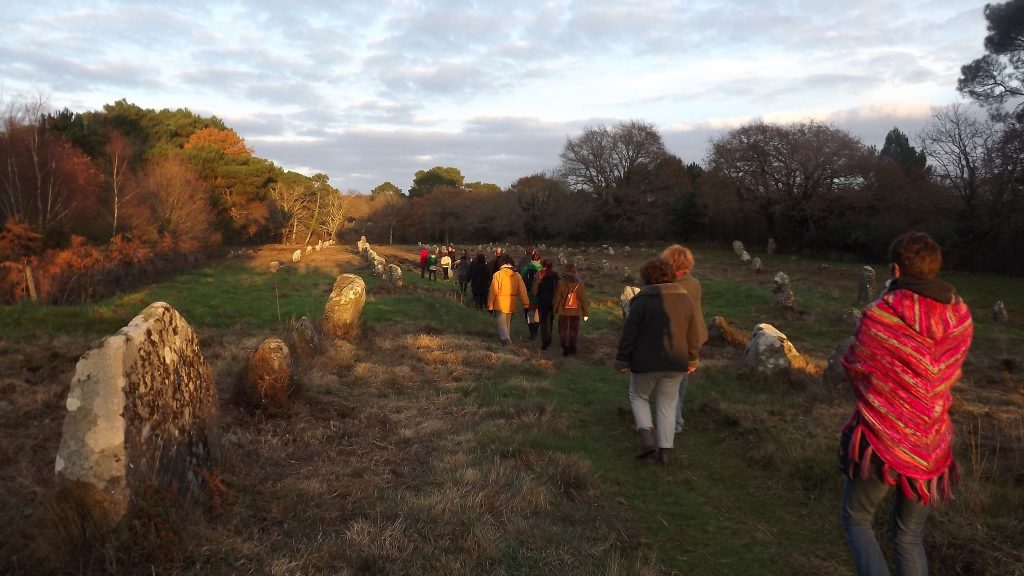
Learning to see and feel the invisible: somatic pedagogy in alternative spiritual practices.
- Yael Dansac
The article exposes a progressive somatic learning process aiming at the production of a sensitive body capable of interacting with non-human agents promoted in spiritual practices of New Age and neo-pagan inspiration. Contemporary rituals performed at the archaeological site of Carnac, France, are taken as ethnographic and empirical basis by considering them as sensory learning spaces where participants develop their bodily attention to verify the efficacy of the implemented techniques. The analysis shows that the main elements that compose the applied somatic pedagogy are the learning of an alternative sensory language, the execution of body techniques, the practice of visualization and the incorporation of somatic imaginaries.



 EN
EN  ES
ES  FR
FR  PT
PT