
Coloring Silence: Audiovisual and Textile Narratives by Gambian Women Through Batik
- Martha Ileana Landeros Casillas
- - see biodata
Coloring Silence: Audiovisual and Textile Narratives by Gambian Women Through Batik
Received: May 23, 2025
Accepted: January 8, 2026
Abstract
This article presents a qualitative study of the life stories of women from Lamin, The Gambia, approached through the batik as a cultural practice and a tool for generating situated knowledge. Sponsored by the University of Guadalajara, the study proposes the collective construction of narratives through a creative and audiovisual space that promotes participation and horizontal dialogue. Grounded in intersectional theory, postcolonial feminism, and art-based research, it recognizes textile and audiovisual practices as legitimate forms of knowledge and challenges epistemic hierarchies. Methodologically, collaborative workshops were conducted to batik with audiovisual recording. The results show that the batik, together with audiovisual media, allows people to express their memories, identities, and experiences, thereby promoting agency and the production of contextualized knowledge.
Keywords: art, audiovisual, batik, life stories, women
Dyeing the Silence: batik An Audiovisual and Textile Narrative Among Gambian Women
This article presents a qualitative study of the life histories of women from Lamin, Gambia, drawing on batik as both a cultural practice and a tool for producing situated knowledge. Supported by the University of Guadalajara, the study proposes the collective construction of narratives through a creative and audiovisual space that fosters participation and horizontal dialogue. Grounded in intersectional theory, postcolonial feminism, and arts-based research, it recognizes textile and audiovisual practices as legitimate forms of knowledge and challenges epistemic hierarchies. Methodologically, the study involved audiovisual recordings of collaborative batik workshops. The findings show that batik, along with audiovisual media, enables the expression of memories, identities, and experiences, fostering agency and the production of contextualized knowledge.
Keywords: Women, life histories, batik, art, audiovisual media.
In various contexts, many women have lived lives deeply intertwined with experiences of suffering, to the point that they have internalized the idea that it is not worth talking about themselves, their emotions, or their experiences. This silencing, far from being a voluntary act, stems from social, cultural, and colonial structures that have systematically marginalized women’s voices, as in African contexts (Spivak, 1988; Mohanty, 2003; Oyěwùmí, 1997). However, through certain community initiatives, this silence is beginning to be challenged, paving the way for a reframing of collective memory from a gender perspective. The project presented in this paper, carried out in Lamin, The Gambia, has as its fundamental objective to encourage these women to share their life stories through the use of the technique of batik, not only as an artistic medium, but also as a symbolic tool for reconstructing women's historical memory.
The batik –a traditional textile-dyeing technique using wax– holds deep cultural significance in West Africa, particularly in The Gambia, where it serves as a visual language accessible to women. Through symbols, colors, and patterns, the batik conveys stories of local mythology, gender roles, and ancestral memories, serving as a means of expressing experiences and emotions that often have no place in oral discourse. In addition to its cultural dimension, the batik It represents a significant source of income, which enhances the financial autonomy of the participating women. The practice also promotes the intergenerational transmission of knowledge and collective creation. In this process, the project fosters co-authorship, in which women—in addition to creating textile pieces—actively participate in the design and construction of a visual archive that captures their voices and perspectives. The participatory and horizontal methodology used contributes to collective empowerment, giving rise to a shared visual narrative that articulates personal and collective memories. Within this framework, a documentary was also produced that captures the testimonies of participating Gambian women through the practice of batik, understood as a creative and narrative process. Based on this artistic experience, the life stories take the form of a situated and collective audiovisual archive. The project was carried out with 20 women between the ages of 23 and 60 from the Lamin community, who were brought together through the community leadership of Mariama Manga, director of a local school/orphanage and a key figure in coordinating women’s initiatives related to batik and the informal economy. The group was not created for this research project; rather, it already existed as a space for textile production and mutual support. The research consisted of accompanying, observing, and documenting through audiovisual means a process that was already underway, limiting the concept of horizontality to the workshop space and not to the final academic authorship of the study.
The Gambia: Background, Territory, and Population
The Gambia, a small West African country almost entirely surrounded by Senegal, was a British protectorate from 1820 and a formal colony beginning in 1886 following the territorial reorganization resulting from the Berlin Conference. Beyond political occupation, coloniality shaped economic, social, and epistemic hierarchies that restructured local forms of organization and production, establishing structures of dependency and inequality that did not disappear with independence. These historical legacies continue to influence the distribution of resources, educational and employment opportunities, as well as the way gender relations are structured today.
In today's world, gender gaps remain significant. According to the United Nations Development Program's Gender Inequality Index [pnud] (2022), The Gambia ranks among the countries with the greatest disparities in West Africa. The literacy rate for women remains lower than that for men, and practices such as female genital mutilation—which affects 73% of women between the ages of 15 and 49 (The dhs Program, 2019)—highlight the persistence of mechanisms of control over women's bodies and sexuality.
Various ethnic groups coexist in the country—including the Mandinka, Wolof, and Fulani—whose forms of social organization are structured around extended family units in which lineage and the transmission of property and authority are primarily established through the male line. Although the government has enacted legal reforms regarding rights, customary norms continue to govern daily life, with male authority regulating inheritance, marriage, and family decisions. Within this framework, religion—predominantly Islam—is intertwined with community traditions that legitimize practices such as polygamy and reinforce a gendered division of labor that places women in positions of economic and symbolic dependence.
The intersection of gender, ethnicity, family structure, and economic insecurity places unmarried women, single mothers, and widows in vulnerable situations. In the absence of stable income and within family dependency systems, many are exposed to arranged marriages, forced unions, or widowhood arrangements that restrict their autonomy. These structures do not operate uniformly across the country, but they form a framework that allows us to understand the life stories recounted by the women participating in this study.
Theoretical and Methodological Strategies of the Workshop on batik
Life stories are a fundamental means of understanding social processes from the perspective of people’s lived experiences, as they allow us to reconstruct memories, life trajectories, and meanings that are not always recorded in official accounts. However, analyzing them requires critical scrutiny, especially when these narratives are interpreted from external perspectives that tend to homogenize diverse experiences or produce generalizations that obscure internal differences. For decades, dominant epistemologies championed the idea of a neutral and universal objectivity, grounded in the separation between the researcher and the object of study. In response, authors such as Donna Jeanne Haraway (1988) have challenged the notion of a “view from nowhere,” proposing instead the concept of situated knowledge, which acknowledges the location and responsibility of the researcher.
In line with this issue, the writing of history has historically operated within androcentric frameworks: the grand narratives of wars, conquests, political transformations, or technological advances have been crafted mostly from male perspectives, leaving women on the margins of the story. This exclusion not only led to invisibility but also to a form of mediated representation, in which women’s experiences were narrated through male voices, as if they were a “borrowed narrative” that never fully captures their own meanings. In contrast, horizontal methodologies propose shifting this epistemic hierarchy through an ethic of dialogue, in which participants are not considered objects of study but rather active producers of meaning and co-authors of knowledge (Kaltmeier and Corona, 2012).
From this perspective, the research draws on postcolonial feminism and intersectional theory as analytical frameworks that allow us to problematize the power relations that permeate both women’s experiences and their representation. Postcolonial feminism has pointed out that women from the Global South have often been interpreted through universalist categories that position them as “others,” reinforcing simplified interpretations of their agency, culture, or ways of life, without addressing the historical and political contexts that produce their inequality (Mohanty, 2003; Spivak, 1988). In turn, intersectionality allows us to understand how gender intersects with other axes of subordination—such as class, ethnicity, tradition, or social position—shaping specific experiences of vulnerability as well as resistance (Crenshaw, 1991).
In the case of Gambian women, this approach allows us to recognize that their life trajectories cannot be explained solely by the category of “woman,” but rather by the way in which multiple structures simultaneously shape their lives. Empowerment, understood as a relational and multidimensional process involving access to resources, agency, and decision-making, is conceived both as an isolated individual change and as a progressive transformation ranging from awareness of one’s own capabilities to the expansion of the space for social and political action (Kabeer, 1999). This subjective reconfiguration is expressed through strengthened self-esteem, assertiveness, and an expanded social sphere, particularly when women begin to occupy spheres traditionally reserved for men.
With the goal of creating a space for expression and agency from the participants’ own perspectives, audiovisual testimonies were used as a central strategy. Audiovisual language is highly relevant because it is not limited to the logic of factual accuracy but integrates dimensions of subjectivity and reflexivity that broaden our understanding of social experience and its modes of representation. For the women, audiovisual documentation served as a resource for rethinking their image, reorganizing their memories, and questioning cultural practices or traditions that have functioned as mechanisms of control. In this sense, the creation of testimonies documents the present and leaves a visual imprint that endures over time as an affirmation of what has been lived, thought, and reinterpreted, paving the way for strategic decisions in contexts where they were previously denied the possibility of choice.
Furthermore, audiovisual life stories offer a semantic richness that is difficult to capture through written accounts alone. Elements such as vocal inflections, pauses, gestures, and body language broaden the interpretation of the narrative and also allow us to understand the relational dimension of the process: the interaction between the researcher and the participant, the conversational dynamics, and the emotional context in which the testimony takes place. This richness strengthens methodological horizontality, as knowledge emerges not only from the narrated content but also from the situated encounter in which memory is constructed in the present and, in a reflective manner, recreates both the past and the present.
In addition, this research falls within the framework of art-based research (was going), which recognizes that textile and visual practices—such as the batik– constitute legitimate forms of social analysis and knowledge production. From this perspective, artistic creation functions not only as an “expressive technique,” but also as a mode of inquiry that provides access to symbolic, emotional, and cultural dimensions that go beyond verbal language, especially in intercultural contexts or those marked by structural inequalities (Barone and Eisner, 2012). In settings marked by social, political, or family violence, artistic practices have proven to be valuable resources for processing emotions, sustaining community bonds, and building forms of collective care, while addressing identity ruptures caused by experiences of harm (Arias-López, 2015; Sastre-Díaz, 2011). Furthermore, these practices allow people to work through memories of pain without denying or silencing them, serving as tools for expressing, remembering, and resisting oblivion (Arias-López, 2015).
Although the project focused on the participants’ textile and visual creations, it also engaged with other audiovisual platforms—video, photography, and social media—as supporting tools for documenting stories, recording relevant events, and chronicling community processes in real time. These tools did not replace the artistic work but rather complemented it as a living archive of the subjective and collective transformations that the workshop sparked.
Taken together, the life stories used in this study do not seek to construct a comprehensive representation of “Gambian women,” nor to rank them as more victimized or privileged compared to other groups, but rather to highlight the structural barriers that limit the exercise of their rights and, at the same time, to recognize the strategies of resistance and agency they employ in their daily lives. This approach is rooted in a critical framework that challenges the archetypes of femininity and the gender structures imposed by dominant cultural norms, recognizing that the female experience is not homogeneous, as it is situated within and intersected by irreducible differences (Nash, 2004a, 2004b).
Batik, Memory and Narrative: A Workshop to Reconfigure Experiences
The methodological process took shape through a workshop on batik conceived as both a technical activity and a space for symbolic creation and narrative reconstruction. Textile creation was approached as a means of linking the participants’ emotional dimension with visual production, allowing personal experiences, memories, and meanings to be inscribed on the fabric. Although the batik Although it originated in Indonesia, its widespread presence in various African countries stems both from its technical accessibility and low cost, as well as from its deep-rooted cultural and everyday significance. Within the framework of the project, it was viewed as a situated expressive practice that allows for the translation of experiences, customs, and beliefs into visual compositions, in which colors, patterns, and shapes serve as vehicles for memory and identity (Barone and Eisner, 2012).
The workshop was part of an approach based on art therapy and was going , understood not only as qualitative strategies but also as forms of knowledge that view artistic creation as a legitimate production of situated knowledge, particularly in contexts shaped by subjective experiences, life stories, and structural inequalities (Barone and Eisner, 2012). From this perspective, working with visual arts opened up a space to express concerns and experiences that are often silenced or difficult to articulate, expanding the possibilities of expression beyond the strictly verbal realm (Malchiodi, 2003).
The power of the batik lies not only in its cultural or economic value, but also in its symbolic and material capacity to convey experiences that are difficult to put into words. In contexts where women’s voices have been constrained by mandates of silence and obedience, the image offers an expressive shift: it allows for storytelling without directly confronting authority, for inscribing pain in shapes and colors, and for constructing memories through a repetitive manual gesture that engages the body. The layering of wax and dye also functions as a metaphor for memory: what is covered does not disappear; it remains inscribed beneath new hues. Thus, the symbol does not replace the word; rather, it precedes it, accompanies it, or protects it, expanding the realm of the sayable.
The project prioritized the creation of a safe space for group support, where the technique of batik It served as a medium for reorganizing memories, emotions, and personal narratives. The life stories shared during the workshop highlighted structural conditions that shape women’s life trajectories—such as discrimination, precariousness, migration, and various forms of violence—showing that these experiences cannot be understood in isolation, but rather as part of intersecting and mutually reinforcing systems of oppression (Crenshaw, 1991). In this sense, the workshop served as a space for self-expression and reframing, in which artistic creation allowed participants to externalize accumulated tensions, contradictions, and pain, opening up possibilities to reconstruct their own narratives from a position of agency rather than solely from the perspective of harm (Arias-López, 2015; 2017).
In practical terms, the workshop was organized in progressive phases. In the first stage, participants worked with sketches and autobiographical evocation exercises: through music and verbal prompts, they were encouraged to revisit childhood memories and significant scenes, with the aim of triggering detailed recollections and identifying relevant biographical milestones. In a second phase, reflection sessions were held focusing on moments, actions, or references that the participants identified as decisive, linking these elements to a critical analysis of their present. Subsequent sessions integrated technical training in batik with gradual guidance in the narrative development, so that the visual composition took shape in parallel with the strengthening of a distinct voice. This framework aligns with approaches in art therapy that emphasize that the value of the creative process lies less in the final result and more in the emotional, symbolic, and relational experience that is activated during the creative process (Malchiodi, 2003).
The thematic areas addressed included social recognition, the preservation of traditions, family memory, personal dreams and sacrifices, experiences of discrimination, and working conditions. Building on these themes, the participants designed textile pieces intended to represent their lives, their roots, and what they wish to pass on to future generations. The fabrics were conceived as narrative surfaces onto which pride, nostalgia, protest, or aspiration could be inscribed, integrating places, connections, experiences, and emotions associated with their domestic and community environments. Overall, the method sought to move the artistic practice beyond its instrumental dimension —as a potential craft—to become a situated reflection on identity, belonging, and life expectations, reclaiming art’s potential as a resource for constructing memories and resisting silencing (Arias-López, 2015; Sastre-Díaz, 2011).
Signs of Resistance: batik, Work and Memory Among Gambian Women
The participants—women between the ages of 23 and 60 from different generations—provided insight into the intergenerational reproduction of gender inequalities. The technical training provided by the batik was led by a Gambian teacher, while the researcher supported the reflective and narrative aspects of the process. Linguistic mediation was achieved through a collaborative effort: Mariama Manga facilitated the translation from Wolof and Mandinka into English, and the researcher translated from English into Spanish. This division of roles made it possible to ground technical learning in local knowledge and to limit the role of the research to supporting and documenting the process.
Among the recurring themes was gender inequality perpetuated by the “mandate of silence,” described by Mariama Manga as a norm that accompanies women throughout their lives: “When a woman is a girl, she must remain silent… when she is old, she has already forgotten how to speak” (M. Manga-Gómez, personal communication, June 12, 2023).
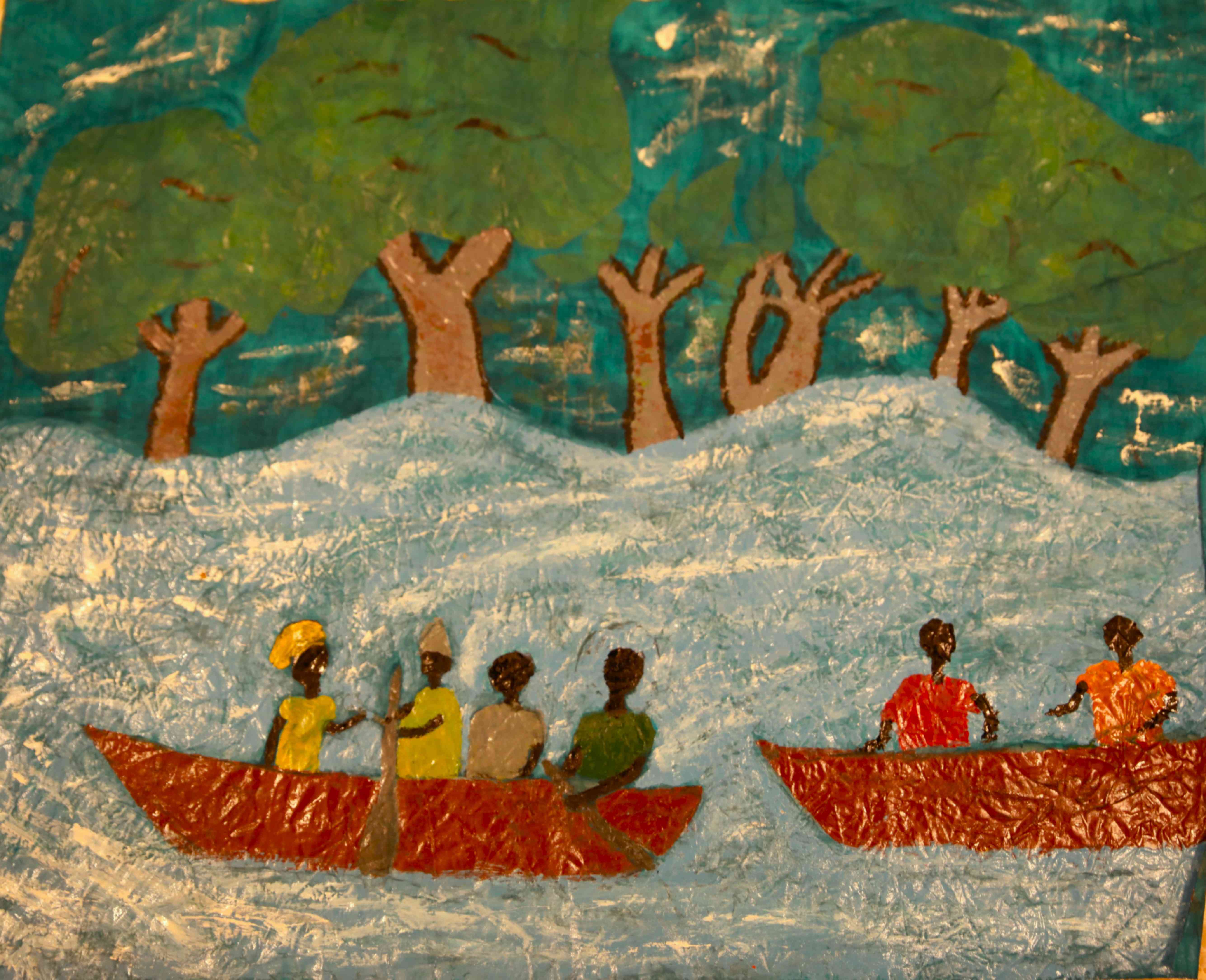
In his batik, Mariama represented her ancestors in two boats sailing down the Gambia River, evoking her family’s migration journeys and memories of displacement. “My mother is my role model… I know she did everything she could to help me become the woman I am today” (M. Manga-Gómez, personal communication, June 12, 2023). The piece brings together family memory and the intergenerational transmission of resilience.
Beyond the family memories evoked by Mariama, other life stories reveal even more starkly the ways in which the structures described are embedded in women’s childhoods, marriages, and daily work. The following stories are not isolated exceptions, but rather specific manifestations of recurring inequalities within the community context.
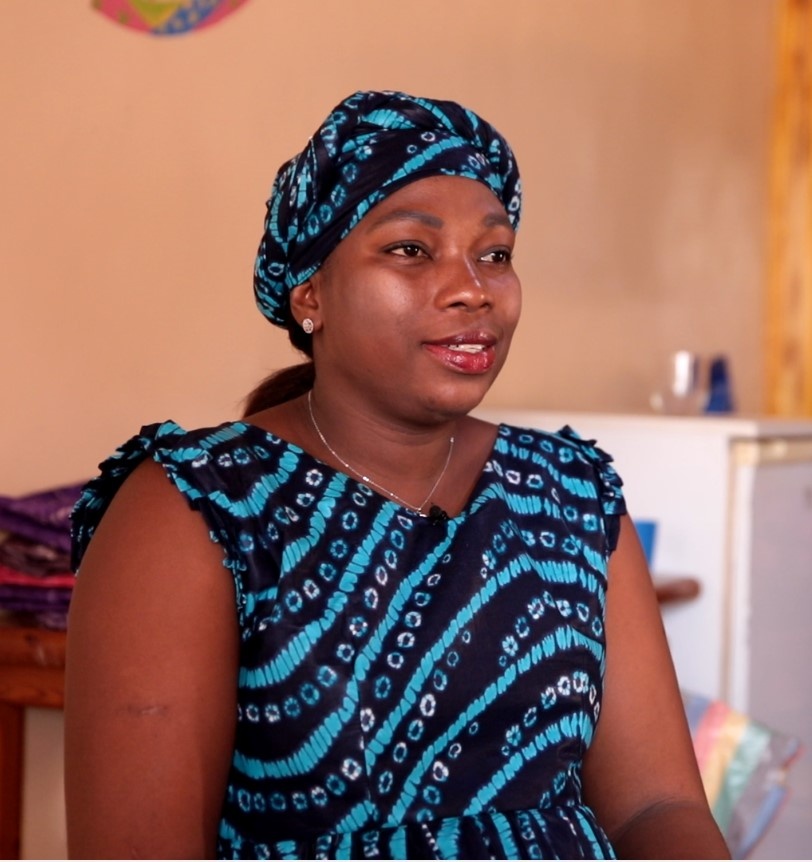
Zinta Gómez was sent to live with her grandparents at the age of three due to her parents“ financial hardship. She grew up doing heavy housework and had limited access to school. At fourteen, she became pregnant and was publicly blamed for the absence of the baby’s father. ”When I got pregnant, my grandfather stopped talking to me… on the day I was due to give birth, he hit me and refused to call a taxi; I had to go in a donkey-drawn cart” (Z. Gómez, personal communication, June 13, 2023).
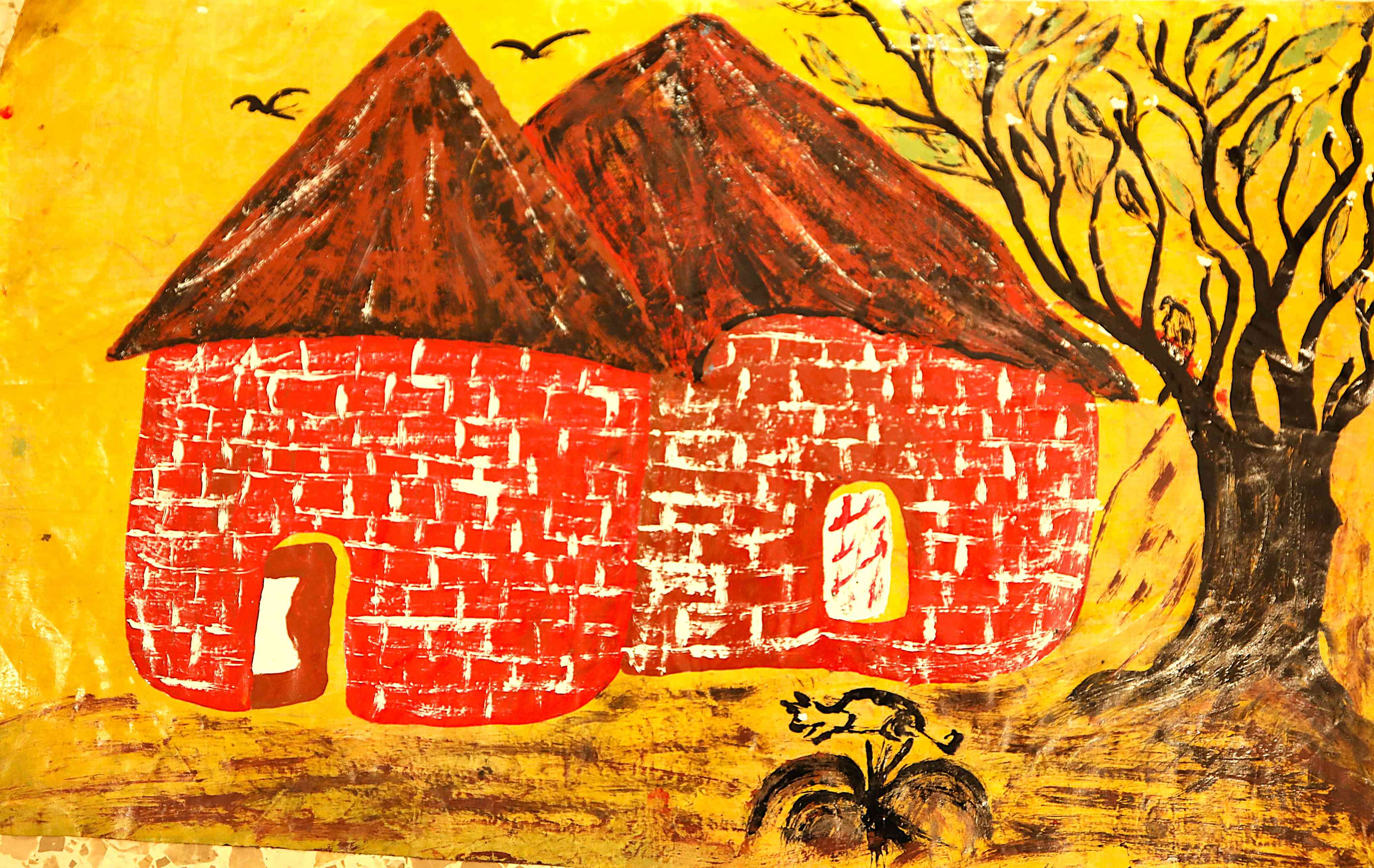
In his batik She depicted two adjoining houses and several birds in flight. The houses evoke the place where she spent her childhood; the birds symbolize the freedom she imagined for years as her only possible escape. “Many times I wished I were a bird so I could fly far away” (Z. Gómez, personal communication, July 15, 2023). The piece translates into imagery an experience of domestic confinement and a desire for autonomy.
Another recurring theme was arranged marriage and the interplay between tradition and religion in regulating married life. The participants noted that, in everyday practice, community interpretations of Islam legitimize polygamy and reinforce asymmetry in decision-making within the household. “It is the man who has the right to choose up to four wives… and often it is the woman who ends up being the family’s primary breadwinner” (M. Manga-Gómez, personal communication, June 12, 2023).
Maimuna Snok migrated from Senegal to The Gambia as a child after her mother fell ill; her mother died shortly thereafter. With no access to schooling, she was given in marriage to a man nearly twenty years her senior. After his death, and in accordance with tradition, she was assigned as a wife to the deceased’s brother, who assumed no financial responsibility for her or her daughters. “A week after his death, I had to become his brother’s wife… he only comes around when he wants to have sex with me, and then he disappears” (M. Snok, personal communication, June 23, 2023).
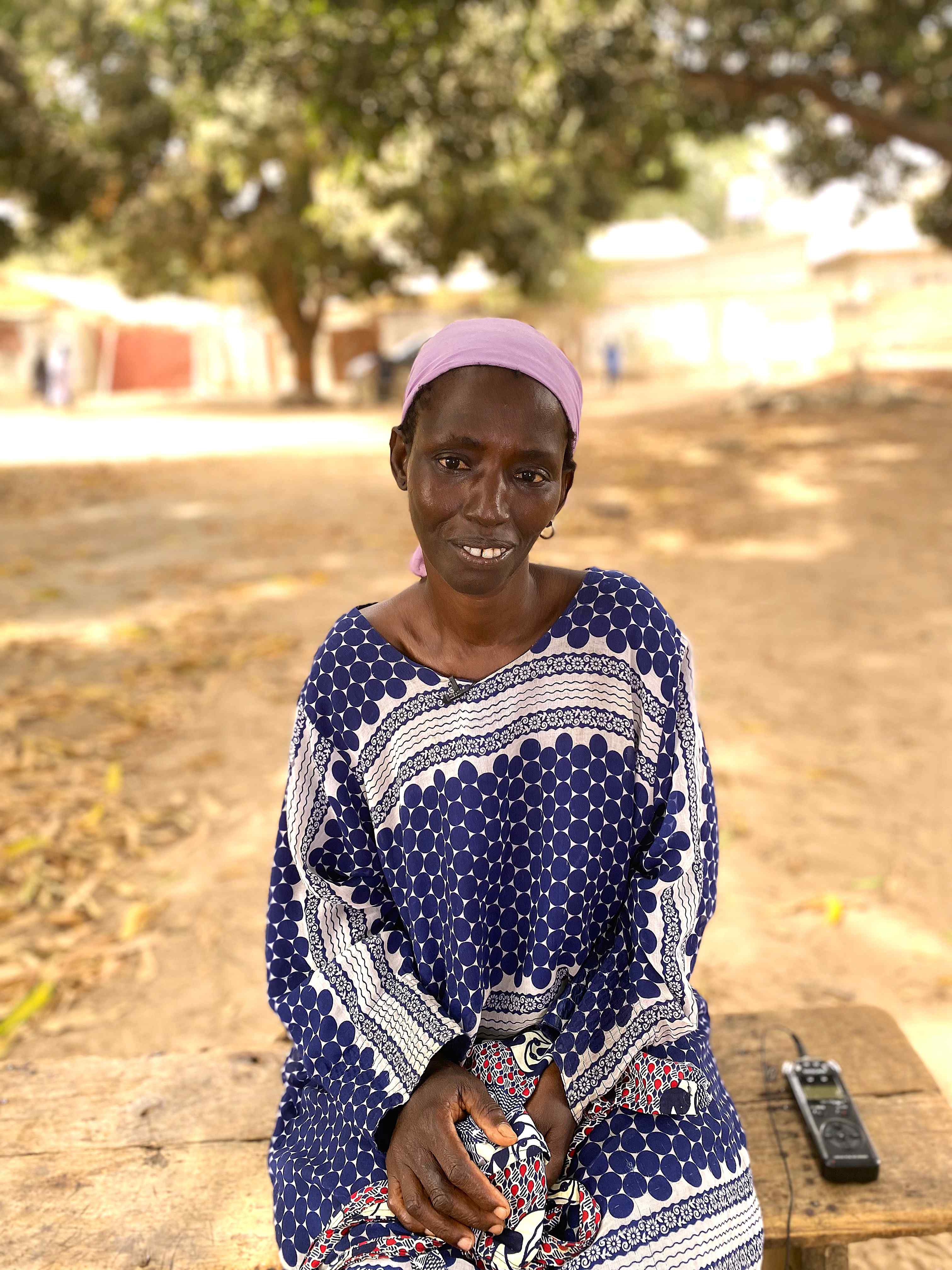
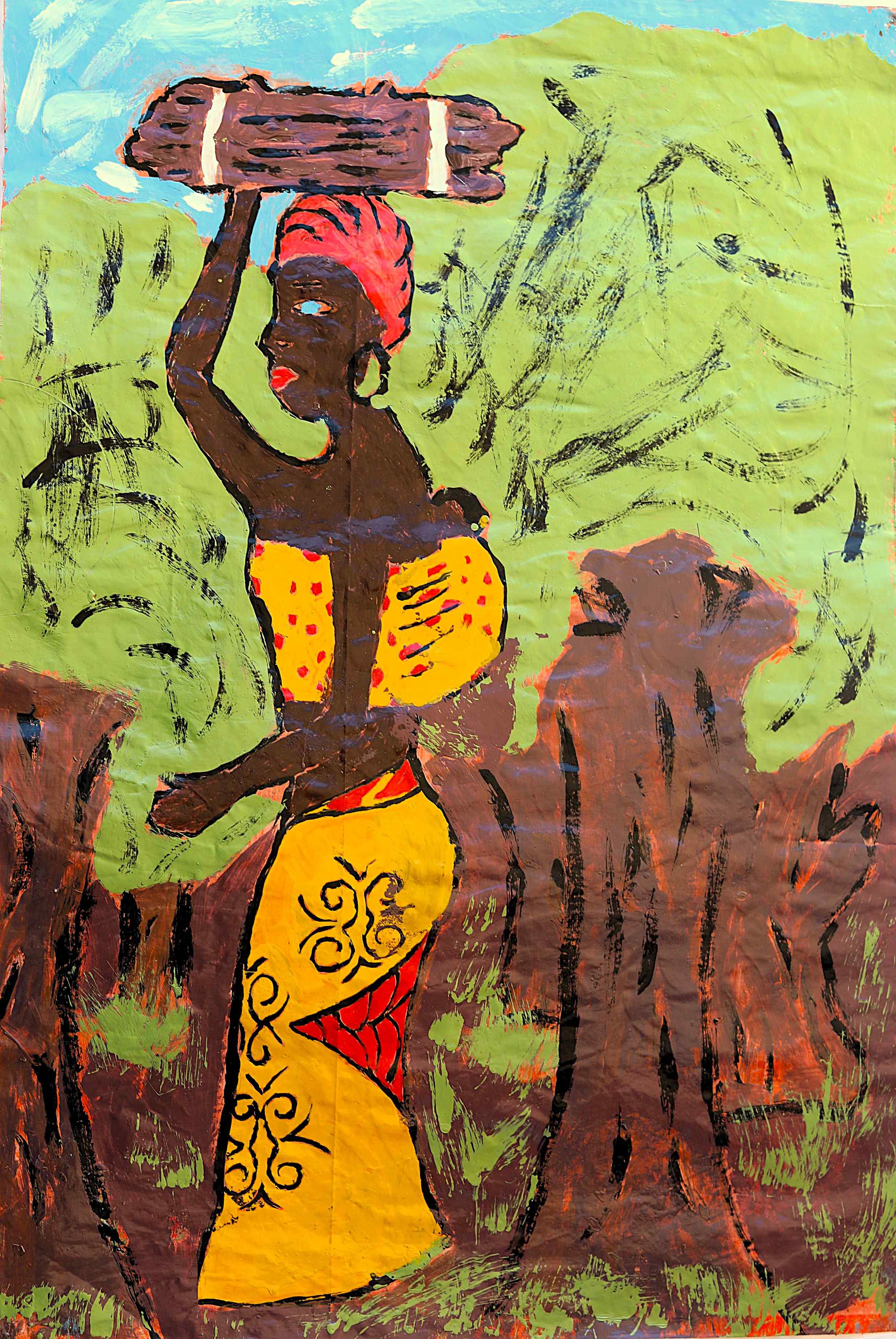
In his batik It depicts a woman carrying firewood with a child on her back. The image encapsulates a life marked by constant work and single motherhood. The piece visually captures the intersection of widowhood, family dependence, and the excessive workload placed on women.
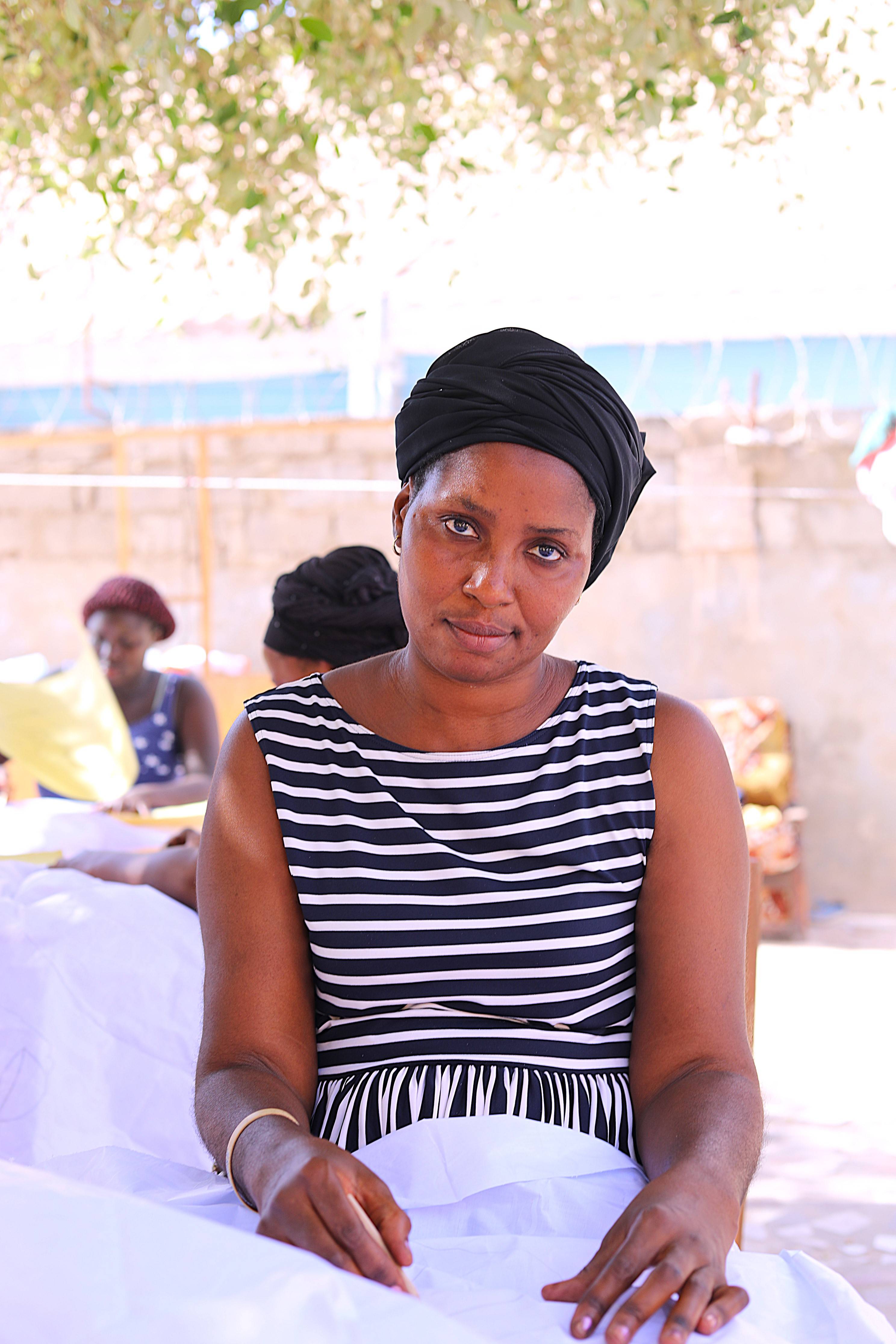
Jainaba Sarjo’s experience illustrates how being an orphan and the fragility of family networks can heighten girls“ vulnerability in contexts of structural inequality. Jainaba lost her mother at age three and was taken by her stepmother from Senegal to The Gambia to live with her maternal family. Starting at age six, she took on grueling domestic chores that included carrying water, working at the market, and doing household tasks. At age eight, after being beaten by her aunt, she was taken to the clinic at a nearby school; there, the principal intervened and agreed to keep the incident quiet in exchange for allowing her to attend classes, offering financial support for her education. Enrolling in school represented a partial interruption of the cycle of domestic violence, but it did not transform the structural conditions in which she lived. When the scholarship ended and without institutional support, she was once again considered a burden on the family and given in an early marriage. Pregnancy and forced sexual relations marked the continuation of violence that never ceased. ”I just told her I’d fallen; she was my aunt… my only family” (J. Sarjo, personal communication, June 10, 2023), she recounted, recalling the assault that first brought her situation to light.
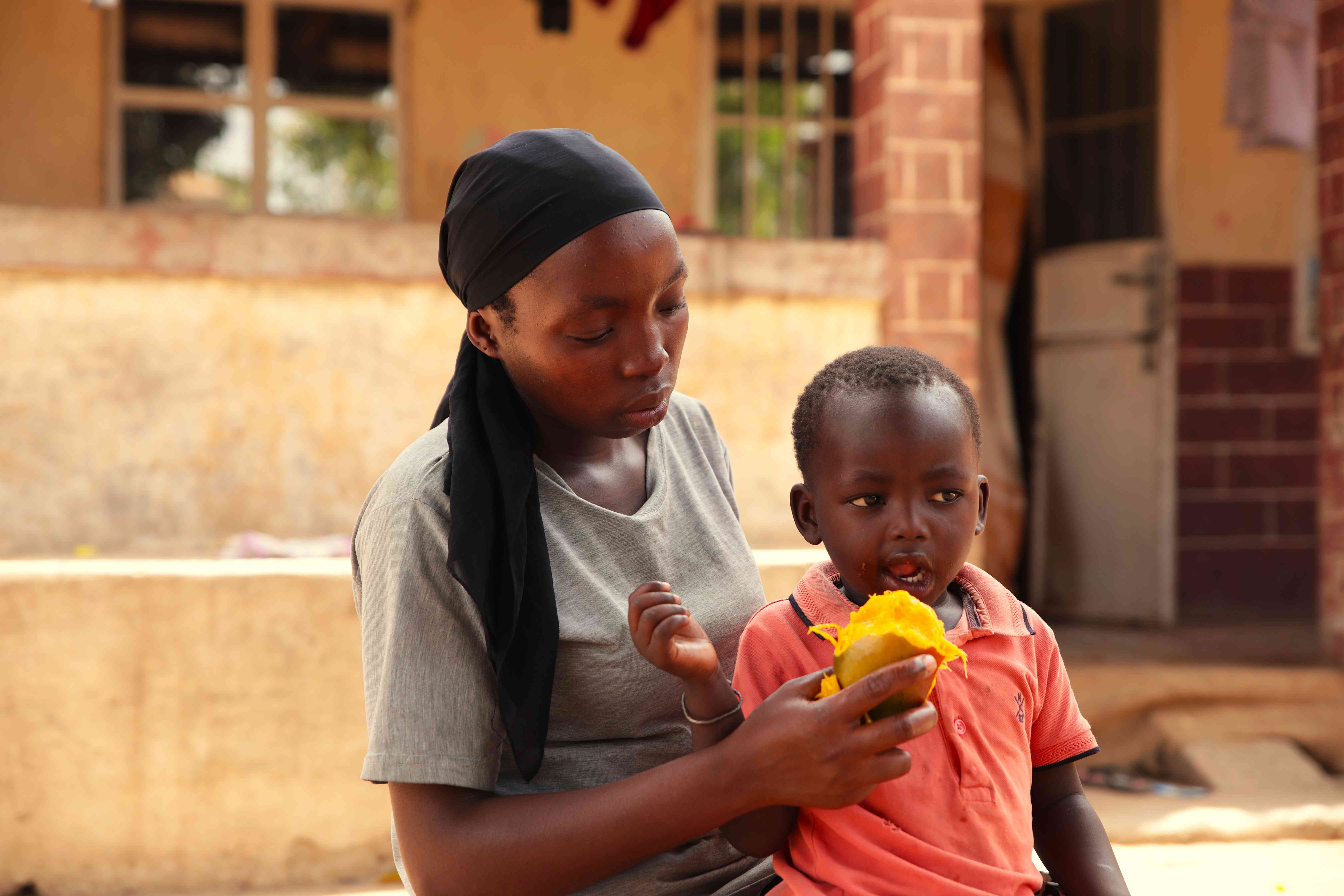
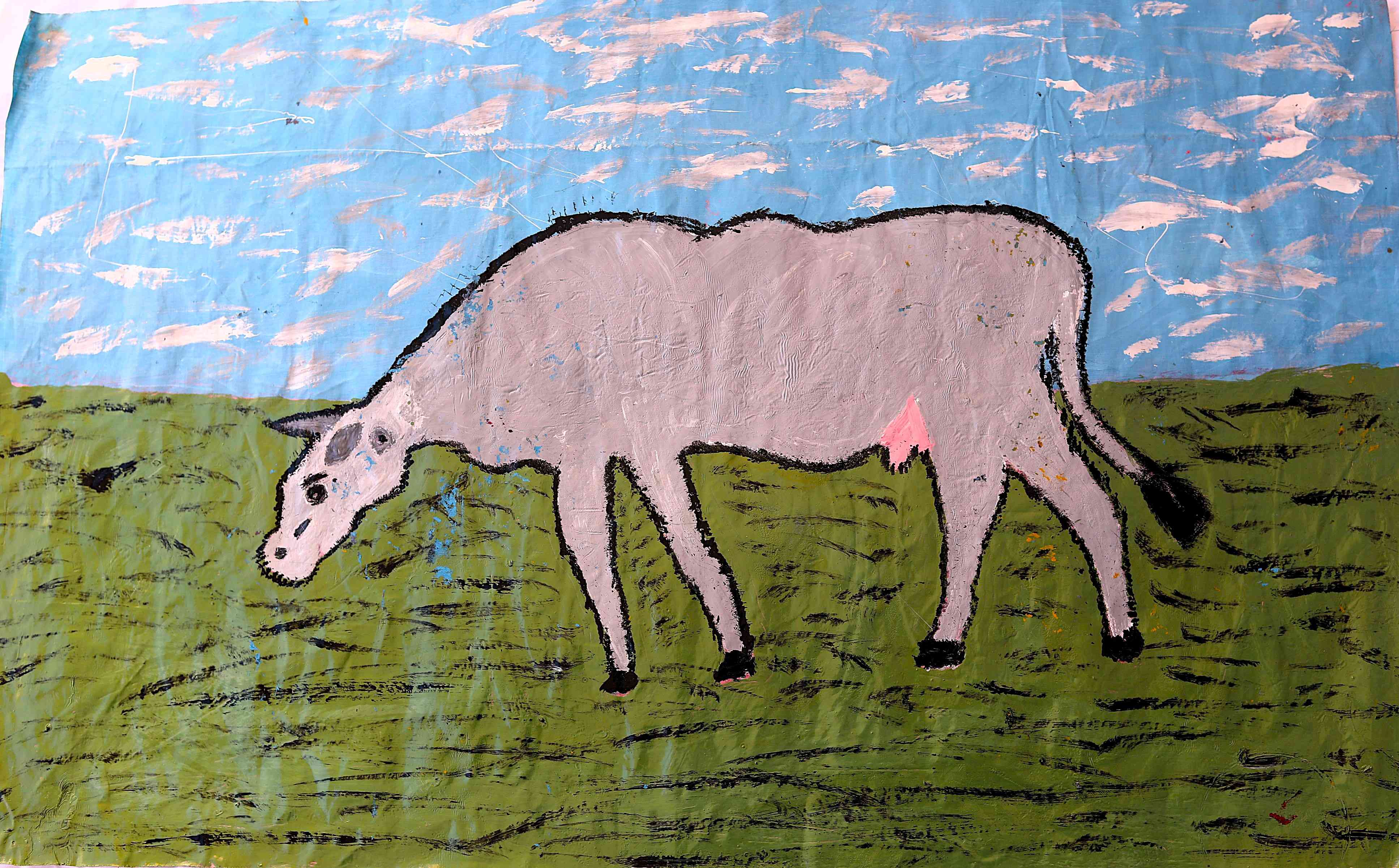
In his batik She painted a cow, a symbol of one of the few fond memories from her childhood with her mother. The image does not represent the violence she experienced, but rather the emotional anchor that allowed her to sustain her own motherhood amid precarious circumstances. The piece encapsulates the tension between a momentary interruption of harm and the structural reproduction of inequality.
Work overload is another central theme in the trajectories analyzed. In the Gambian context, economic insecurity drives many women toward informal subsistence activities that overlap with unpaid domestic work. This double shift—productive and reproductive—takes place under conditions of limited male involvement in household responsibilities and places women in a cycle of continuous work that limits their economic and temporal autonomy. Jankey Malou’s experience fits within this framework.
Jankey is the mother of five children; she was abandoned by her husband and remains at the compound extended family (a large residential unit organized around the male lineage) without stable financial support or a clear path to independence. Her membership in another tribe became a source of stigmatization within her in-law family, reinforcing her subordinate position in a setting where access to resources and decision-making is mediated by male and lineage-based hierarchies. In the absence of support, she provides for her children through constant informal work, which overlaps with domestic care and the day-to-day management of the household. “No one marries a woman with so many children” (J. Malou, personal communication, June 24, 2023), she stated, referring to the social constraints that limit her future.
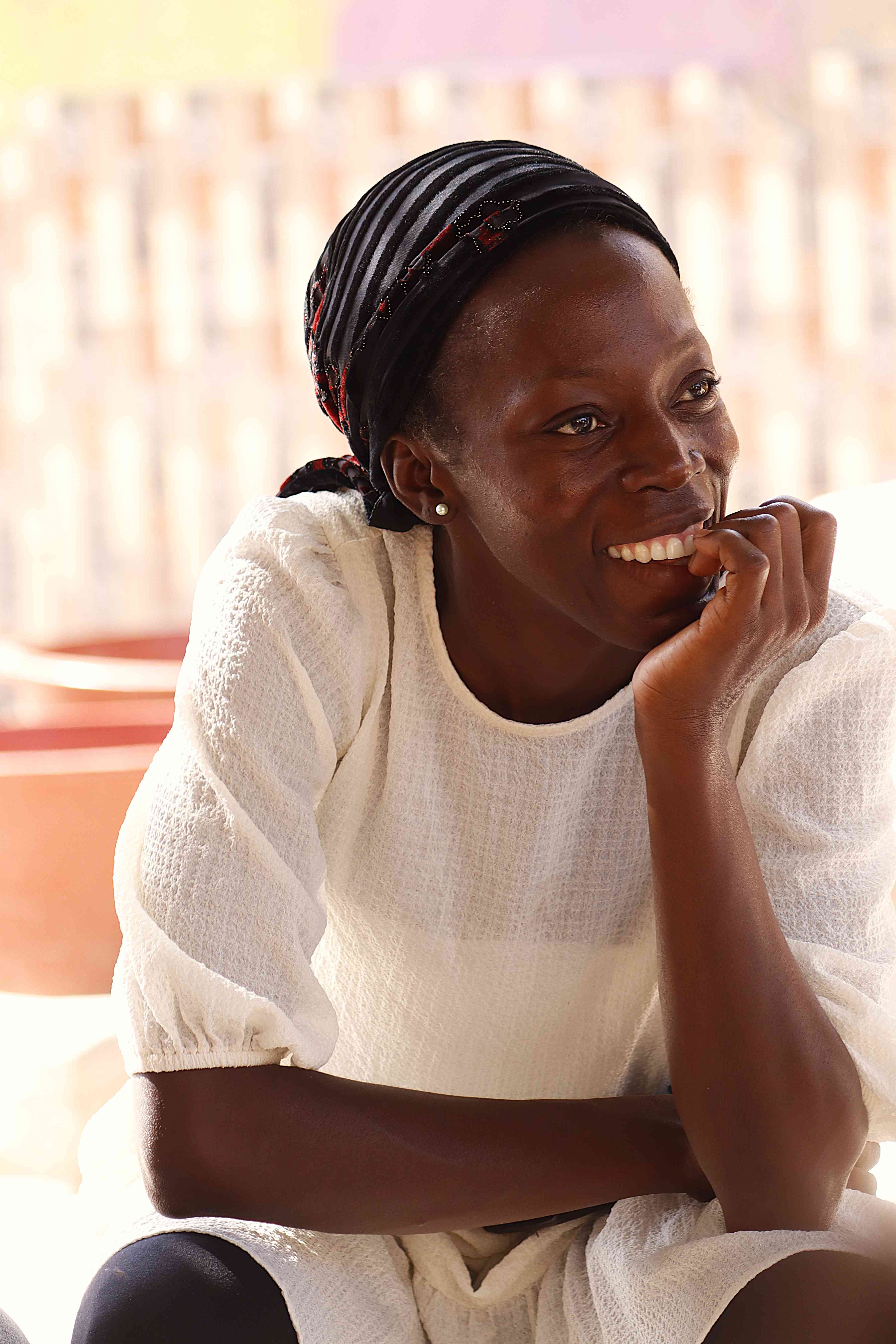
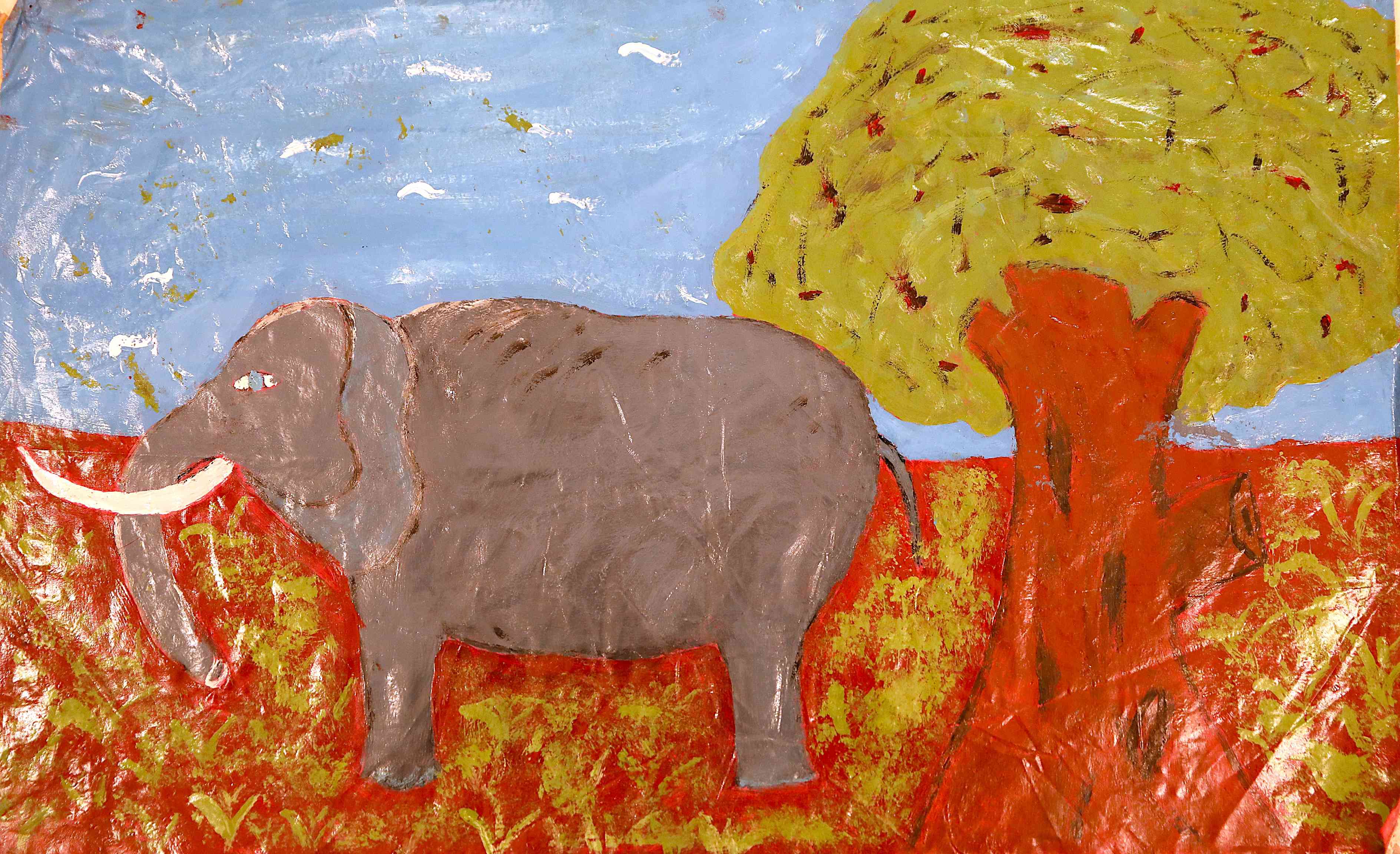
In his batik He drew an elephant—a reminder of the landscapes of his childhood and a metaphor for resilience. The figure conveys strength and continuity in the face of economic and symbolic exclusion, visually encapsulating the persistent burden that has marked his journey.
Results and Conclusions
The stories analyzed show that the life trajectories of the participating women cannot be understood solely through the lens of “gender,” but rather through the intersection of family structure, ethnic identity, economic precariousness, and religious regulations that shape their daily lives. The stories of Mariama, Zinta, Maimuna, Jainaba, and Jankey illustrate how the mandate of silence, arranged marriage, institutional fragility, and excessive workloads shape persistent forms of inequality that are reproduced across generations.
However, these trajectories do not end with victimization. The results indicate that subsistence strategies, support networks among women, and the pursuit of economic autonomy constitute situated forms of agency. Income generation and family support emerge as central priorities, rather than the immediate occupation of formal spaces of power. In this sense, empowerment takes shape as a gradual process, linked to the ability to make decisions, work, and support others.
The practice of batik It served as a symbolic and material medium that made it possible to articulate memory, experience, and future aspirations. Rather than bringing about immediate structural change, the workshop created a space for expression where participants could reorganize their narratives and translate into images what, in many cases, had remained unspoken. The audiovisual dimension complemented this process by capturing gestures, pauses, and inflections that deepen our understanding of the narratives.
This study does not seek to generalize about “African women,” but rather to situate itself within a specific context: that of Lamin, The Gambia. Within this framework, the research underscores the importance of methodological approaches that recognize local knowledge and clearly define the scope of academic support. The inclusion of these voices does not constitute a comprehensive representation, but rather a situated contribution to the debates on gender, coloniality, and the production of knowledge in contexts of the Global South.
Bibliography
Arias-López, Beatriz Elena (2015). “Vida cotidiana y conflicto armado en Colombia: los aportes de la experiencia campesina para un cuidado creativo”, Aquichan, vol. 15, núm. 2, pp. 239-252. https://doi.org/10.5294/aqui.2015.15.2.8
— (2017). Entre-tejidos y redes: recursos estratégicos de cuidado de la vida y promoción de la salud mental en contextos de sufrimiento social, Prospectiva. Revista de Trabajo Social e Intervención Social, núm. 23, pp. 51-72. https://doi.org/10.25100/prts.v0i23.4586
Barone, Tom y Elliot W. Eisner (2012). Arts Based Research. Thousand Oaks: Sage Publications.
Crenshaw, Kimberlé Williams (1991). “Mapping the Margins: Intersectionality, Identity Politics, and Violence against Women of Color”, Stanford Law Review, vol. 43, núm. 6, pp. 1241-1299.
Haraway, Donna Jeanne (1988). “Situated Knowledges: The Science Question in Feminism and the Privilege of Partial Perspective”, Feminist Studies, vol. 14, núm. 3, pp. 575-599. https://doi.org/10.2307/3178066
Kabeer, Naila (1999). “Resources, Agency, Achievements: Reflections on the Measurement of Women’s Empowerment”, Development and Change, vol. 30, núm. 3, pp. 435-464.
Kaltmeier, Olaf y Sarah Corona Berkin (2012). En diálogo: metodologías horizontales en ciencias sociales. Barcelona: Gedisa.
Malchiodi, Cathy A. (2003). Handbook of Art Therapy. Nueva York: Guilford Press.
Mohanty, Chandra Talpade (2003). Feminism without Borders: Decolonizing Theory, Practicing Solidarity. Durham: Duke University Press.
Nash, Mary (2004a). Mujeres en el mundo: historia, retos y movimientos. Barcelona: Alianza Editorial.
— (2004b). “Repensar las representaciones mediáticas de las mujeres migrantes”, Quaderns de la Mediterrània, núm. 7, pp. 59-62.
Oyěwùmí, Oyèrónkẹ́ (1997). The Invention of Women: Making an African Sense of Western Gender Discourses. Minneapolis: University of Minnesota Press.
Programa de las Naciones Unidas para el Desarrollo (pnud). (2022). Informe sobre desarrollo humano 2021/2022: Tiempos inciertos, vidas inestables. Configurar nuestro futuro en un mundo en transformación. https://hdr.undp.org
Sastre-Díaz, Camila Fernanda (2011). “Reflexiones sobre la politización de las arpilleristas chilenas (1973-1990)”, Sociedad & Equidad, núm. 2, pp. 364-377. Santiago: Universidad de Chile.
Spivak, Gayatri Chakravorty (1988). “Can the Subaltern Speak?”, en Cary Nelson y Lawrence Grossberg (eds.). Marxism and the Interpretation of Culture. Urbana-Chicago: University of Illinois Press, pp. 271-313.
The dhs Program (2019). Gambia Demographic and Health Survey 2019-20: Female Genital Mutilation/Cutting Data. https://dhsprogram.com/pubs/pdf/DM180/DM180.pdf
Martha Ileana Landeros Casillas She is a professor at the University of Guadalajara, University Center for Social Sciences and Humanities, Department of Socio-Urban Studies. She holds two doctorates: one in Migration Studies (UJAEN) and one in Visual Arts and Education from the University of Granada. She has graduate-level training in visual arts, contemporary art practices, and communication. She is a PRODEP-designated researcher and a member of the National System of Researchers (SNII, Level I). Her work combines audiovisual creation, artistic methodologies, and migration studies, with an emphasis on horizontal approaches and international cooperation. She is a filmmaker and documentary maker and has worked with women in different parts of the world. She has received recognition from the Sahrawi Embassy in Mexico, Slava Ukraini, and the University of Jaén for her audiovisual work and social commitment. martha.landeros7089@academicos.udg.mx
Institutions



 EN
EN  ES
ES  FR
FR  PT
PT