
Last November, we announced the vii Photographic Contest of the Encartes to reflect on the relationships between image, power and resistance. The invitation arose from an urgent and fundamental concern: how to interfere in the visual saturation and the vertiginous circulation of violent images that, in some way, colonize our everyday life and our imagination. We live in an era in which images circulate with overwhelming intensity. Far from guaranteeing, by themselves, a broader understanding of the world, their proliferation often produces the opposite effect: saturation, perceptual fatigue, affective dispersion and inability to understand what we see.
The so-called post-truth does not only consist of certain power groups lying or manipulating; nor does it mean that some media exclude or hide; nor, even more, that as individuals we prefer to look only at what confirms our prejudices. Carlos Bravo Regidor maintains -and we agree with him- that what is at stake is a crisis of truth in a context in which technological changes, marked by the accelerated immediacy of information and overwhelming saturation, as well as social changes, characterized by the proliferation of hatred, fear, the radicalization of authoritarianism and the loss of confidence in institutions, make it more difficult for us to understand what we see and what this produces in us.
Violence has become one of the privileged objects of this visual economy. It is shown, repeated and distributed until it becomes a constant presence in the media landscape. But this presence does not necessarily equate to a deep understanding of its causes, its plots or its effects. Often, the abundance of images of pain ends up emptying them of their historical and political depth. This is when it is appropriate to speak of regimes of visibility. Every culture organizes the visible and the invisible, hierarchizes what deserves attention and manages the distances between closeness and remoteness that we establish with what is looked at. It also constructs frameworks of intelligibility from which certain lives, as Judith Butler has argued, appear worthy of mourning, care or memory, while others are relegated to the background noise. A regime of visibility does not only refer to a set of images, but to a distribution of visuality: a sensitive pedagogy that models what we can perceive and also how we should interpret what we see and what affections are legitimate in the face of it. In this sense, images go beyond representing the world: they actively participate in its ordering.
From this perspective, following Georges Didi-Huberman, we can distinguish between images of power and images of potency. The former is not only the image produced by the State, by the media or by a dominant institution; it is, more broadly, that image that closes the field of meaning, fixes a reading and captures attention within a given framework. It is an image that extracts from the scene its complexity and, in doing so, normalizes a docile relationship with violence. The image of power does not necessarily conceal; it often exhibits. Its operation does not consist in censuring, but also in exposing in order to impose a way of seeing in which commotion replaces comprehension and understanding. shock displaces the reflection.
On the contrary, an image of power interrupts the usual forms of representation. It is an image that opens a pause in visual inertia, forces us to look in a different way and restores an ethical, affective and historical density to the experience. It is not a question of “beautiful” images, but of images capable of disrupting the grammar of what I have named, the "beautiful". media siege; That is to say, a communicative operation that simplifies or consumes too quickly. They are images that do not exhaust their meaning in the immediate denunciation because they also work with the minimal gesture, the hint, the care, the daily life or the persistence of the common.
This point is decisive at a time marked by the crisis of truth. Not because we have simply entered a time of absolute falsehood, but because the very status of the image as proof has become unstable. Let us think, for example, of the fake news. Accelerated circulation, infinite editing, fragmentation of context and the competition for attention erode the confidence that seeing equals knowing. The truth of an image can no longer rest solely on its appearance of evidence. It requires mediations, historical inscription, reading frameworks and relations between the visible and the decipherable. In this scenario, the problem is not to discern whether an image is true or false, but to understand what regime of truth sustains its circulation, what interests it organizes, what world it confirms and what forms of sensibility it produces.
The spectacularization of violence is inscribed precisely in this terrain. When horror becomes a spectacle, the image ceases to be a space for elaboration and becomes an affective commodity: it captures attention, intensifies the impact, but impoverishes the experience. The result, it seems to me, is a double movement: on the one hand, repetition anesthetizes; on the other, spectacularity immobilizes. We see a lot, but we understand little. We feel a momentary shock, although it does not necessarily activate a more complex relationship with memory, responsibility or action.
Thus, we can understand the media siege as a way of besieging perception, since it operates not only by silencing, but also by directing, saturating, reiterating and administering sensibility. The siege organizes the conditions in which the visible appears already captured by a dominant grammar. With this regime, violence ceases to appear as a field of forces -as proposed by Martin Jay-, that is, as a set of historical processes and forms that demand reading, positioning and critical work of the gaze. Hence, dismantling the media siege does not consist simply in “showing other images”, but in altering the grammar from which we look at horror. In this sense, politicizing the gaze implies shifting it from the consumption of scenes to the interrogation of their conditions of appearance. It implies asking what remains outside the frame, what lives do not achieve visibility, what forms of presence survive in the margins and what gestures, objects, landscapes or links can disarticulate the dominant grammar of horror.
This is precisely where the photographic competition organized by Encartes. We received 90 photographs. The call asked for images that did not reproduce suffering in a crude manner, but that explored ways of looking from resistance, care, memory and daily life. It also sought photographs capable of questioning the limits of the visible and of restoring to the image its power of invention, memory and persistence. More than assembling a thematic repertoire, what was at stake here was a dispute over the gaze itself: a search for images that would resist spectacularization, trivialization or the reproduction of social hierarchies without questioning them.
From this perspective, the finalist photographs can be read both for what they show and for the operation of countervisuality they perform. The question is not only what they represent, but in what way they displace the field of what is given as legitimate, what relation they establish with fragility or persistence, and how they produce an experience of gaze that, instead of reiterating the media fence, opens a crack in it. Against this backdrop, the corpus of the contest can be understood as a heterogeneous set of attempts to restore to the image a capacity to think, to affect and politicize sensibility without falling into the reproduction of the spectacle of violence.
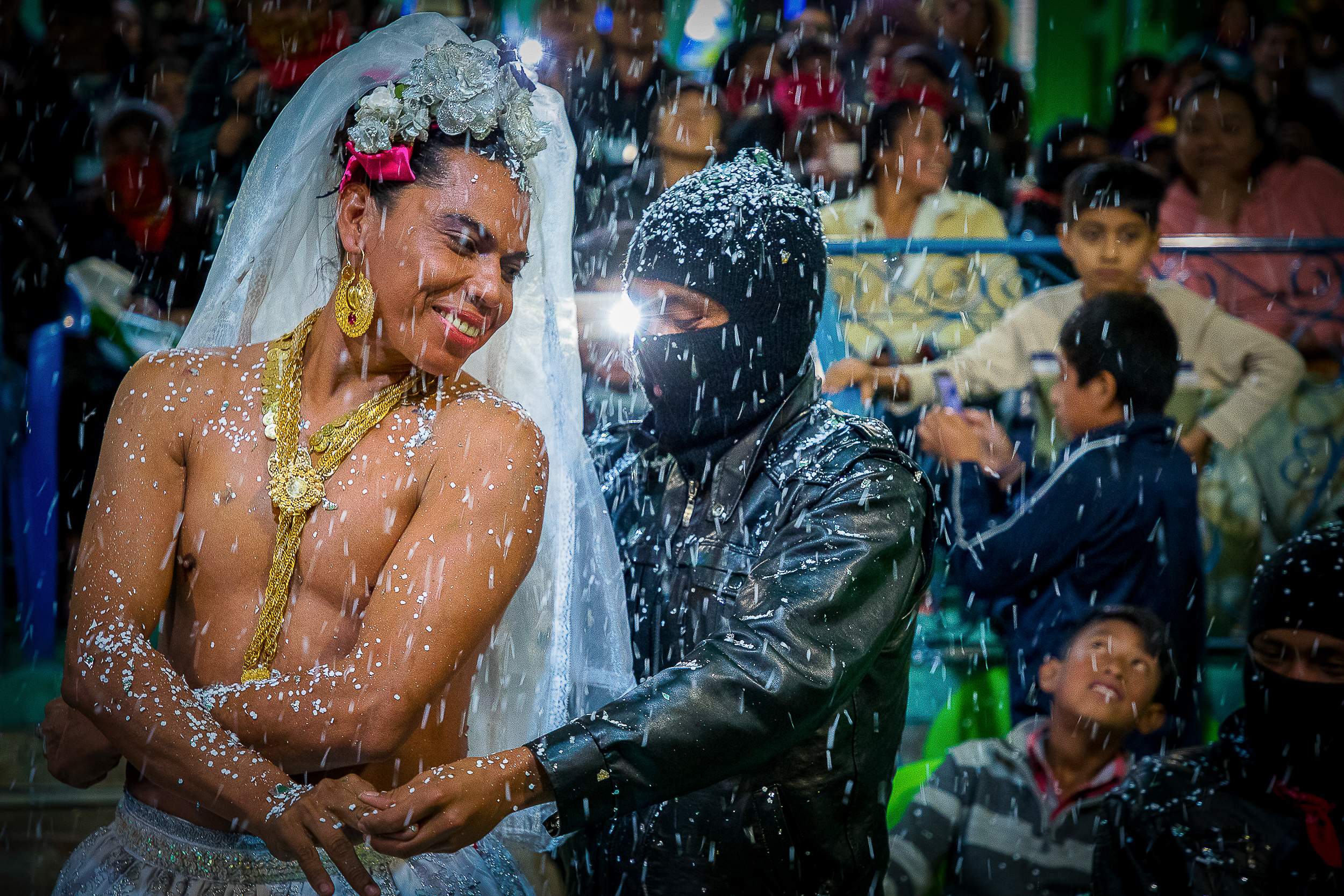
Requiem for autonomy, by Francisco de Parres, is a photograph showing two bodies dancing. One corresponds to Lukas Avendaño, performer muxe; the other, a member of the Zapatista community. The scene plays with the ambiguity and tension between the hegemonic regimes that regulate bodies and their relations with sexodisidences. It overflows with irony, pleasure and performativity. To one side, a hooded figure, dressed in black, seems to accompany or lead the scene. The photograph works with an extraordinary tension between spectacle, ritual, desire, threat and community. Its power lies in the fact that it dismantles a linear reading. It does not allow itself to be reduced either to the document of a popular celebration or to a univocal denunciation. Rather, it produces a scene in which the festive archive, the theatricality of the genre, the masquerade, violence and political resistance rub up against each other without being completely resolved. That irresolution is one of its greatest virtues. Instead of delivering to the spectator a closed certainty, it forces him to remain in the discomfort of a scene in which joy and threat coexist. The image does not show horror; it exhibits something more complex: the fragility of an incarnated freedom that can only be affirmed by traversing the outdoors.
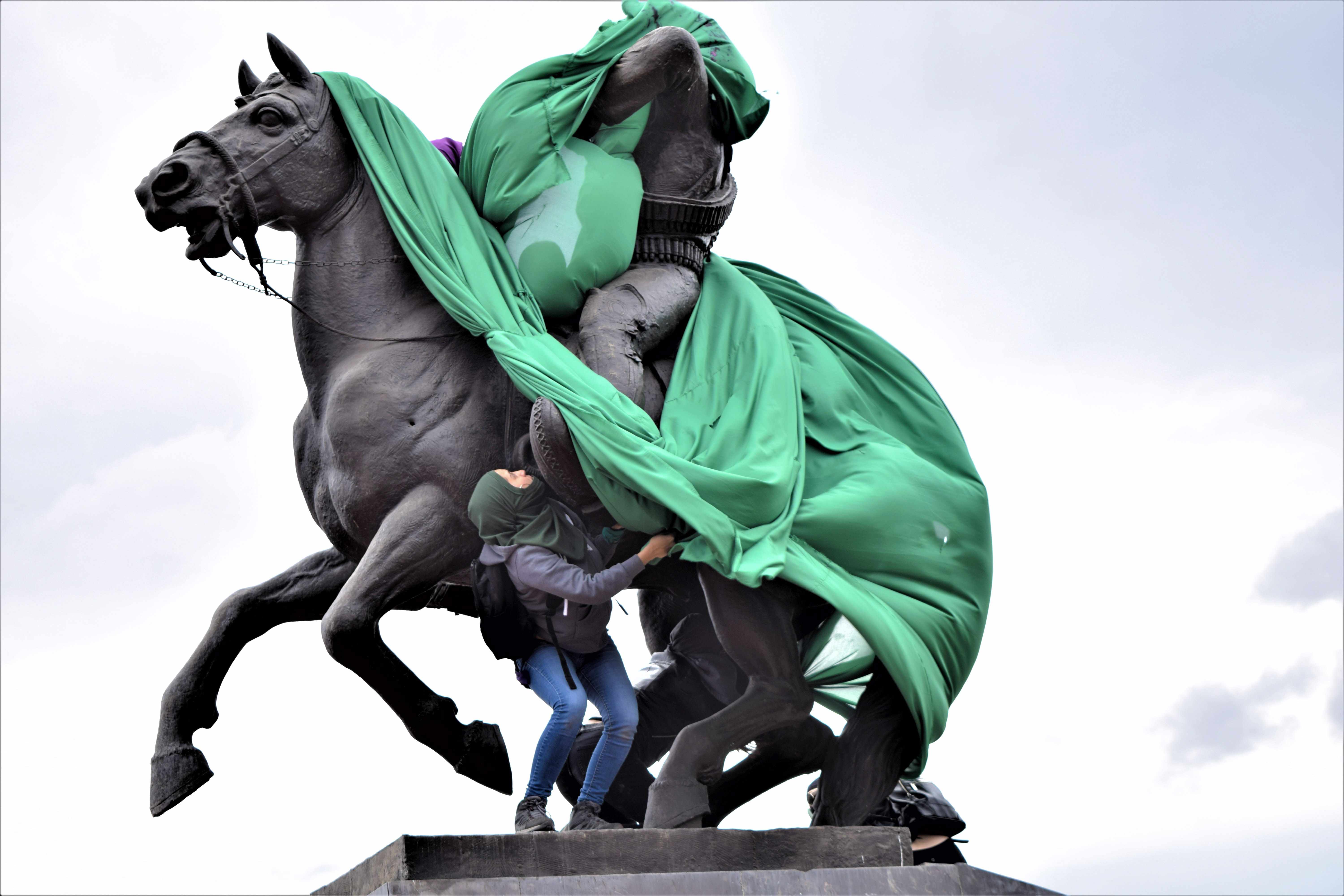
Green tide, by Doménica Salas, works from another visual logic: not saturation, but symbolic condensation. We see an equestrian monument intervened by huge green fabrics that wrap and overflow the body of the rider and part of the horse. At the base, almost tiny compared to the sculptural mass, a scaled person adjusts or holds the cloth. The contrast between the monumentality of the sculpture, the fragility of the intervening body and the mobility of the textile generates an image of enormous political precision. Here the dispute over visuality appears as an act of deconsumentalization. The statue represents official history, patriarchal sovereignty and the monumental permanence of power in public space. It is a figure of Francisco Villa. The green cloth -unequivocally associated with feminist and pro-choice struggles in Latin America- does not destroy the monument, but it does disarrange it, rewrite it and profane it in the best sense: it takes away its pretended historical neutrality. The image captures the instant in which a sedimented symbol of power is covered by another sign, mobile, soft, collective and contemporary. This cloth goes beyond covering: it displaces the meaning of the statue; it turns it into something else and forces it to speak from a new scene. In this gesture, the image makes visible one of the most relevant political operations of contemporary movements: to intervene the frames of memory and authority that organize the common space.
As part of the contest, Green tide stands out because it does not represent violence directly or reduce it to a scene of spectacular confrontation. Rather, its strength lies in showing how feminist intervention transforms public space by contesting the symbols of official history. Violence appears here not as a visible wound or as explicit devastation, but as patriarchal sedimentation in monumental memory, in legitimized narratives and in the forms of authority that occupy the city. That is why the power of the image is not limited to registering a protest action: it shows the precise gesture through which a collective body rewrites the meaning of a monument and tears it, even if only momentarily, from the grammar of power. Its strength lies in making visible that political transformation also occurs at the level of signs, memory and forms of appearing in common.
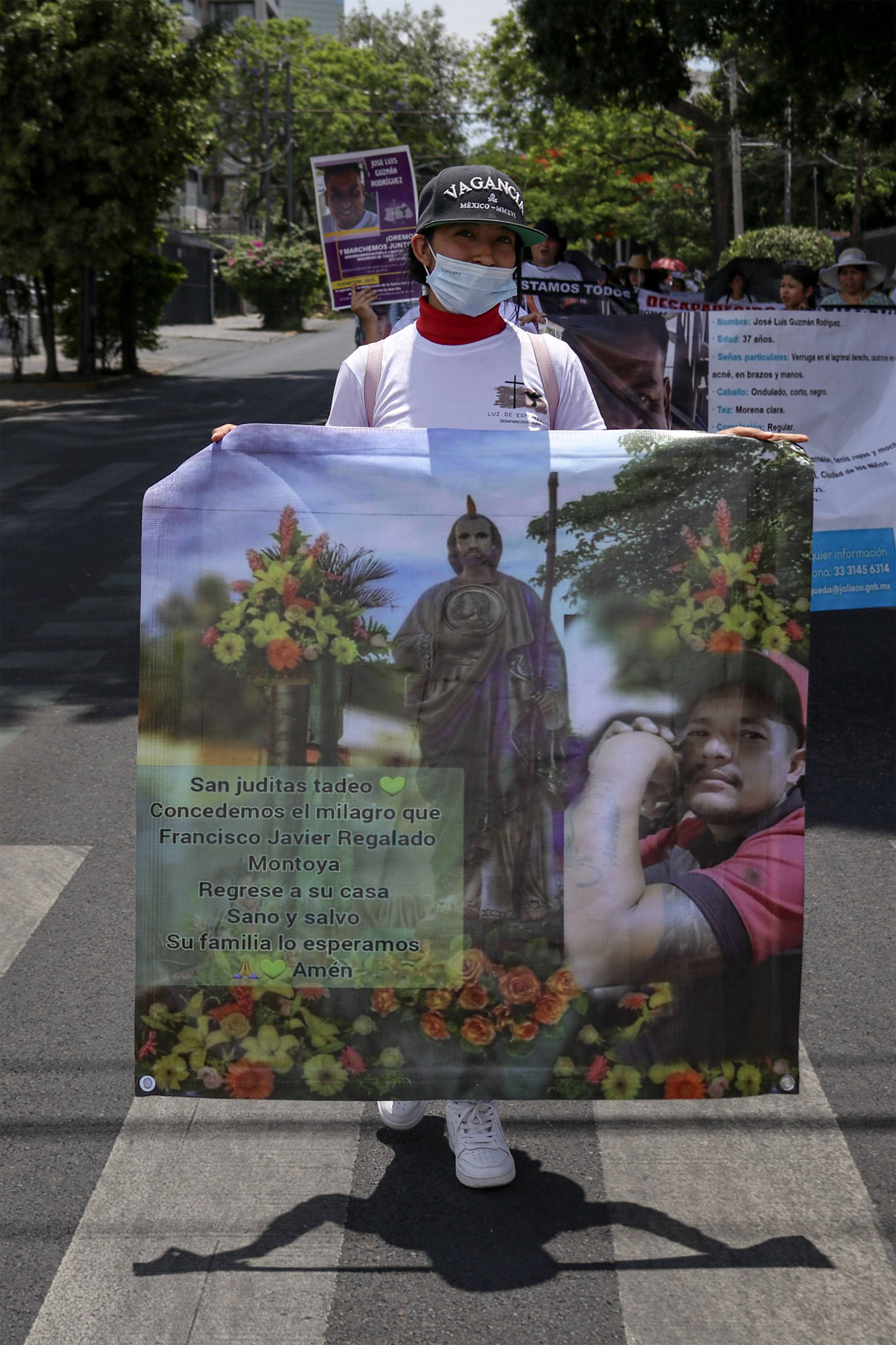
St. Jude and the crucifixion, by Ximena Torres, elaborates another register: that of the march, the search and the public persistence in the face of forced disappearance. In the center is a woman walking down the street wearing a mask, holding a large canvas on which are superimposed the religious image of St. Jude Thaddeus, flowers, a prayer and the portrait of an absent man. Behind, other search posters confirm that this is not an isolated case, but a collective plot of disappearance and the demand for his return. The composition brings together several visual languages at once: popular religiosity, print culture, street protest, family portrait and search document. The strength of this photograph lies in its capacity to condense the practice of the search: the mixture between prayer and denunciation, between faith and claim, between devotional image and political demand. The canvas functions as a portable altar, an affective archive and a banner. The image of St. Jude does not replace the absent person; it accompanies and sustains the act of searching for him. Thus, the photograph records a fundamental aspect in the contexts of disappearance in Mexico: the search is not only organized from the legal or institutional language, but also from moral, affective and spiritual economies that allow resisting abandonment.
Formally, the image is very eloquent because of its frontality. The woman's body is almost covered by the poster, which produces a very significant effect: she carries the image, but also becomes the support of that memory. Her walk embodies a form of active mourning, of incarnated denunciation. The shadow projected on the pavement intensifies that presence, as if the body were spreading on the ground another trace of the search. The image does not turn the pain into shock visual; it returns it as a sustained practice, as a march, as a public exhibition of the broken link. In doing so, it disarms the media fence that usually reserves attention for the most sensational moment of violence and leaves out the exhausting duration of the search. Here the political is not in the exceptional scene, but in the obstinate repetition of going out into the street with the name, the face and the hope of the return.
In the corpus as a whole, this image contributes a powerful ethical dimension: it reminds us that looking also implies accompanying the way in which an absence becomes a social presence through the bodies that carry it, name it and exhibit it. Its power lies in showing that the image, in contexts of disappearance, in addition to documenting a demand, can function as a support for memory, faith, community and the demand for justice.
This photographic contest managed to gather a network of images in which collective processes that rescue daily life in public spaces abandoned by institutions, but recovered through care and gestures of affection, are recognized. Other images accompany social rites against the backdrop of violence and its maelstrom; heterogeneous religiosities that sustain hope and grant protection; intimate approaches to accompaniment in processes of resistance.
Alina Peña
First place
Requiem for autonomy
Francisco De Parres Gómez
2019 - Chiapas
Lukas Avendaño (muxe) with a member of the Zapatista communities.
The scene tensions the hegemonic regimes of visibility by situating the body, memory and autonomy as an insurgent political landscape. The image disputes the right to appear. Performative gesture that resists erasure in a dance festival in Zapatista autonomous territory.
Second place
Green Tide
Doménica Salas Santos
2020 - Chihuhua, Chihuahua, Mexico.
The vilified statue of Pancho Villa was covered by the green tide during the March 8, 2020 march. The event symbolized the demand for abortion rights and women's free decision over their bodies.
Third place
St. Jude and the crucifixion
Ximena Torres
2023 - Guadalajara, Jalisco, Mexico.
Since 2023 Francisco Javier is one of the thousands of missing persons in Jalisco. In a march, the shadow of her relative and the tarp she carries reproduce the crucifixion of Jesus and emulate the pain of absence.
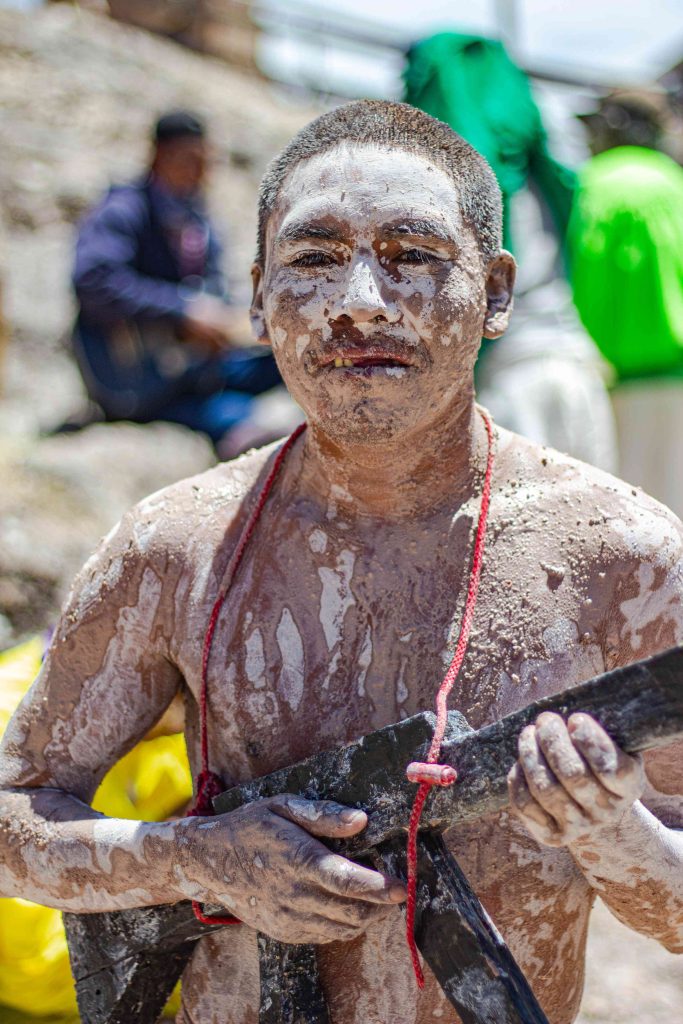
Man dressed as a representation of evil
Alejandro Cepeda
2022
Man paints his body with a white mud and a weapon made of wood to represent the evil in its actuality: the white man and the weapons that affect his territory.
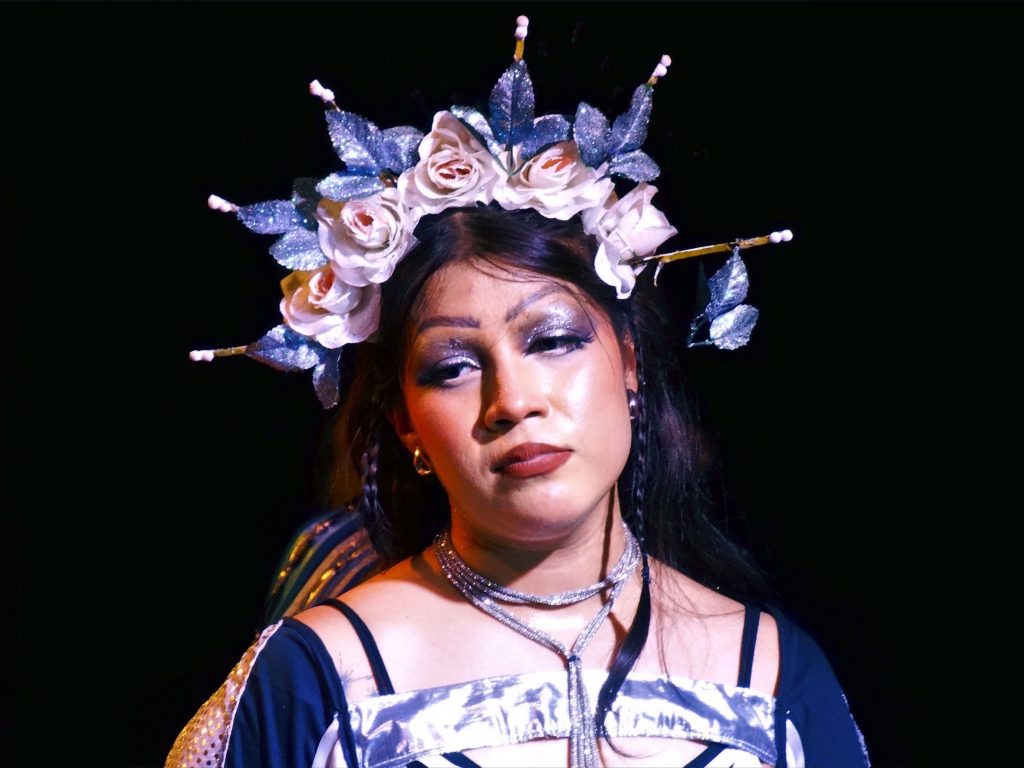
Crown for the invisible
Aurora Villalobos
2025 - ProyectoVeta Cultural Center, Morelia, Michoacán, Mexico.
Drag and the image rewrites the stigmatized body as a territory of sovereignty. The scene does not exhibit difference, but celebrates it as a living archive of queer resistance.
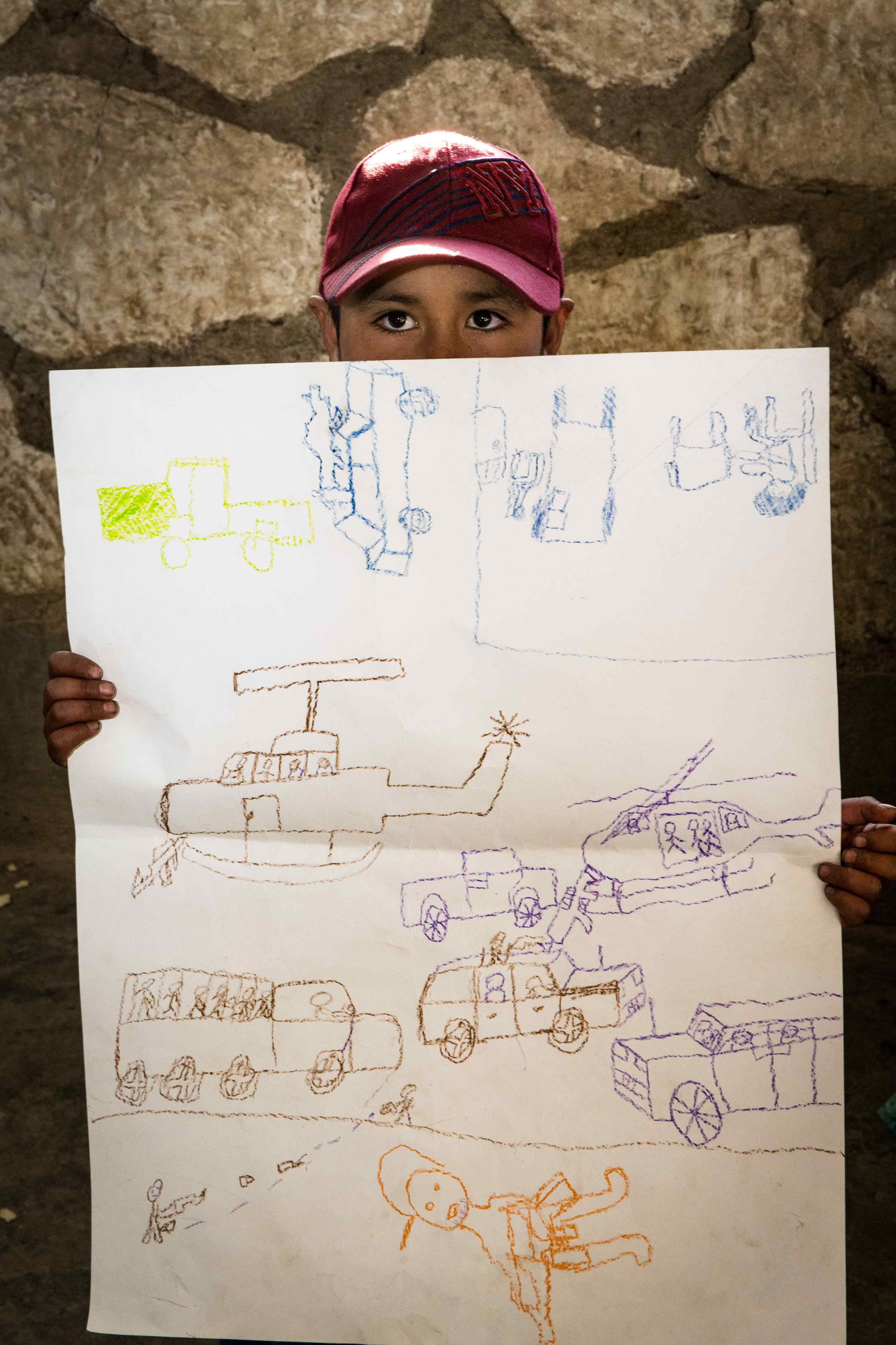
Workshop with children ódame de Baborigame
David Lauer
This image is part of a selection derived from my work over the years in Chihuahua accompanying Consultoría Técnica Comunitaria, A.C. and other human rights organizations, as well as personal projects related to the Sierra Tarahumara forest.
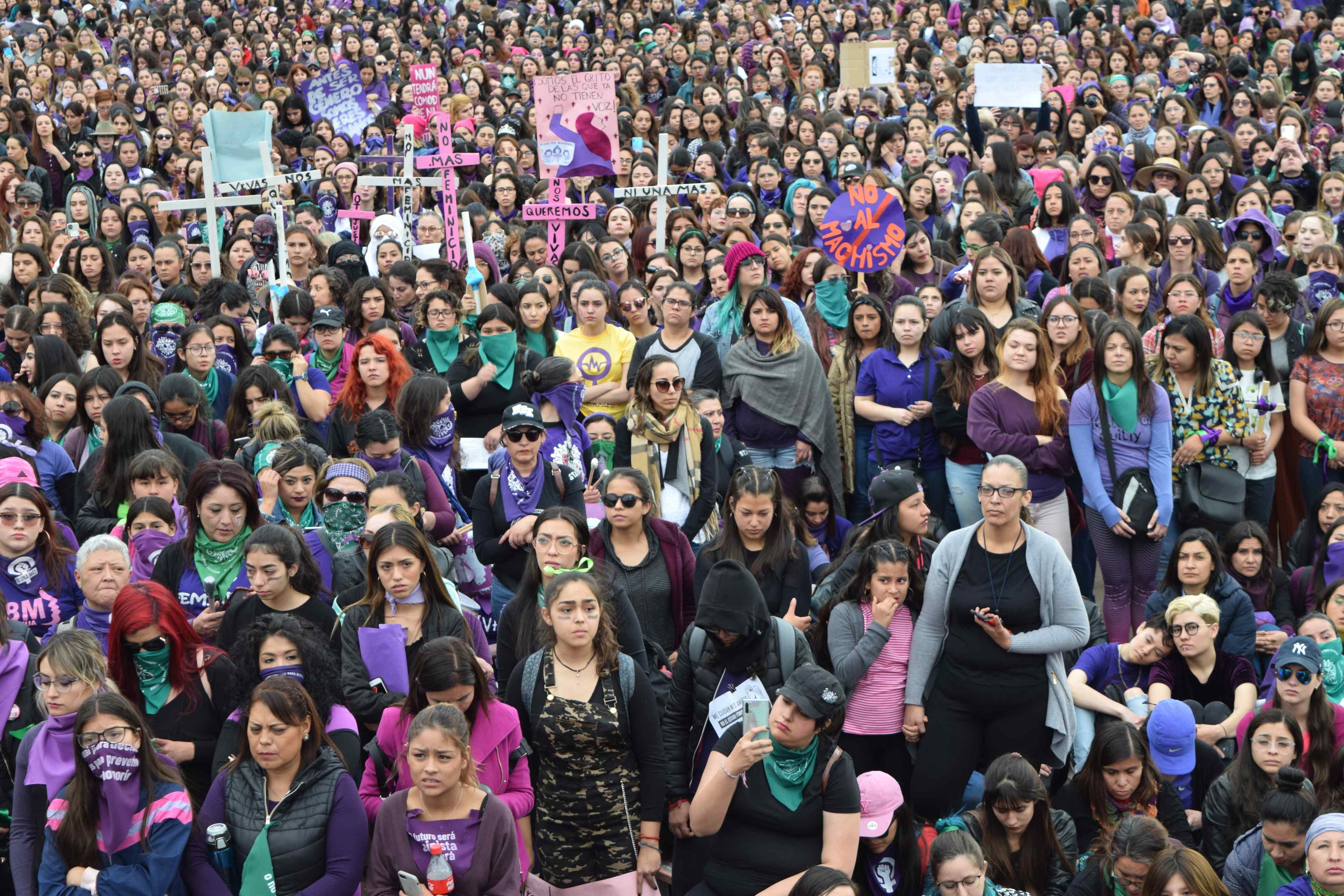
We are not one, we are not three, count us well...
Doménica Salas Santos
2020 - Chihuhua, Chihuahua, Mexico.
Thousands of women occupied the square, turning it into an echo of resistance. Their collective voice denounced the violence that for centuries has curtailed their rights and the free decision over their bodies.
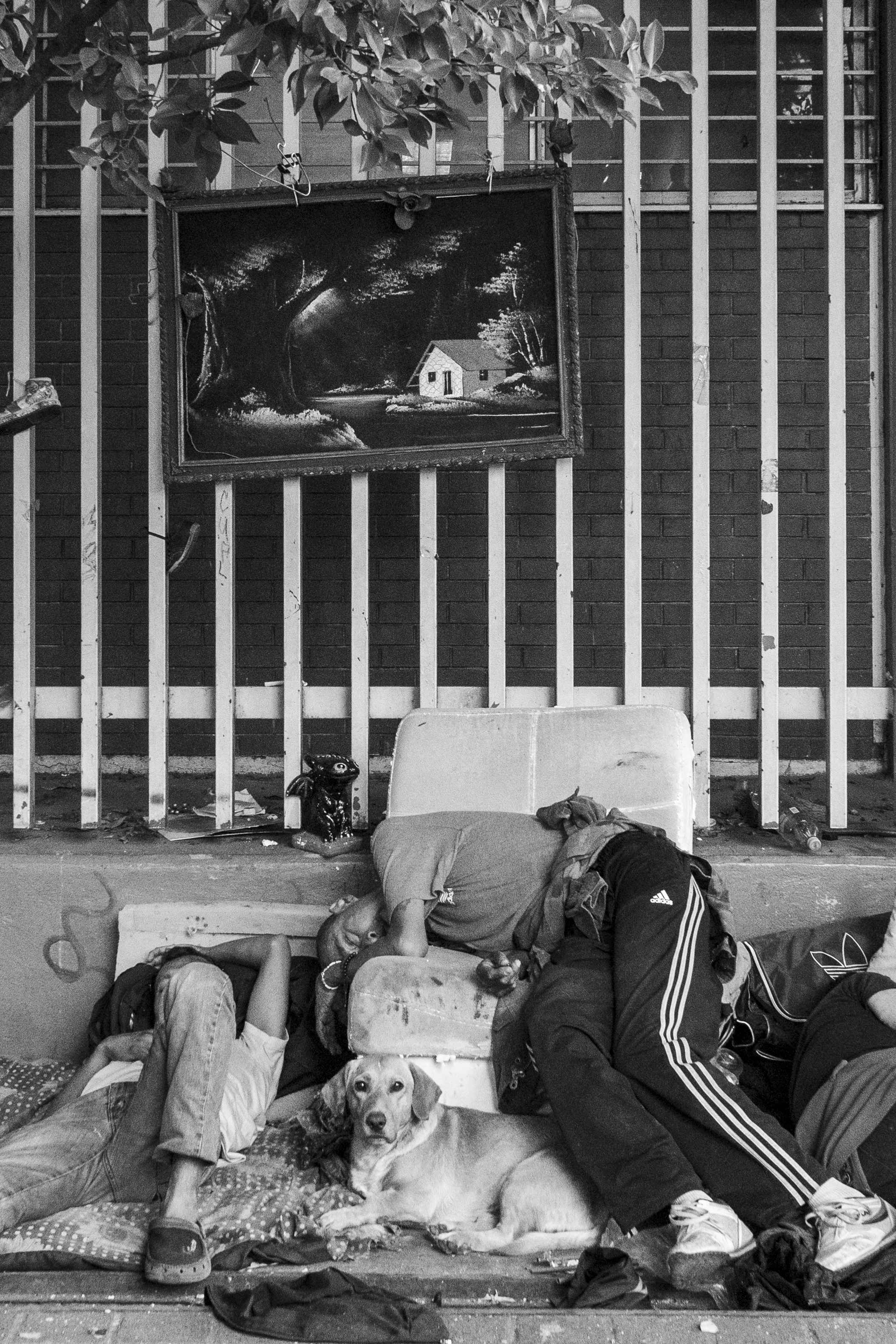
The Borrowed Landscape: The Construction of a Symbolic Home.
Eduardo Javier Badillo Lozada
2025 - Mexico City, Mexico.
This image challenges the conventional representation of social exclusion by focusing on the creation of a space of intimacy in the public. The painting hanging on the fence acts as a symbolic ‘window’ into an imagined home, a discreet form of resistance that attempts to rebuild a sense of belonging and dignity. The dog, in its vigil, personifies care and companionship, transforming a scene of lack into a testimony of companionship and affection.
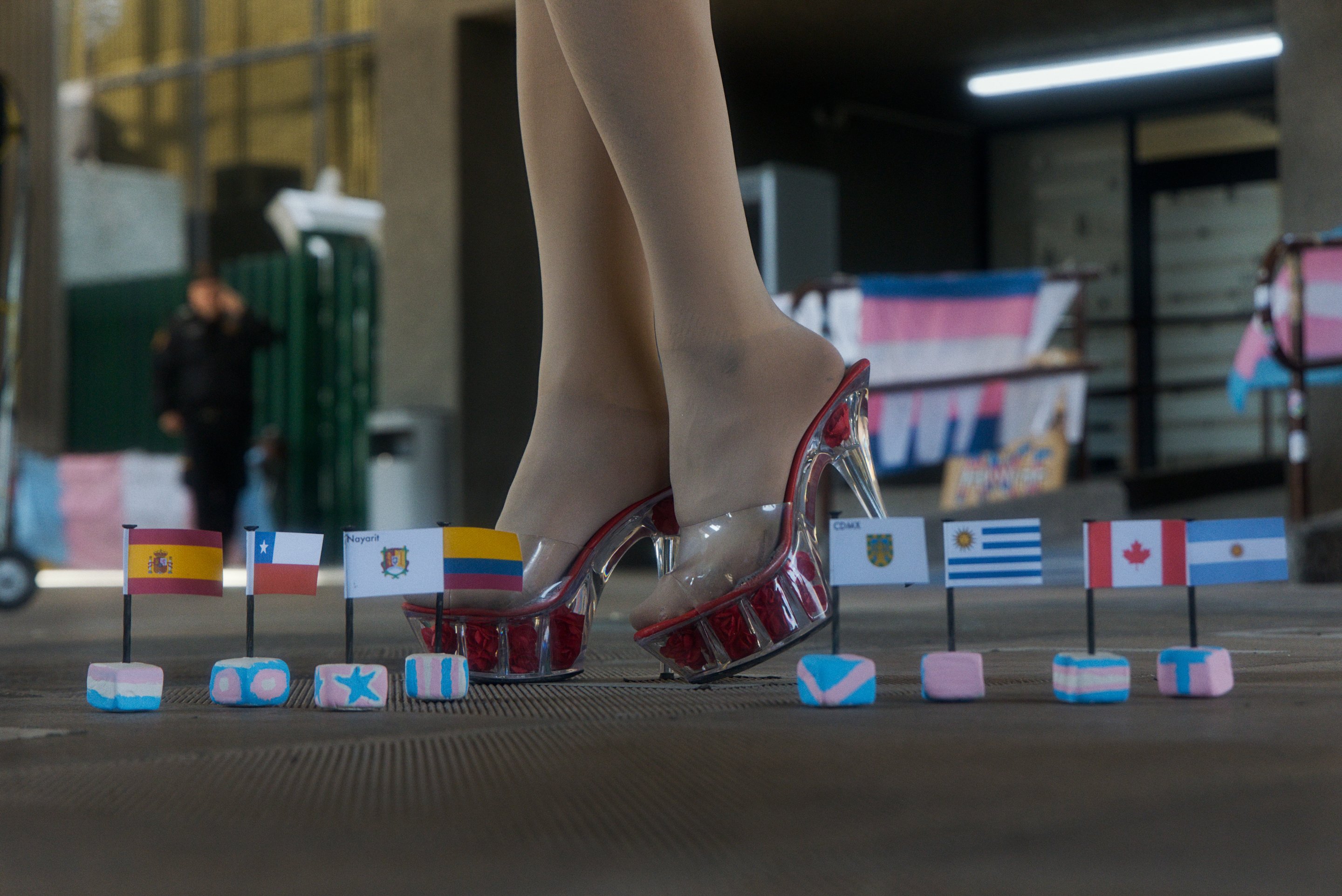
Sneakers
Fernando Dominguez
2026 - Congress of Nuevo León, Mexico.
In front of the Nuevo Leon Congress, banners with legal references to trans rights surround the sneakers of a member of the trans protest under police surveillance.
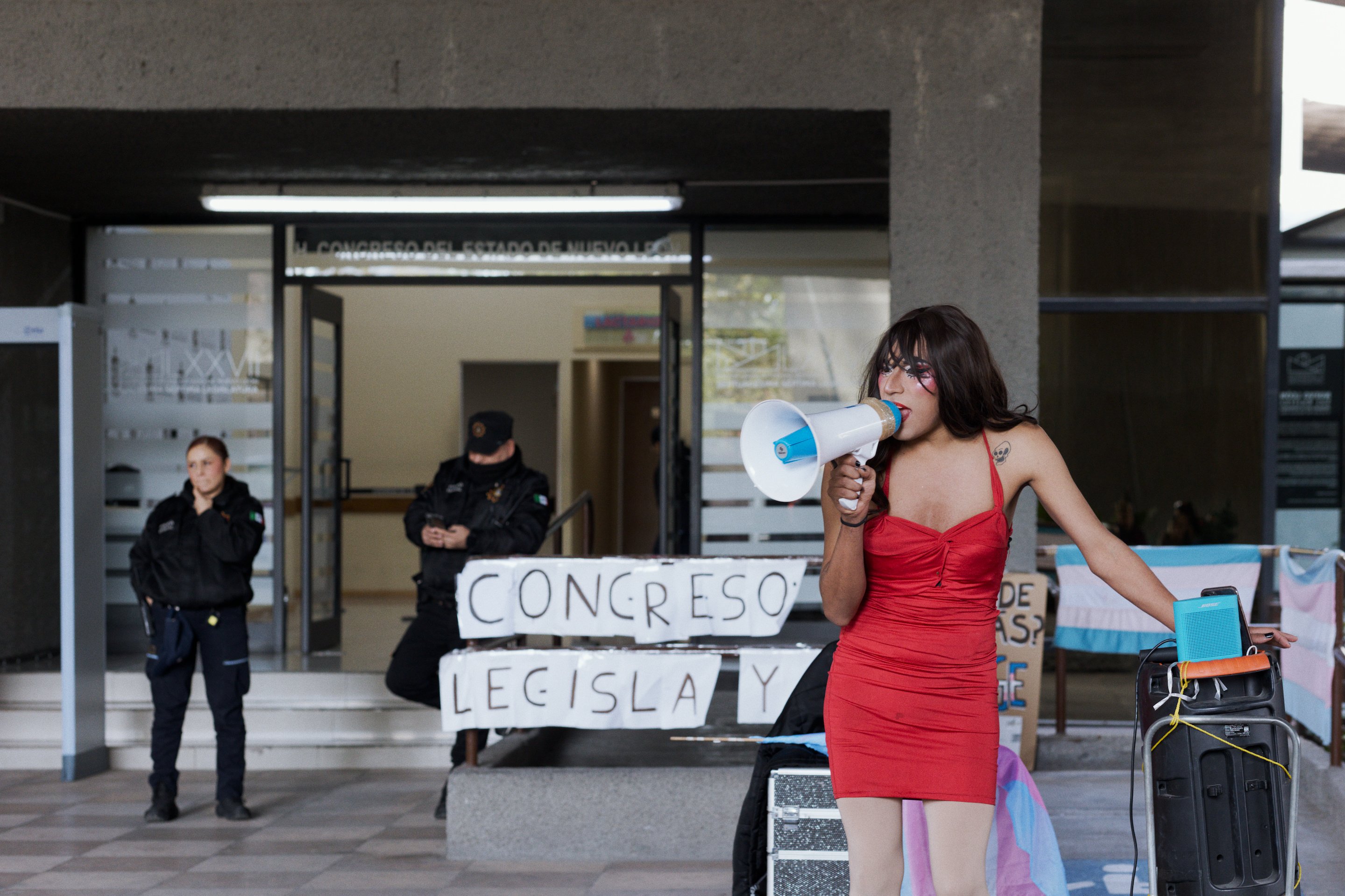
Sit-in activist
Fernando Dominguez
2026 - Congress of Nuevo León, Mexico.
At the access to the Nuevo León Congress, a trans activist from the trans sit-in uses a loudspeaker under police surveillance during the dialogue table on transfeminicide.
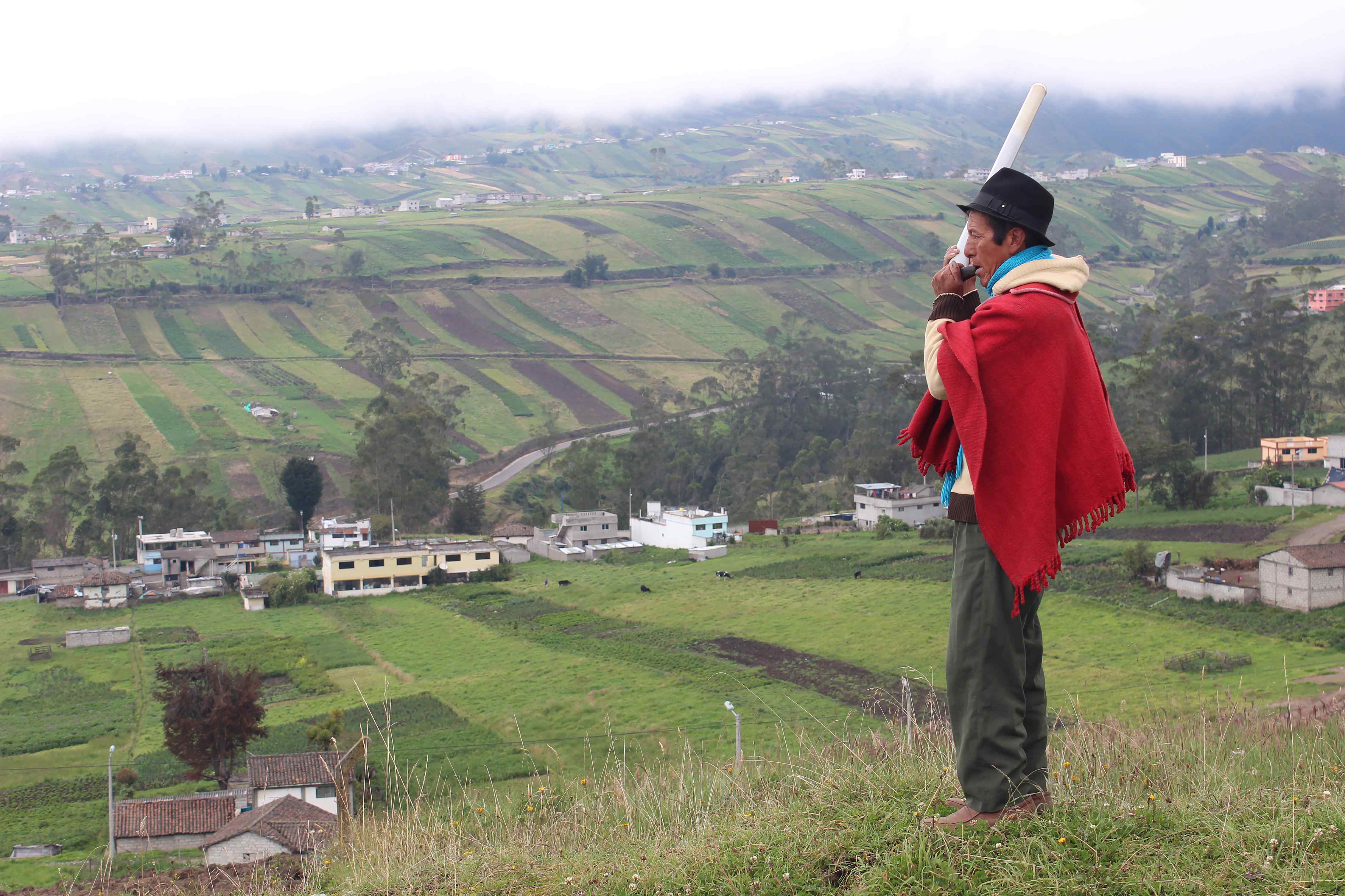
Community memory
Juan Diego Andrango
2018 - Kisapincha, Ecuador.
Between farms and fog, the sound crosses the landscape as an act of care, announcement and collective belonging.
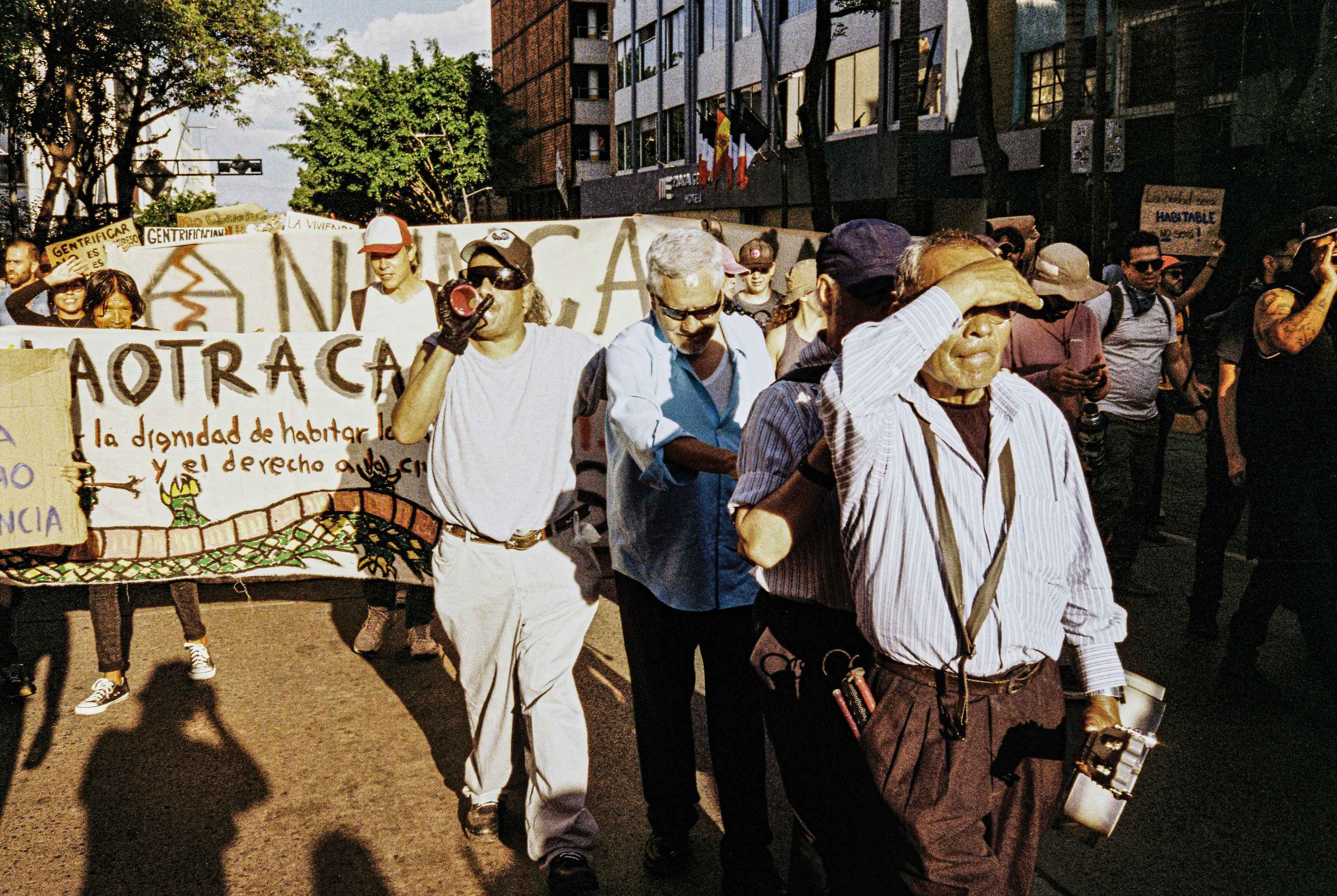
Another dignity of living
Julio Gonzalez
2025 - Guadalajara, Jalisco, Mexico.
It is the afternoon of September 2025, dignity organizes itself to move through the streets of Guadalajara. In front, blind people stripped of their homes, with their eyes on the horizon and the smell of the streets as a geographic reference, walk shouting “What's up, what's up, we don't have a home!”.
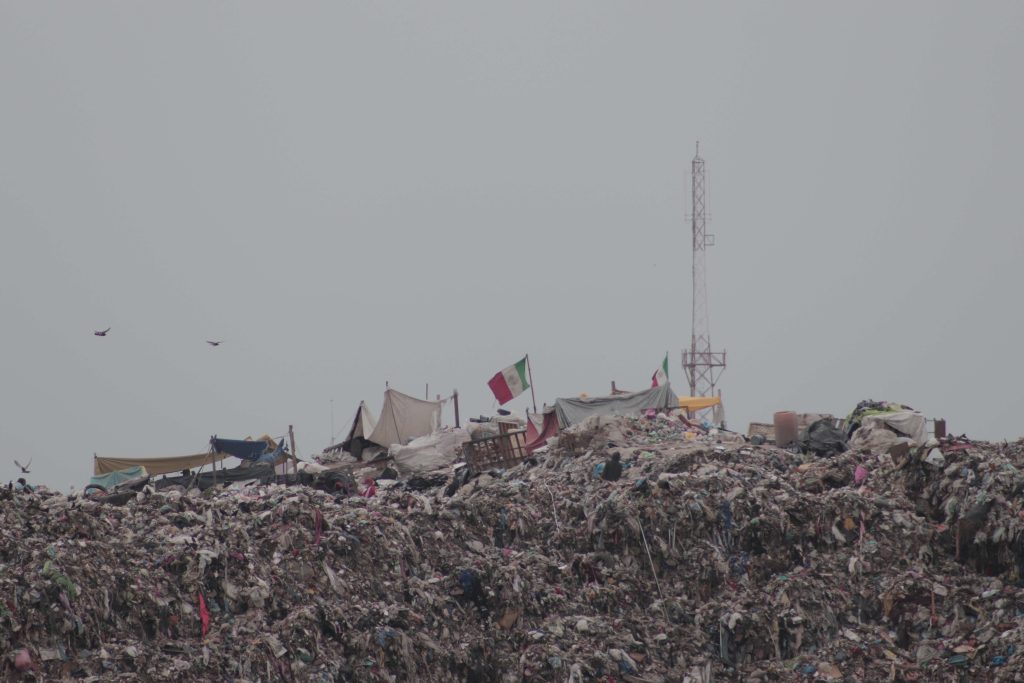
The Nation's Foundations
Leonardo Cassiel Hernández Valdespino
2023 - Bordo de Xochiaca
Mexico is a country of violence; those of us who grew up here know what it is like to flourish amidst shattering.
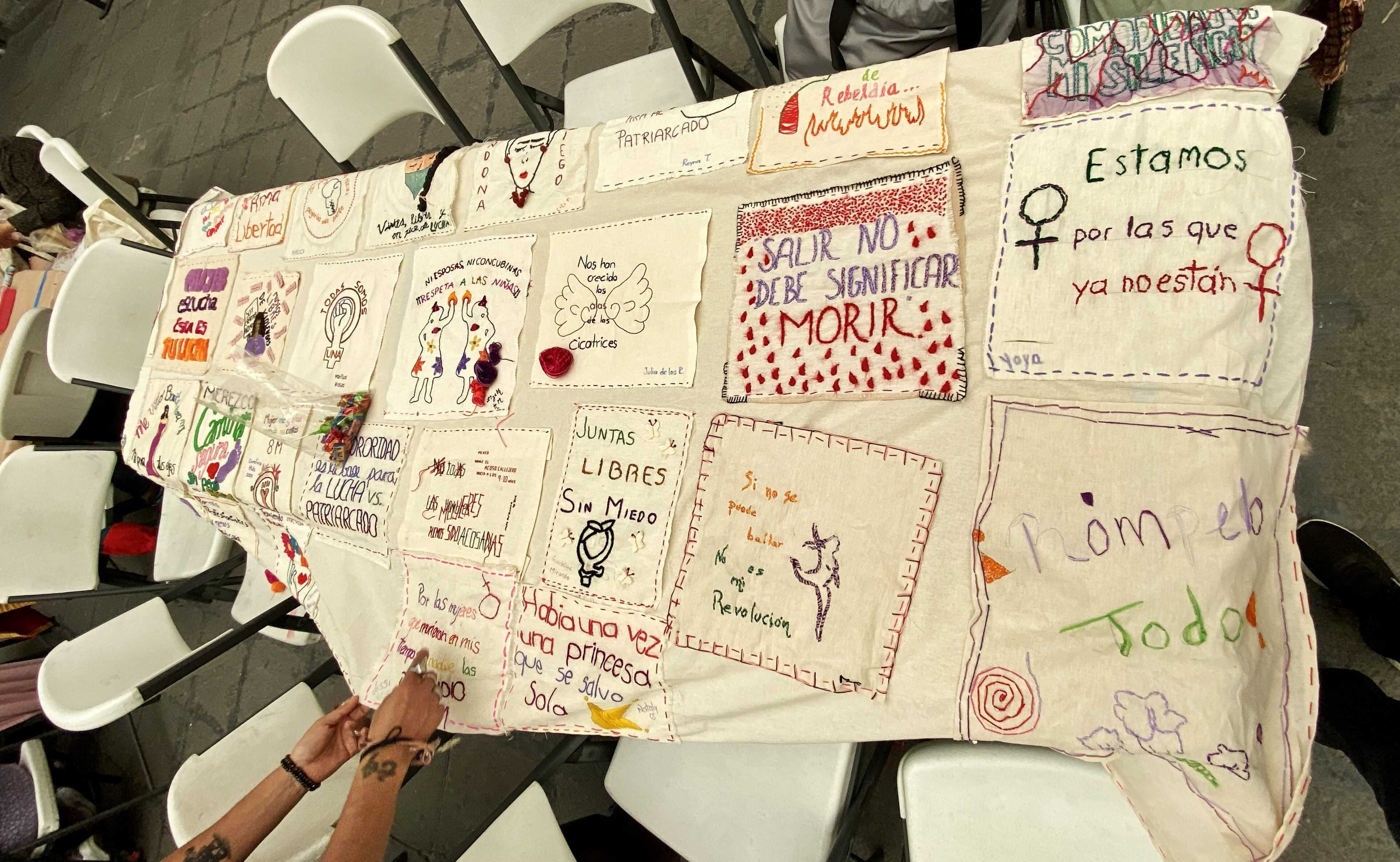
Collective textile memory
Lizeth Hernández Millán
2024 - Mexico City, Mexico.
As a result of the first embroidery circle at the Museum of Mexico City, a collective textile blanket was made to be taken to the March 8 march in Mexico City.
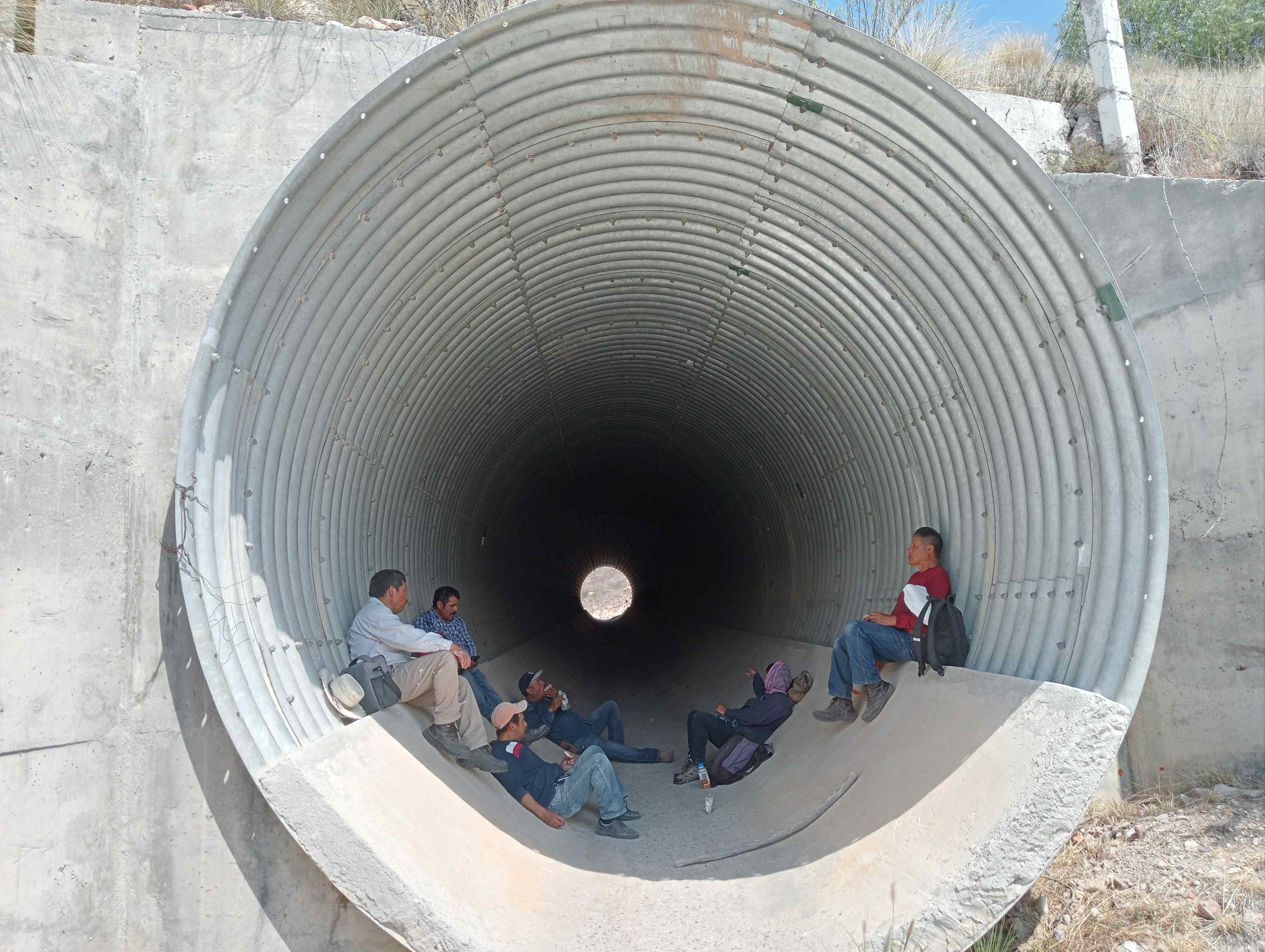
Communards under the shadow of the cross drainage
Marco Ernesto Blanco López
2024 - Community of Guadalupe Victoria and its annex La Cruz, municipality of Mexquitic de Carmona, San Luis Potosi, Mexico.
Community members rest in a drainage tunnel during an anthropological survey against territorial dispossession, transforming infrastructures into spaces of shared memory.
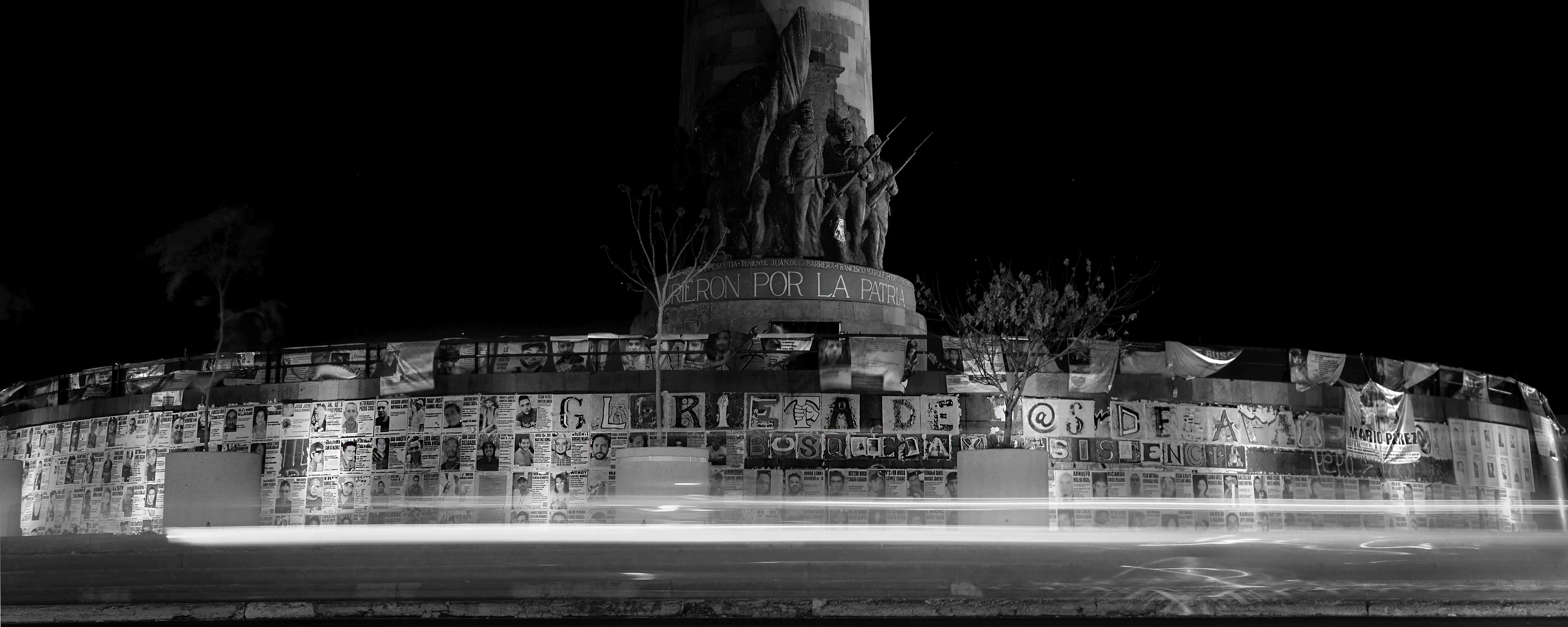
untitled
Naomi Greene Ortiz
2013 - Glorieta de Los Niños Héroes, now called “Glorieta de las y los desaparecidos”. Guadalajara, Jalisco, 2023.
The re-named Glorieta de Las y Los Desaparecidos de Jalisco, the state with the highest number of forced disappearances nationwide, displays a series of faces piled on top of each other; some on canvases, others on posters, many others on tiles embedded to avoid being removed at night. Welcome to Guadalajara!”
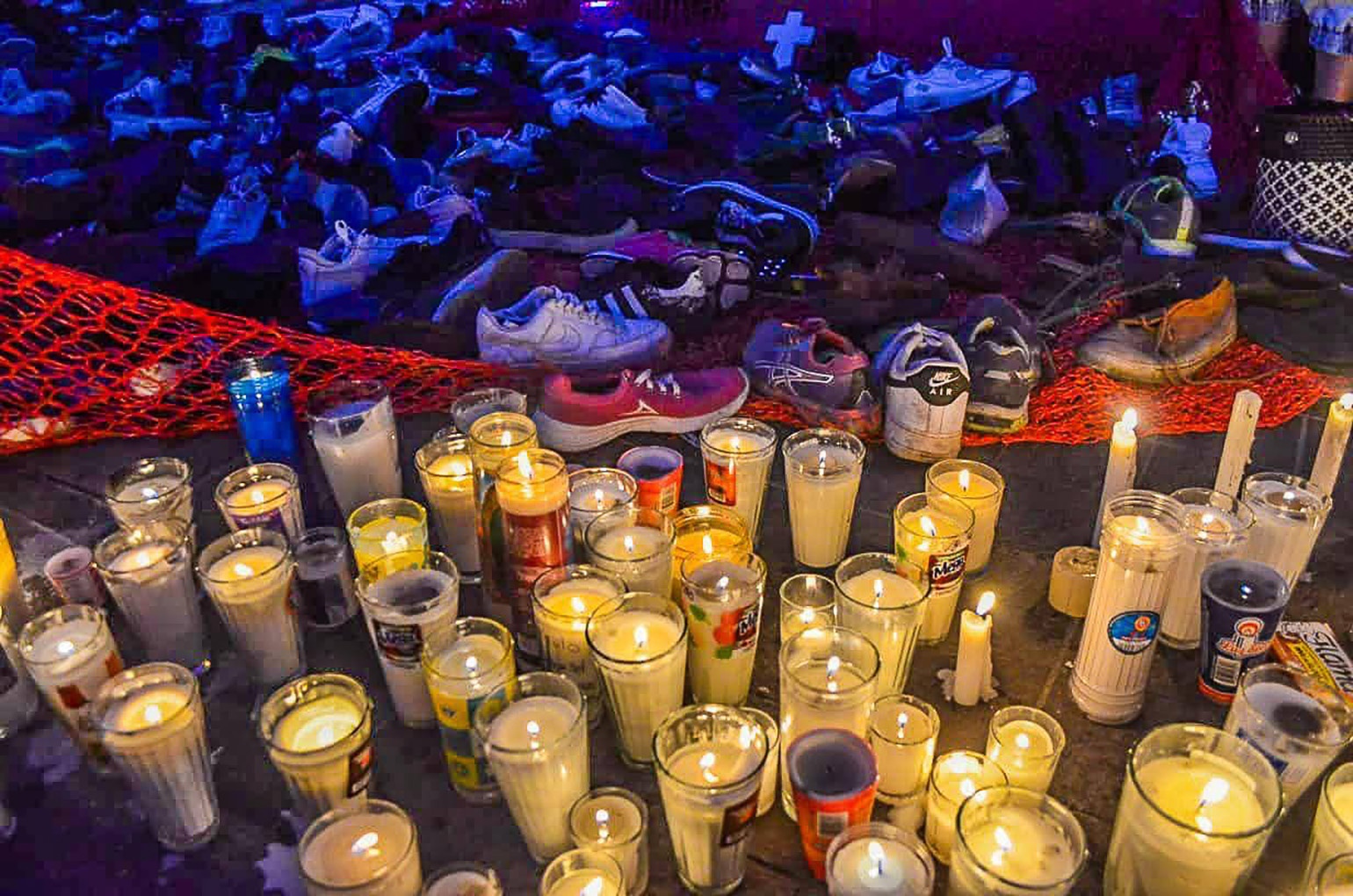
Alfaro did know (vigil for the Izaguirre ranch)
Pilar Aranda Moncivaiz
2025 - Government Palace, Guadalajara, Jalisco, Mexico.
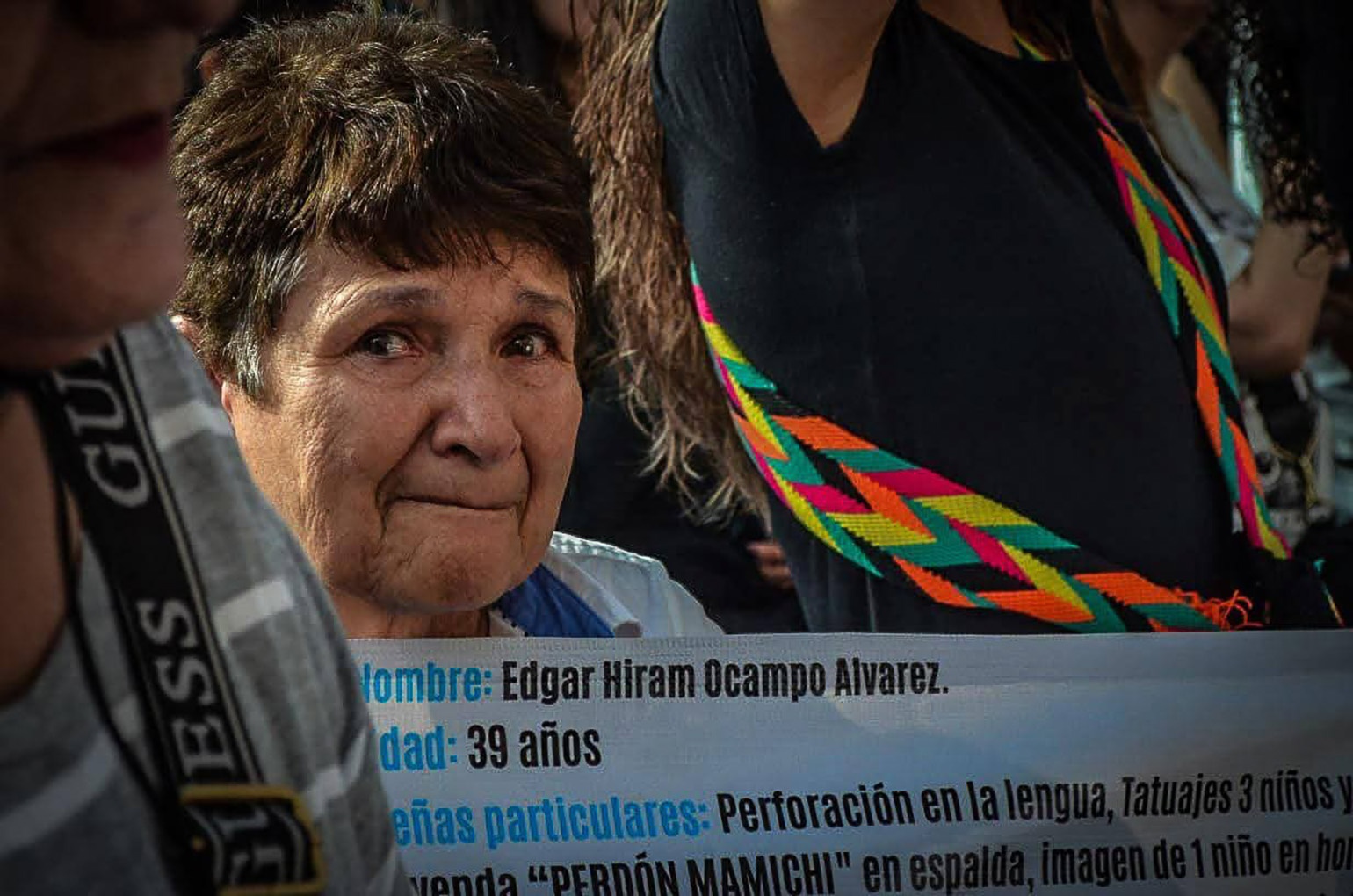
Searching mom
Pilar Aranda Moncivaiz
2025 - Government Palace, Guadaljara, Jalisco, Mexico.
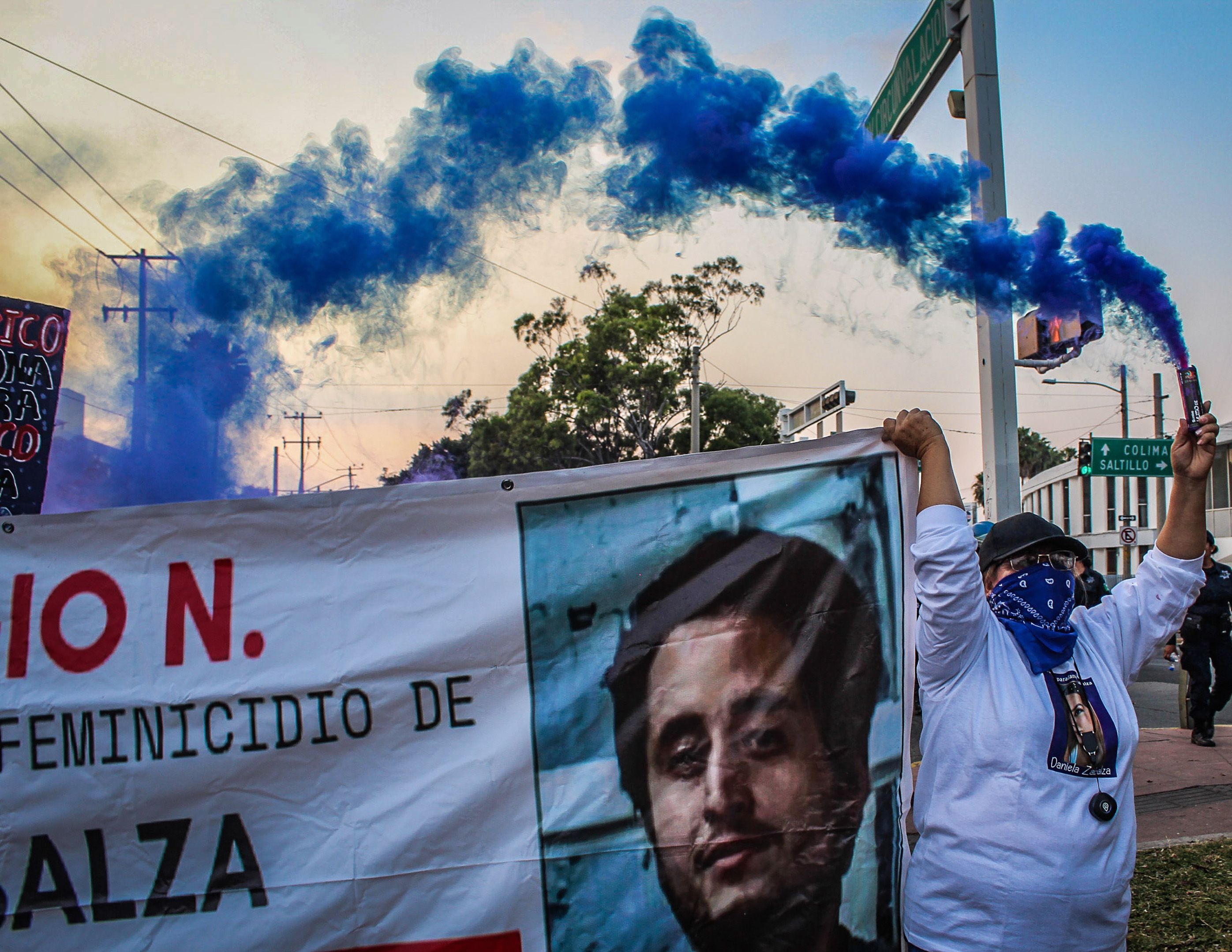
Daniela your mom is still in the fight
Pilar Aranda Moncivaiz
2025 - Guadalajara, Jalisco, Mexico.
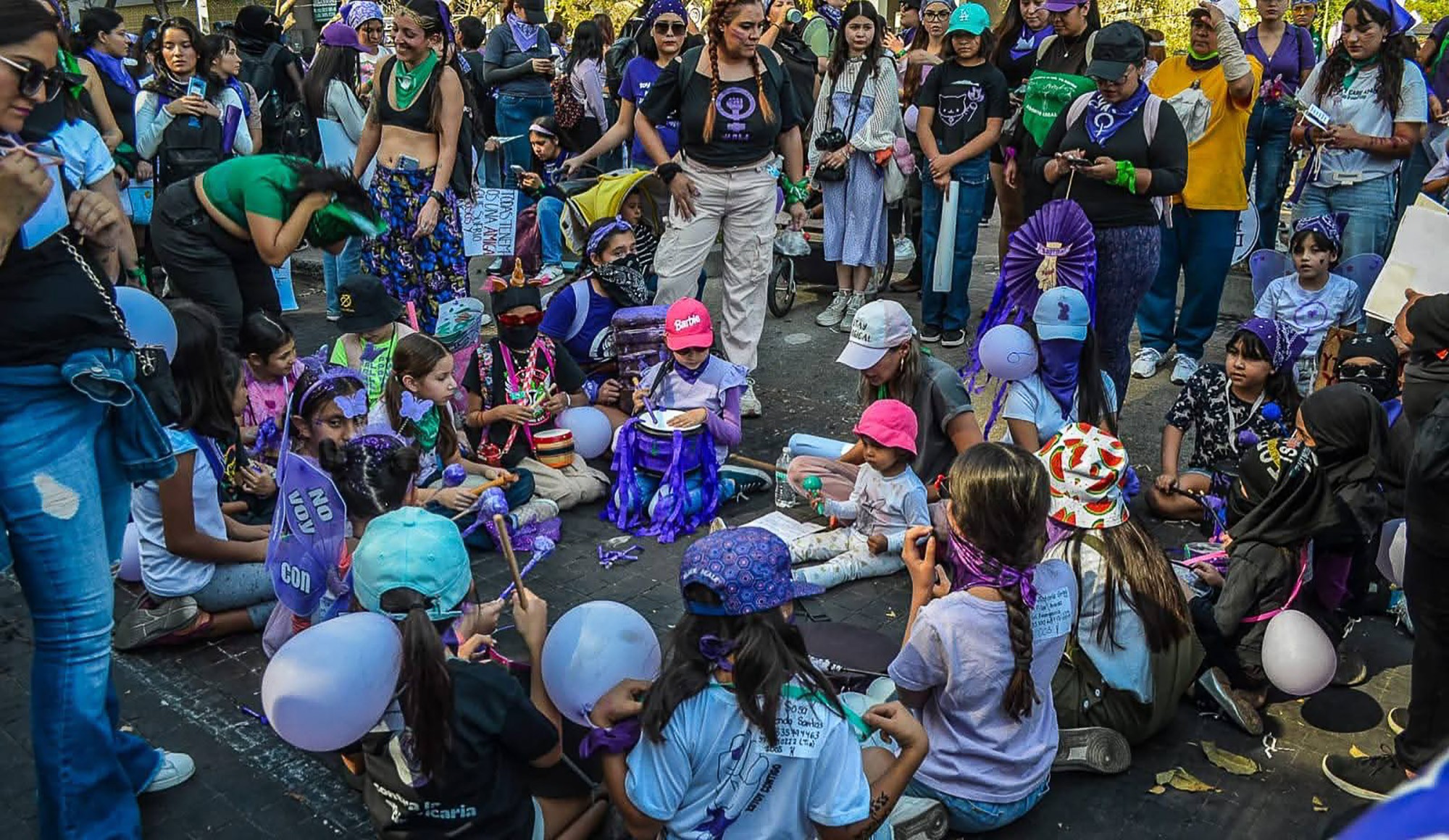
First feminist children's batucada
Pilar Aranda Moncivaiz
2025 - Guadalajara, Jalisco, Mexico.
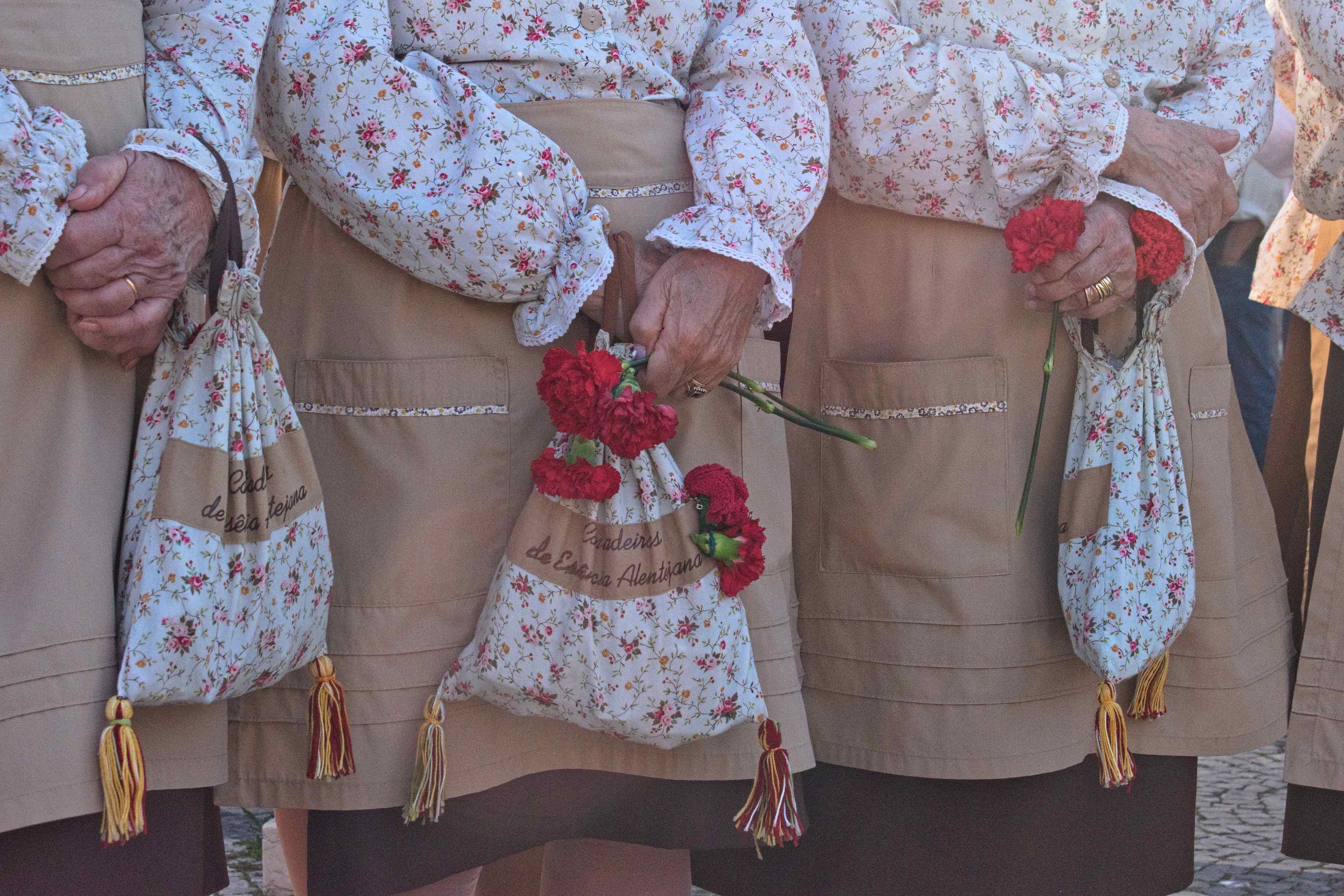
Flor Alentejan
Rodolfo Oliveros
2025 - Lisbon, Portugal.
The Alentejan choirs sing of the struggle for freedom and the recovery of the land; they also honor the memory of Catarina Eufemia, a communist peasant murdered by the dictatorship.
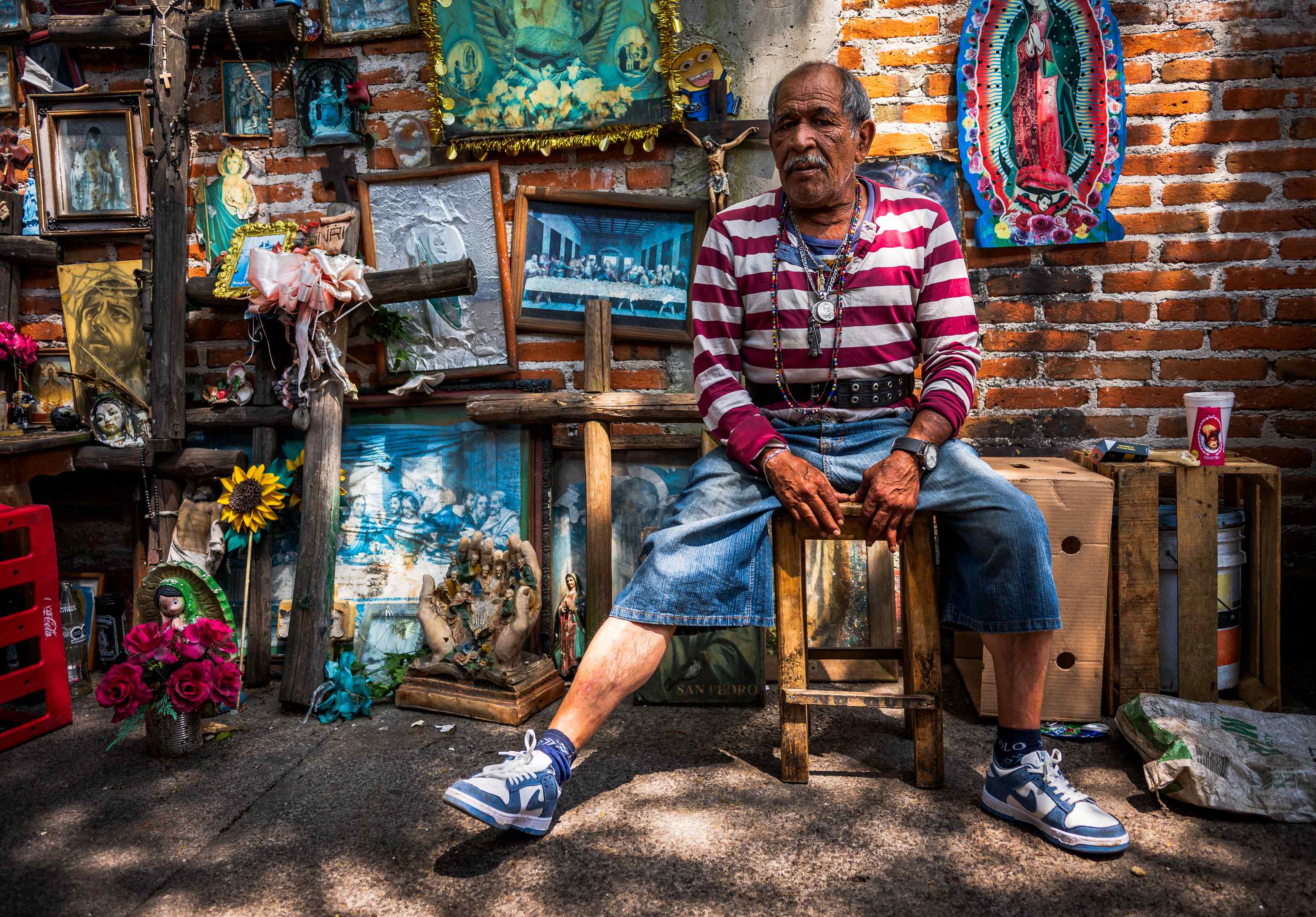
Don Lucas and his collection of art rescued from the trash
Santiago Hoyos
2025 - Barrio de la Araña, Álvaro Obregón, CDMX.
I met Don Lucas during a job paid for by the Alcaldía Álvaro Obregón in the neighborhood of La Araña. He bragged to us about his extensive collection of art rescued from the garbage dumps in the barrancas and how he uses it as a form of resistance to the excessive waste seen in Mexican society today. Here he is posing with his collection.
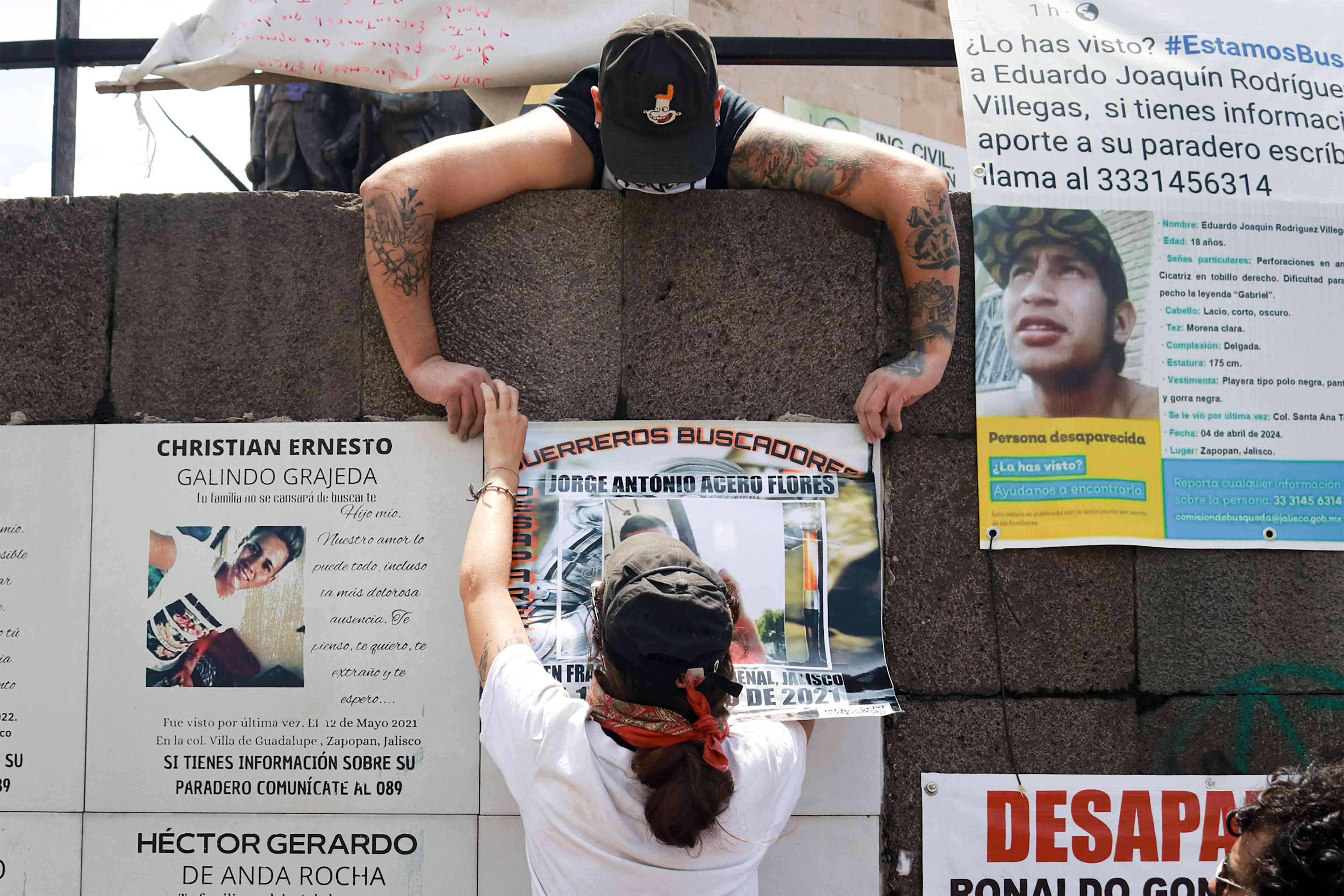
Renewed faces in the Glorieta
Ximena Torres
2025 - Guadalajara, Jalisco, Mexico.
The Glorieta de las y los desaparecidos is the most important site of memory for the searching families of Guadalajara, who have developed strategies to maintain search cards for the missing at the monument.
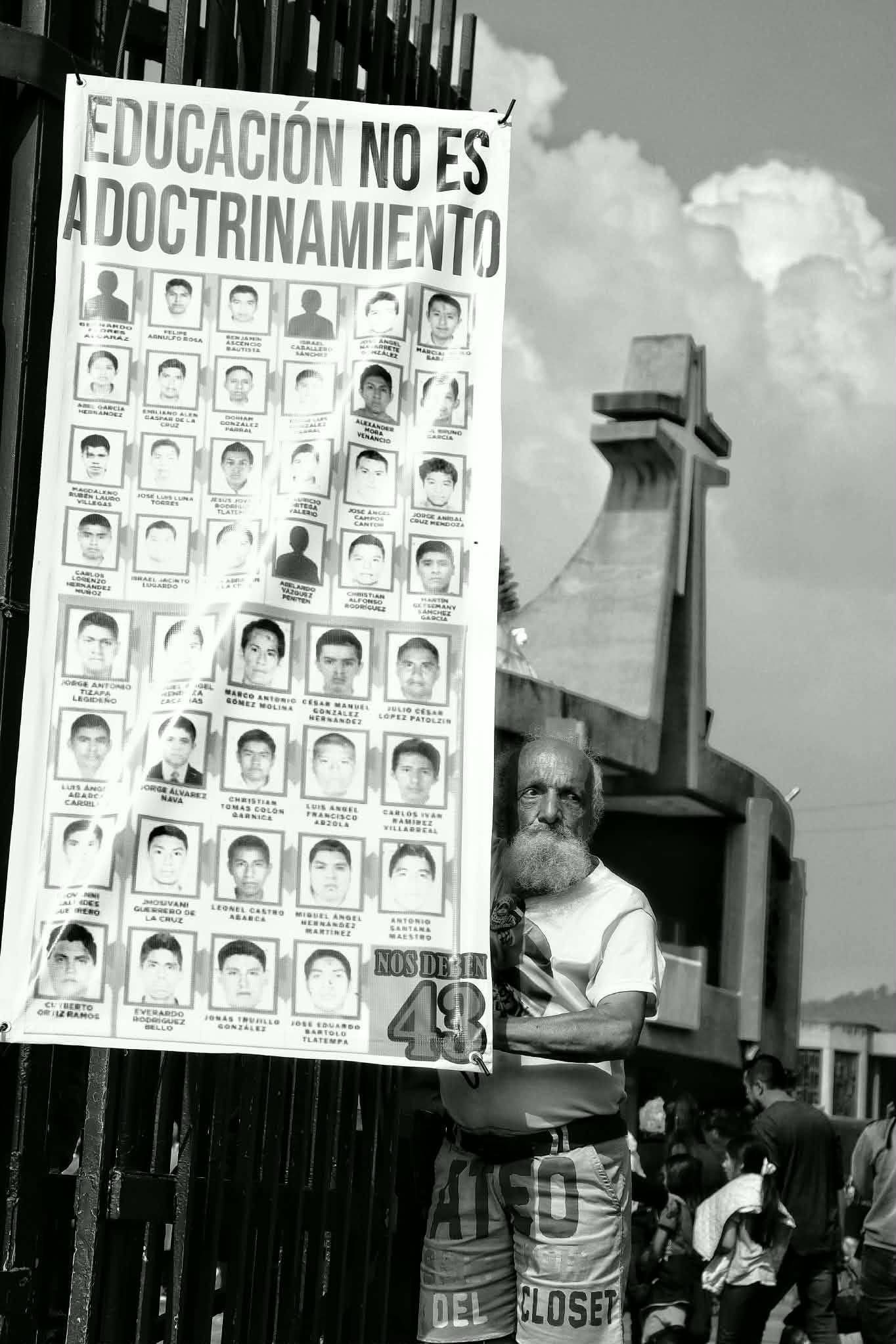
untitled
Yllich Escamilla Santiago
2025 - Basilica of Guadalupe, Mexico City, Mexico.
Every December the Basilica of Guadalupe also becomes a space for protest, memory and hope. It is there where the parents of the 43 missing normalistas take the space to make their struggle visible.
Bibliography
Bravo Regidor, Carlos (2025). Sea of doubts. Mexico City: Grano de Sal/ Gatopardo.
Butler, Judith (2010). War frames: lives mourned. Barcelona: Paidós.
Canal Encuentro (2017, January 26). Georges Didi-Huberman: the powerful image. YouTube: https://www.youtube.com/watch?v=6uvGhCgupq0
Jay, Martin (2003). Fields of force: between intellectual history and cultural critique. Buenos Aires: Paidós.



 EN
EN  ES
ES  FR
FR  PT
PT