
Rubén Díaz Ramírez
Autonomous Metropolitan University - Iztapalapa Unit, Mexico
D. in Social Anthropology from the Universidad Iberoamericana. He is currently doing postdoctoral research at UAM-Iztapalapa. In his academic career he has been dedicated to historical and ethnographic research on various aspects of socio-technical transformations, as well as the imaginaries of progress, modernization and development in various localities of the municipality of Poncitlán, Jalisco. His current work deals with the anthropology and techno-environmental history of Poncitlán, with emphasis on San Miguel Zapotitlán.
ORCID: https://orcid.org/0000-0002-4424-0001
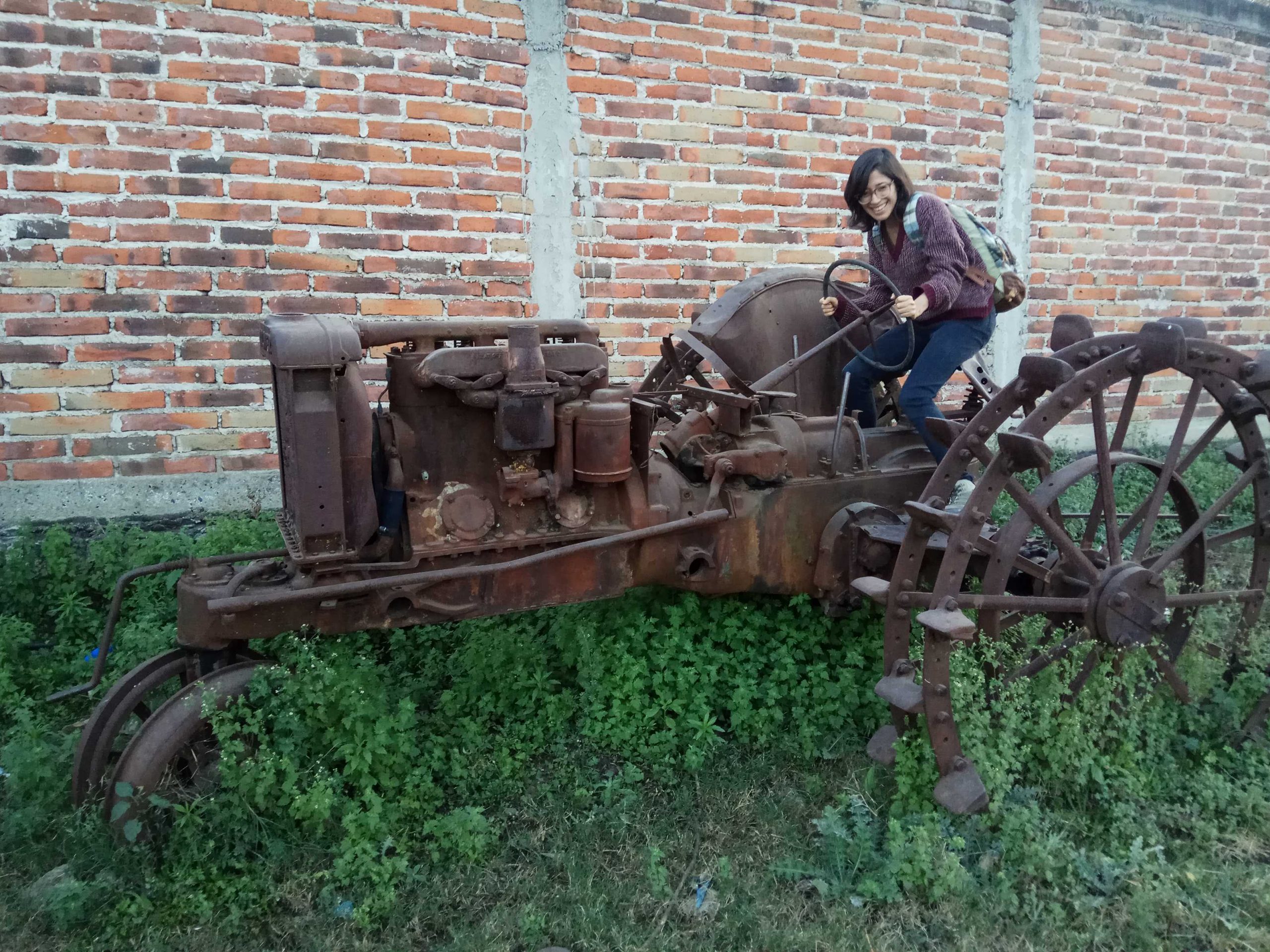
Image 1. Ghosts and ruins of progress
San Miguel Zapotitlán, January 16, 2022.
(Mariana on the ejido's old Oliver tractor) Agriculture is a way of life in which the ghosts and ruins of past projects live on, visible and invisible, peaceful and violent, ephemeral and enduring. This Oliver tractor model was one of the insignia of the "modernization" of ejido agriculture in the 1950s. The children of the generation born in the 1980s played in its ruins.
Image 2. Resignification of progress infrastructures
San Miguel Zapotitlán, March 07, 2022.
(Former CONASUPO offices, now Castariz) One of CONASUPO's functions was to prevent abuses by middlemen (known as coyotes) in the commercialization of corn. The Mexican rural landscape abounds with these ruins that resemble Mesoamerican temples. Image 2 shows the warehouses of San Miguel Zapotitlán. The ejido rents the warehouses to Agropecuaria Castariz and Integradora Arca, which symbolically and functionally appropriated the materializations of the dreams of progress in 20th century Mexican agriculture.
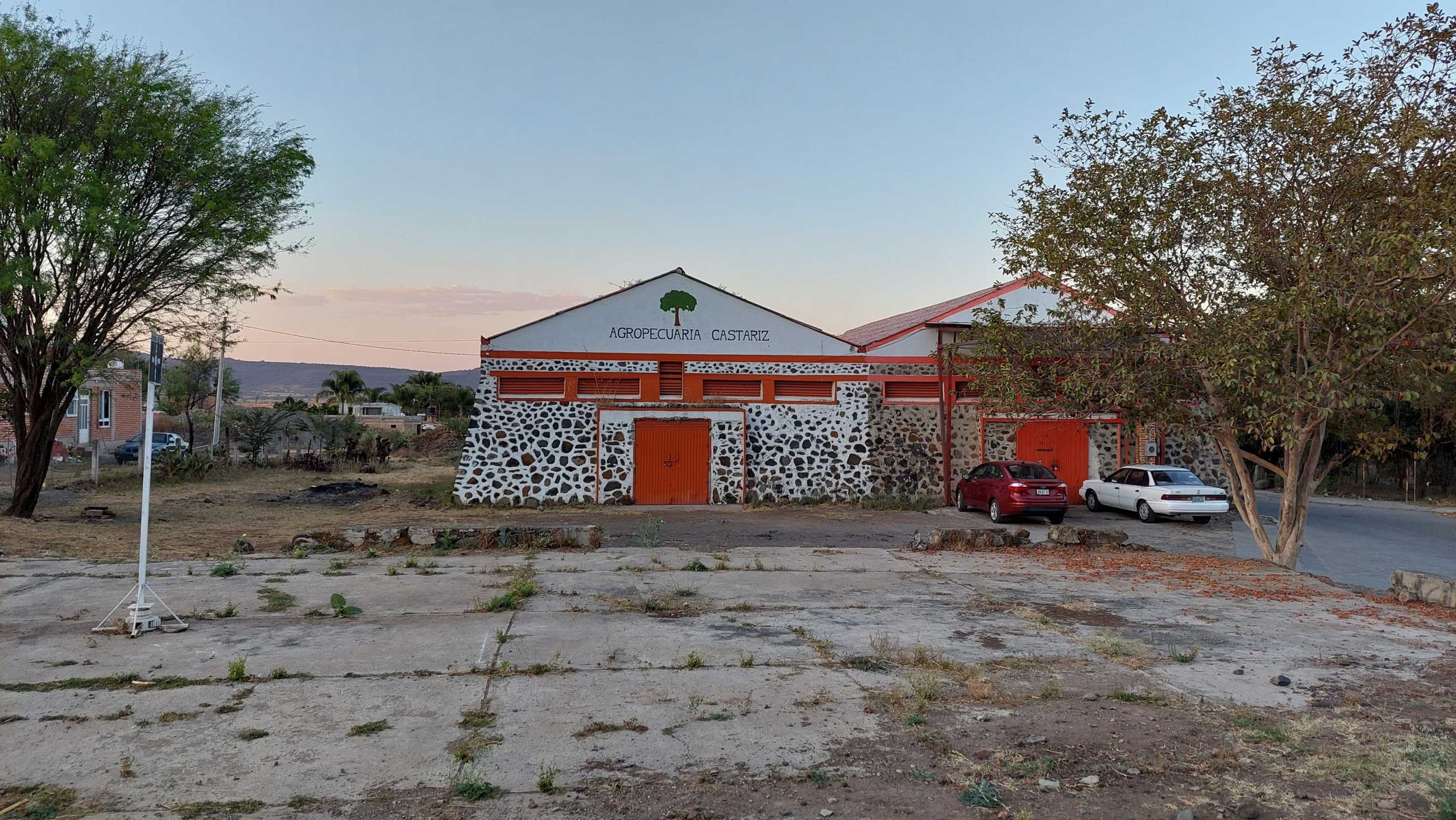
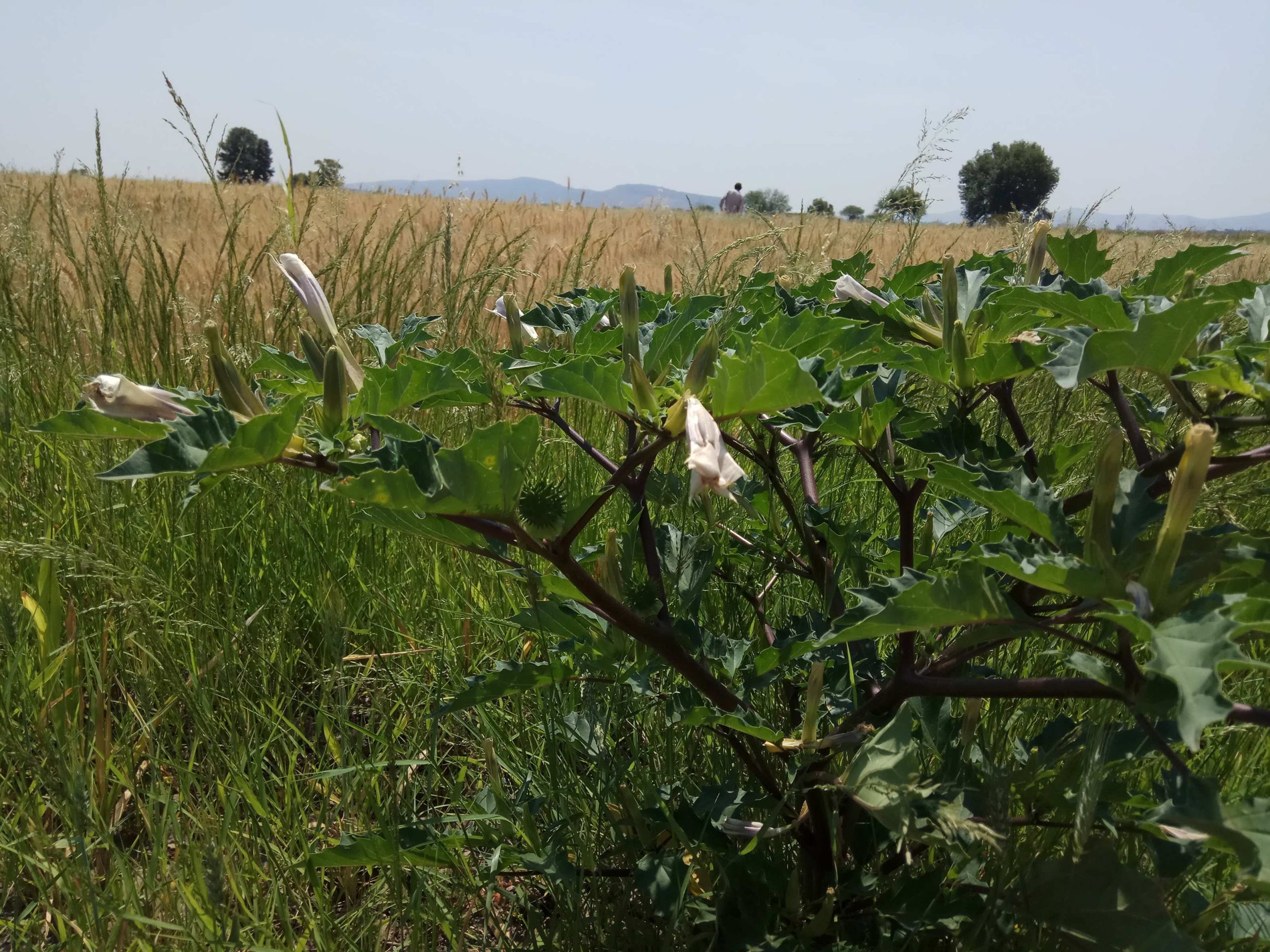
Image 3. Residual non-human presences
Potrero Barranquillas, May 7, 2021.
(Datura blooming in an alley near wheat) Subjecting agriculture to industrial production chains in the mid-20th century resulted not only in the subjugation of farmers to the production of food for the urban market, but also in the displacement or annihilation of other species classified as "weeds" or "pests". The alleys (areas between plots) are residual spaces, home to species that are also residual and therefore survive agrochemicals. In Image 3, a common toloache plant, maybe Datura stramonium L.
Image 4. Unexpected visitors
Potrero Barranquillas, December 06, 2018.
("Avenilla" in the alley) Stories of living beings survive in the landscape. Just as one day the Castilians brought their species from the other side of the ocean, in the 20th century hybrid corn, sorghum and exogenous wheat varieties were introduced. The pathways were laid for the arrival of other unexpected species. For example, the "avenilla" (possibly Themeda quadrivalvis), which colonizes disturbed areas on hills and roads, is an indication of its movement on top of agricultural machinery.
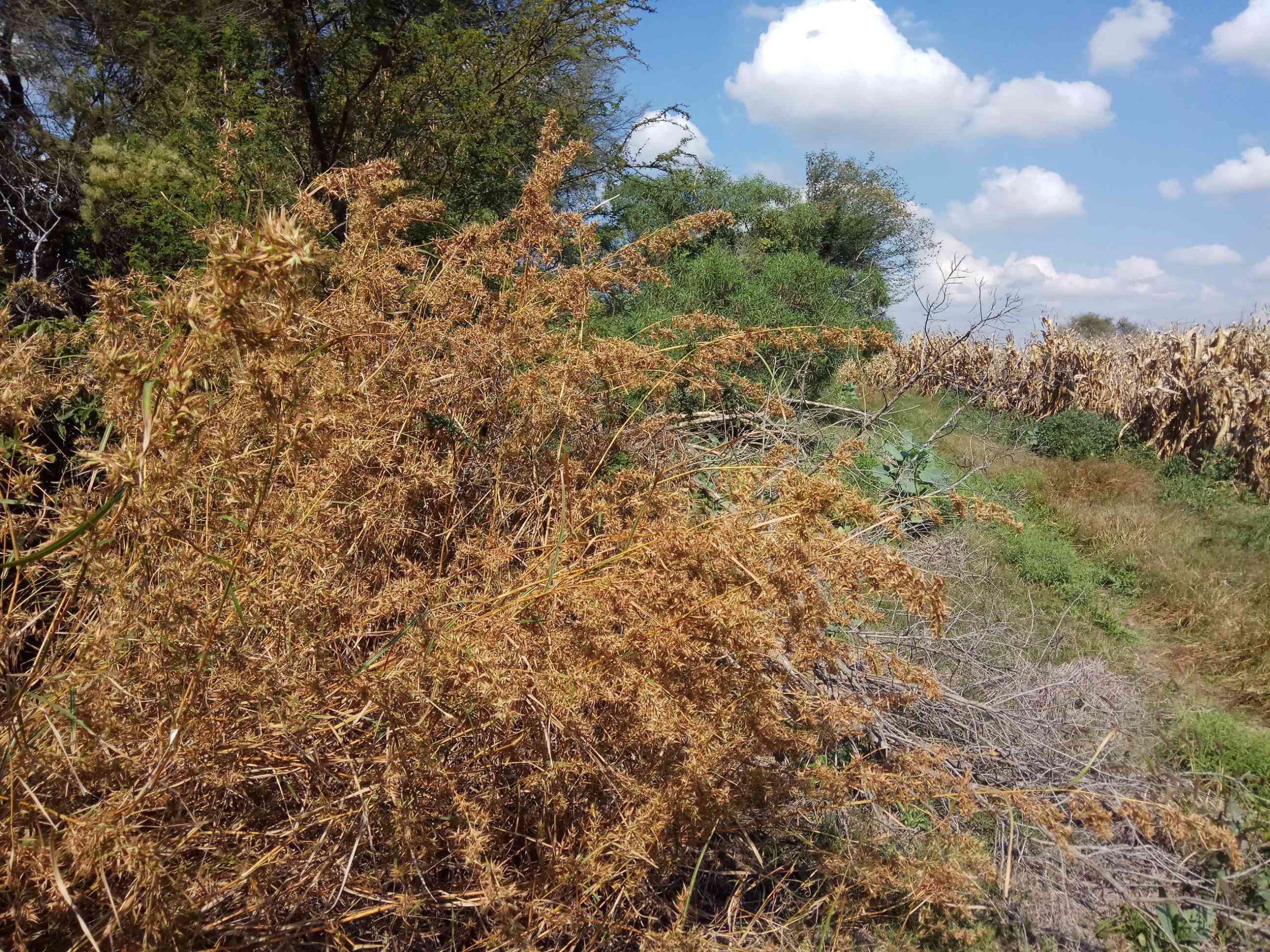
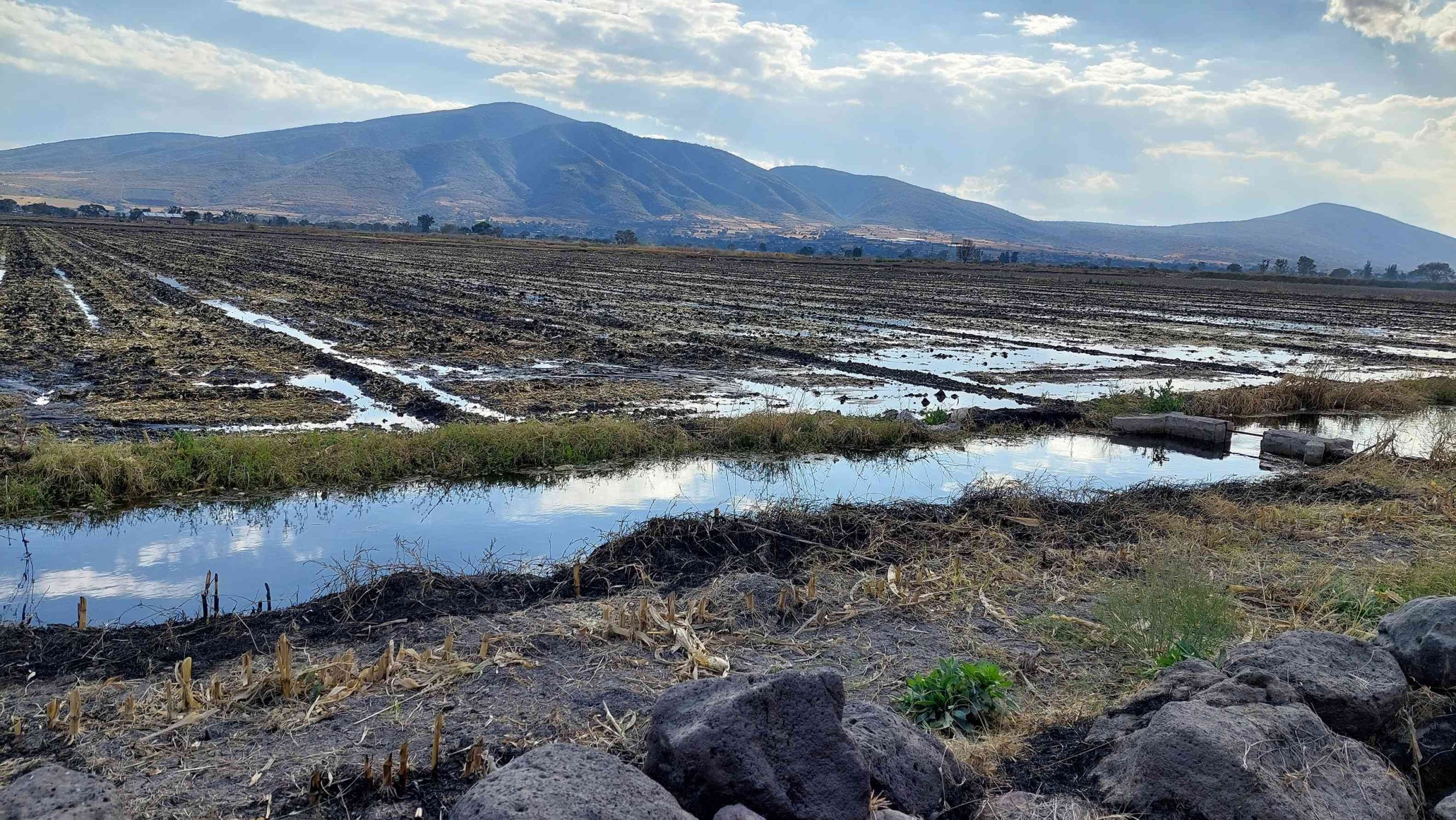
Image 5. Wheat: irrigating with contaminated water from the Santiago River
Potrero Barranquillas, January 11, 2023.
("Rolling" irrigation with river water) Irrigation systems are infrastructures that combine time. In the 19th century, small landowners and ranchers monopolized irrigated land, but peasants won their right to water in the agrarian reform of the 20th century. These systems take advantage of ditches, canals, dikes and dams, some of which date back to the hacienda era, while others were opened during the years of the agrarian reform.
Wheat between tradition and industry
Potrero Barranquillas, January 21, 2023.
(The "stripe" to guide water through the plot) Farmers and irrigators are experts at seeing the terrain and using gravity to direct water into plots to irrigate wheat. This knowledge is passed down through the generations. The liquid for irrigation is extracted or channeled from the Santiago River, in whose channel the companies of the industrial corridor dispose of their toxic waste. As can be seen, "nature" and agriculture are contained by tradition and by industry in little obvious ways.
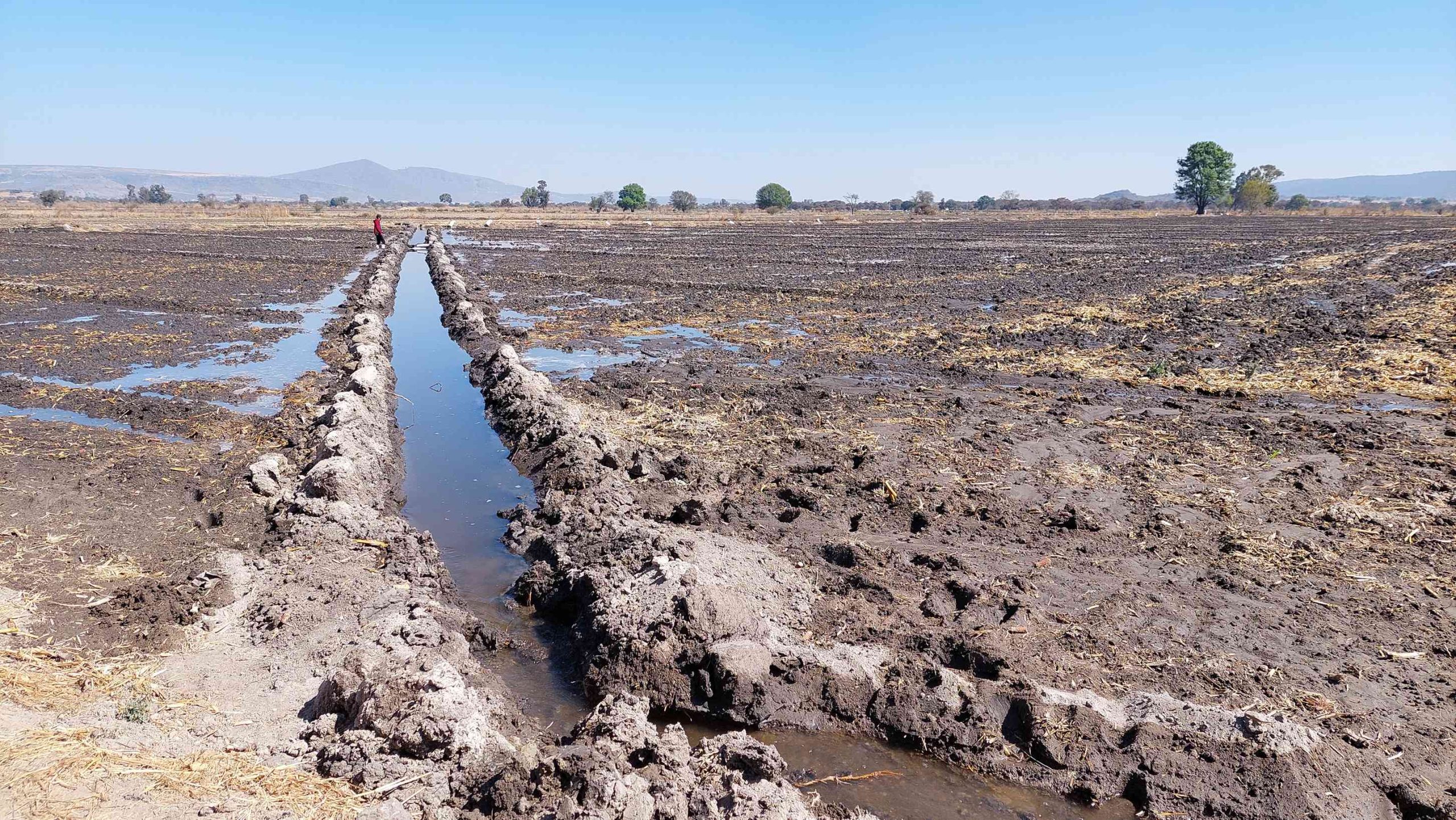
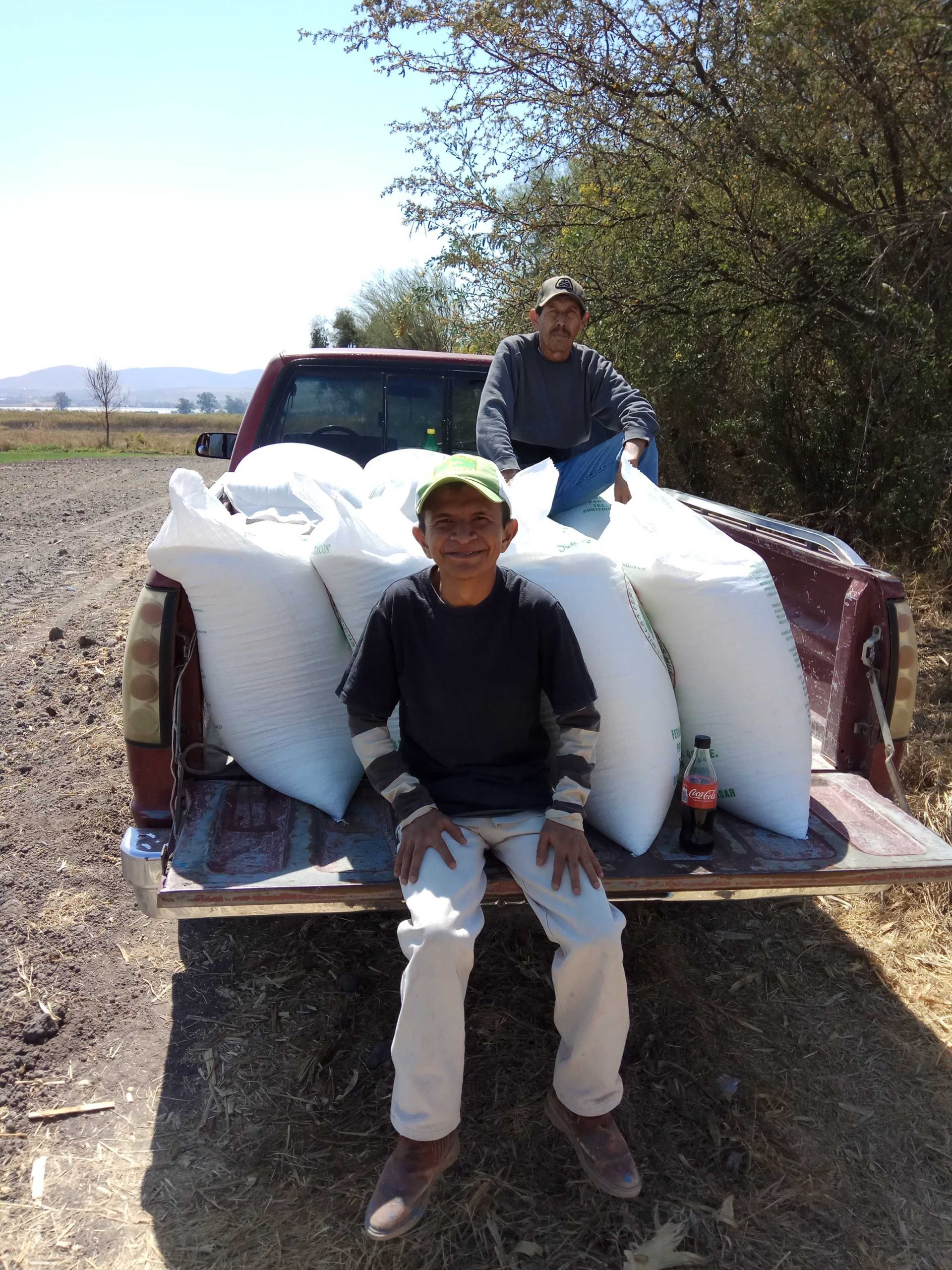
Image 7. Dependence: monoculture and chemical fertilizers
Potrero Barranquillas, February 23, 2021.
(The two Martins between sacks of urea). Commercial agriculture depends on chemical fertilizers. Between 2021 and 2022 the price of urea in the region reached up to 24 000 pesos per ton; 18 000 pesos according to other sources (Index Mundi 2023). The situation was aggravated by shortages caused by the war between Russia and Ukraine, which started on February 24, 2022.
Image 8. An essential duo: monoculture and nitrogen
Bodega Libertad, San José de Ornelas, June 10, 2023.
(Monsanto's ammonium sulfate and pallets) The urea shortage and the Russia-Ukraine war caused an increase in the price of urea and therefore in production costs per hectare of corn, 5 or 10,000 pesos more than in previous years. In a talk among farmers I heard: the United States is "way ahead of us" because they already have planters and fertilizer applicators that dose the right amount per square meter. In Mexico, on the contrary, they "throw it evenly". Therefore, "the lands that do not need it become better and those that need it become worse because they do not receive the necessary fertilizer" (Diario de campo, May 29, 2022).
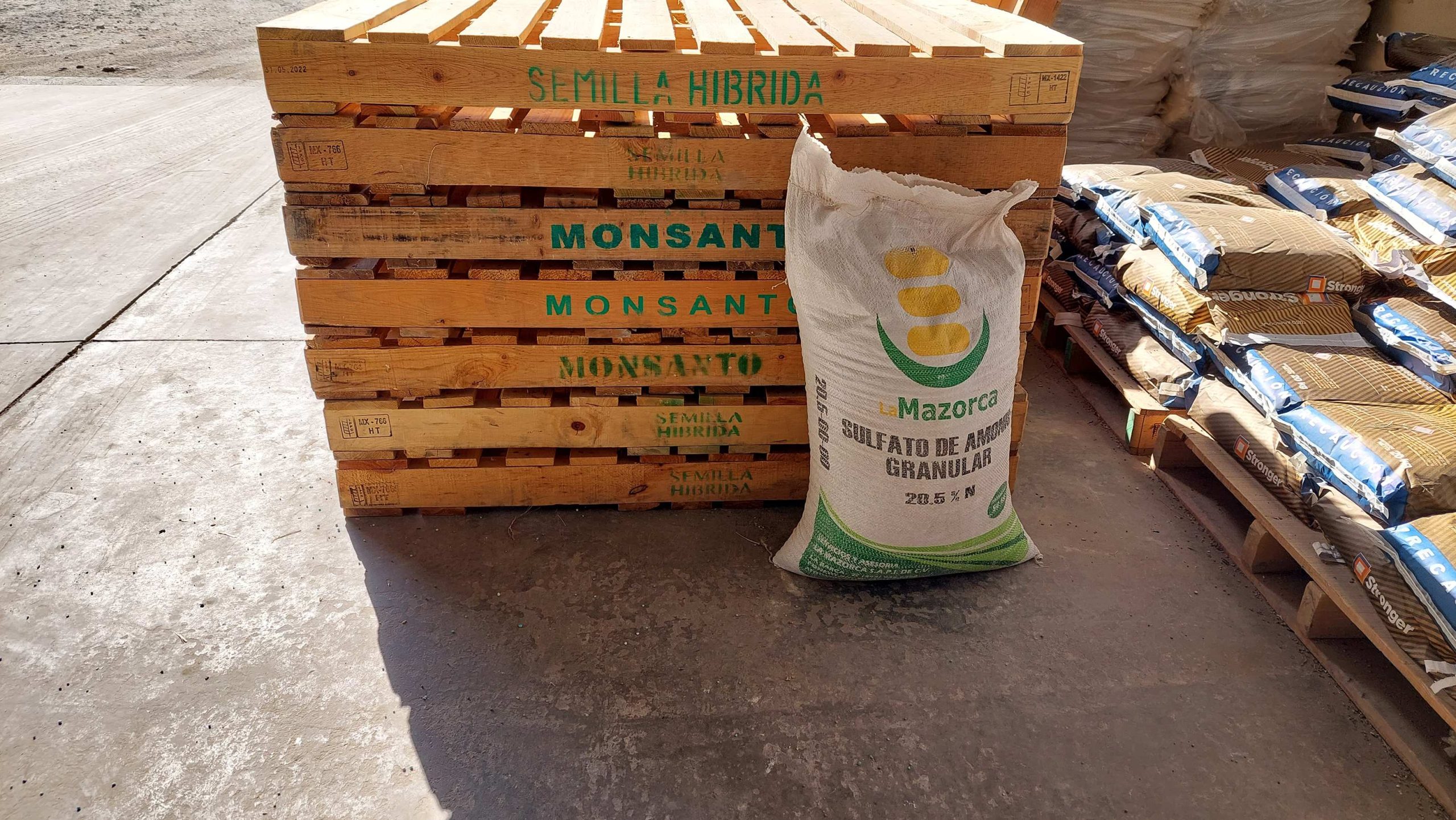
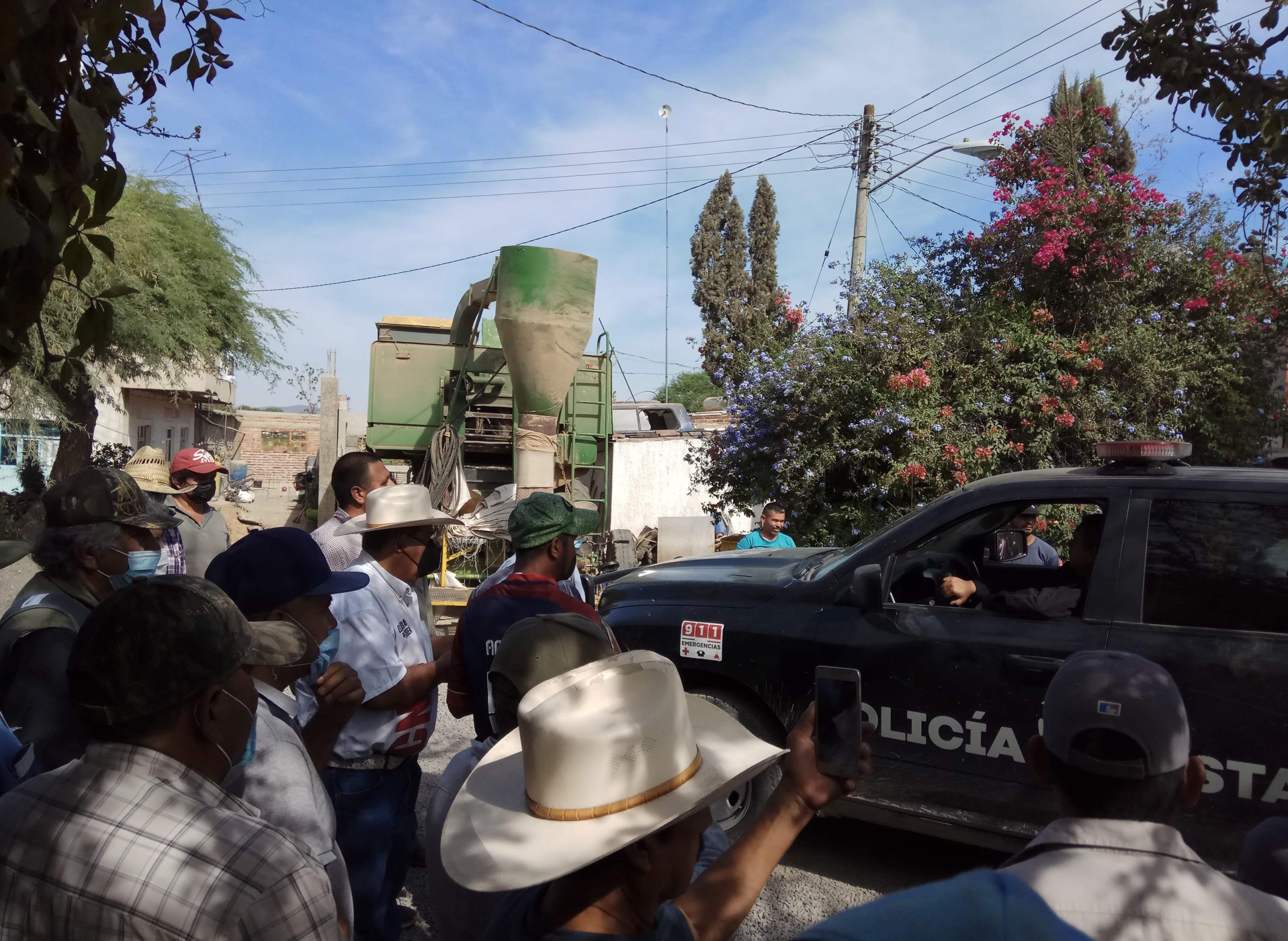
Image 9. When assemblies are altered
La Constancia, Zapotlán del Rey, March 27, 2021.
(Farmers see a patrol car pass by) On March 22, 2021, World Water Day, state police destroyed pumping system starter equipment in several of the region's ejidos and delayed irrigation at a critical stage of the wheat cycle. With these actions, the governor of Jalisco, Enrique Alfaro, blamed the farmers for the drinking water supply crisis suffered by the city of Guadalajara and tried to win the sympathy of his governors with the typical resource of confronting the countryside with the city.
Image 10. When assemblies are altered
La Constancia, Zapotlán del Rey, March 27, 2021.
(Organized farmers) The farmers sought dialogue with the government. In the end, it was agreed that the equipment would be restored, but the damage was already done. Harvests were two to three tons per hectare, half or less of the average in normal years. The price of wheat was 4,500 pesos per ton. The income of nine thousand pesos, in the case of harvests of two tons per hectare, is insufficient; it does not even cover half of the production costs.
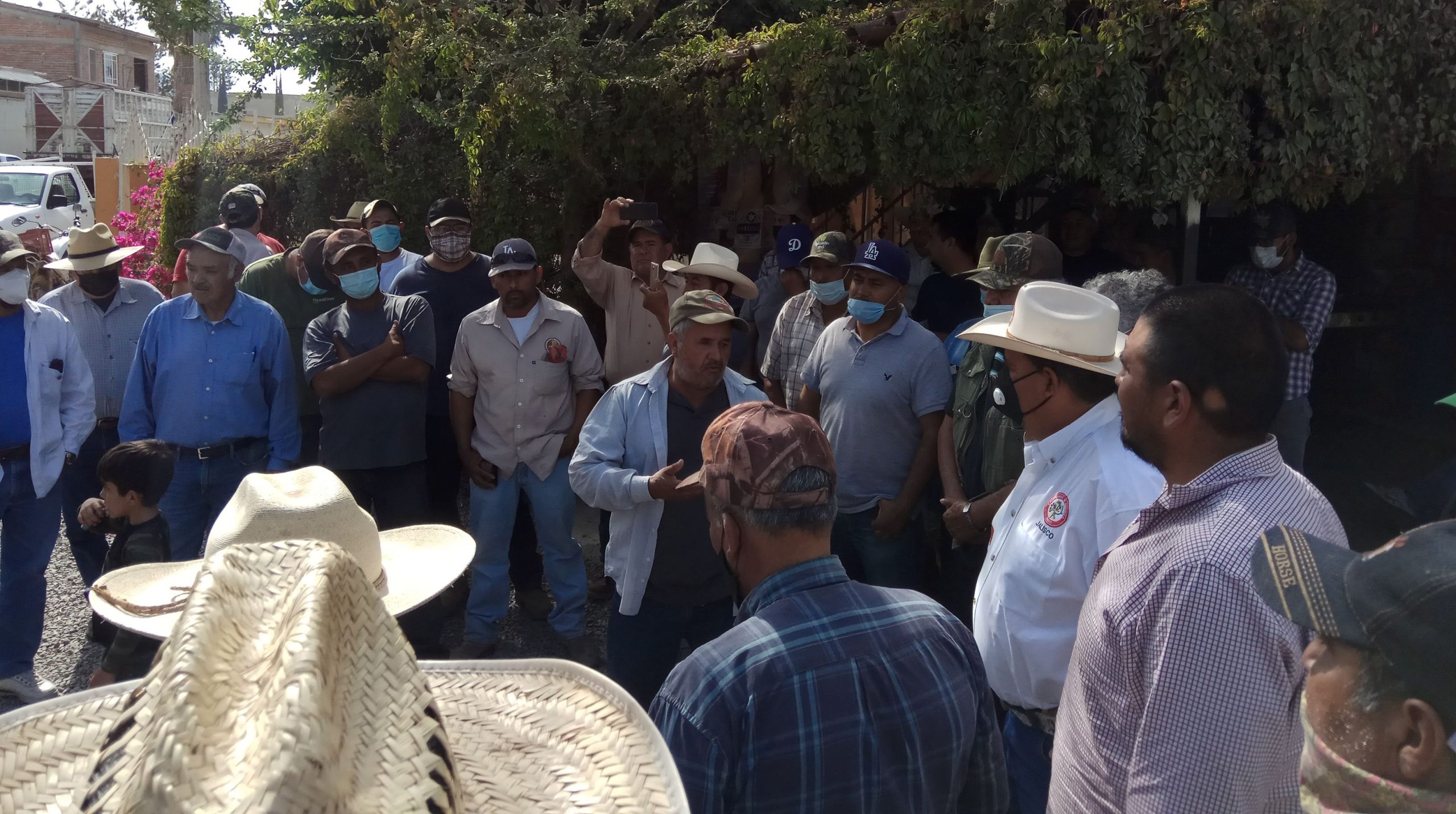
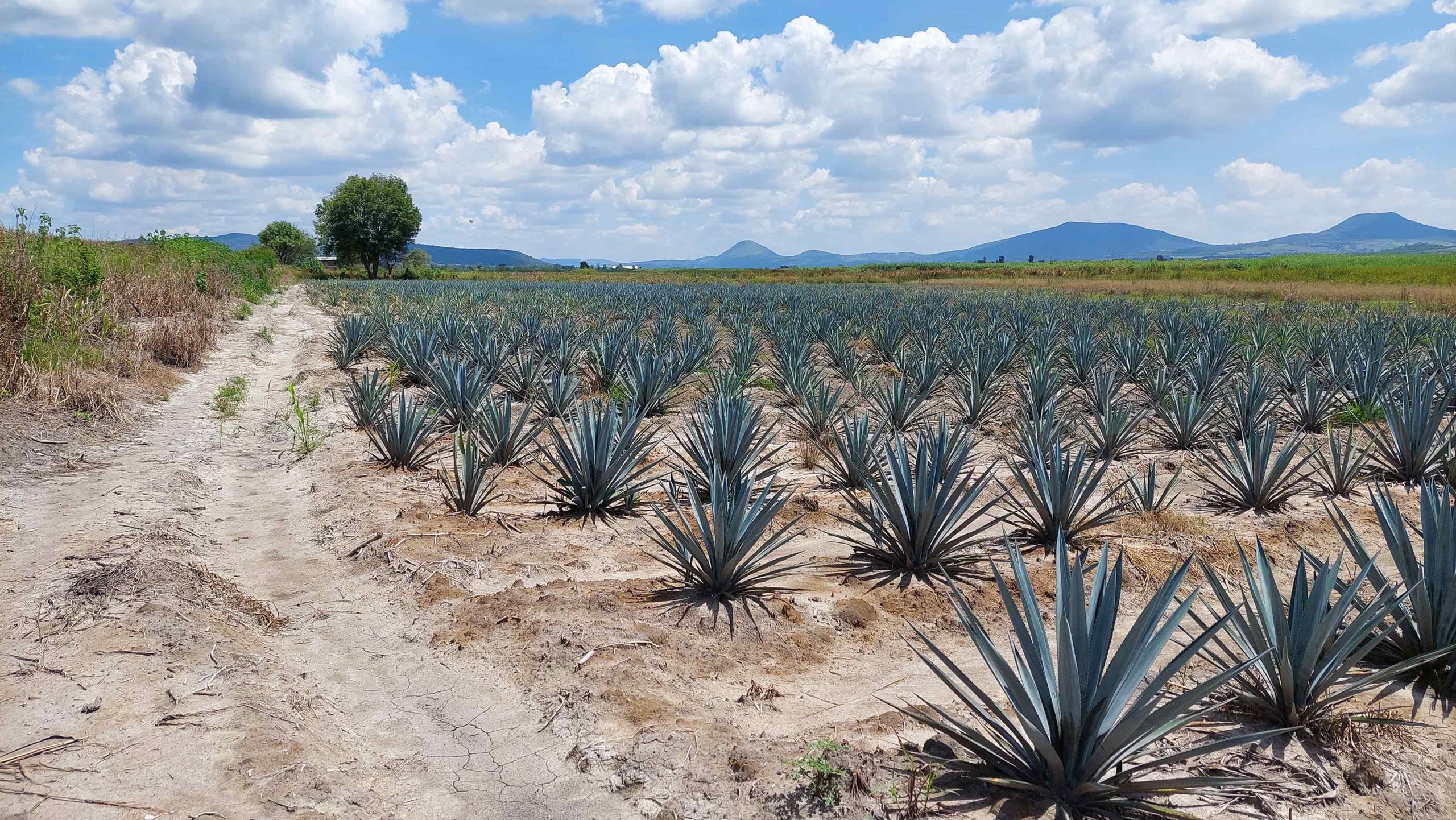
Image 11. Agave
Potrero Barranquillas, September 15, 2022.
(New crops in the ejido) Drought, state government actions, high prices of agricultural inputs and the expansion of the tequila market led several farmers to rent their plots to agave growers (agaves, agribusinesses and agribusinesses).tequilana Weber). The fever for agave arises in part because of the high price it reached during the 2019-2021 period. According to a report in the online newspaper UDG TVthe price per kilogram of agave [...] exceeded 30 pesos, [30 times more expensive] than in 2006 when it was sold at 1 peso" (García Solís, 2020). In 2024, the price varies between 15 and 8 pesos per kilogram.
Image 12. Eliminate non-valuable species
Potrero Barranquillas, February 21, 2019.
(Preparation of the fumigation tank for wheat) Monoculture implies the systematic elimination of any animal or plant species that "competes" for space and resources with cultivated plants. As Gilles Clément points out, "the eradication of an invasive species is always a failure: it is to affirm that the current state of our knowledge allows us no other recourse than violence" (2021: 19). One of the most widely used post-emergent herbicides in San Miguel Zapotitlán is called Ojiva (Paraquat), further evidence of the war vocabulary that survives in agriculture (Romero, 2022:51).
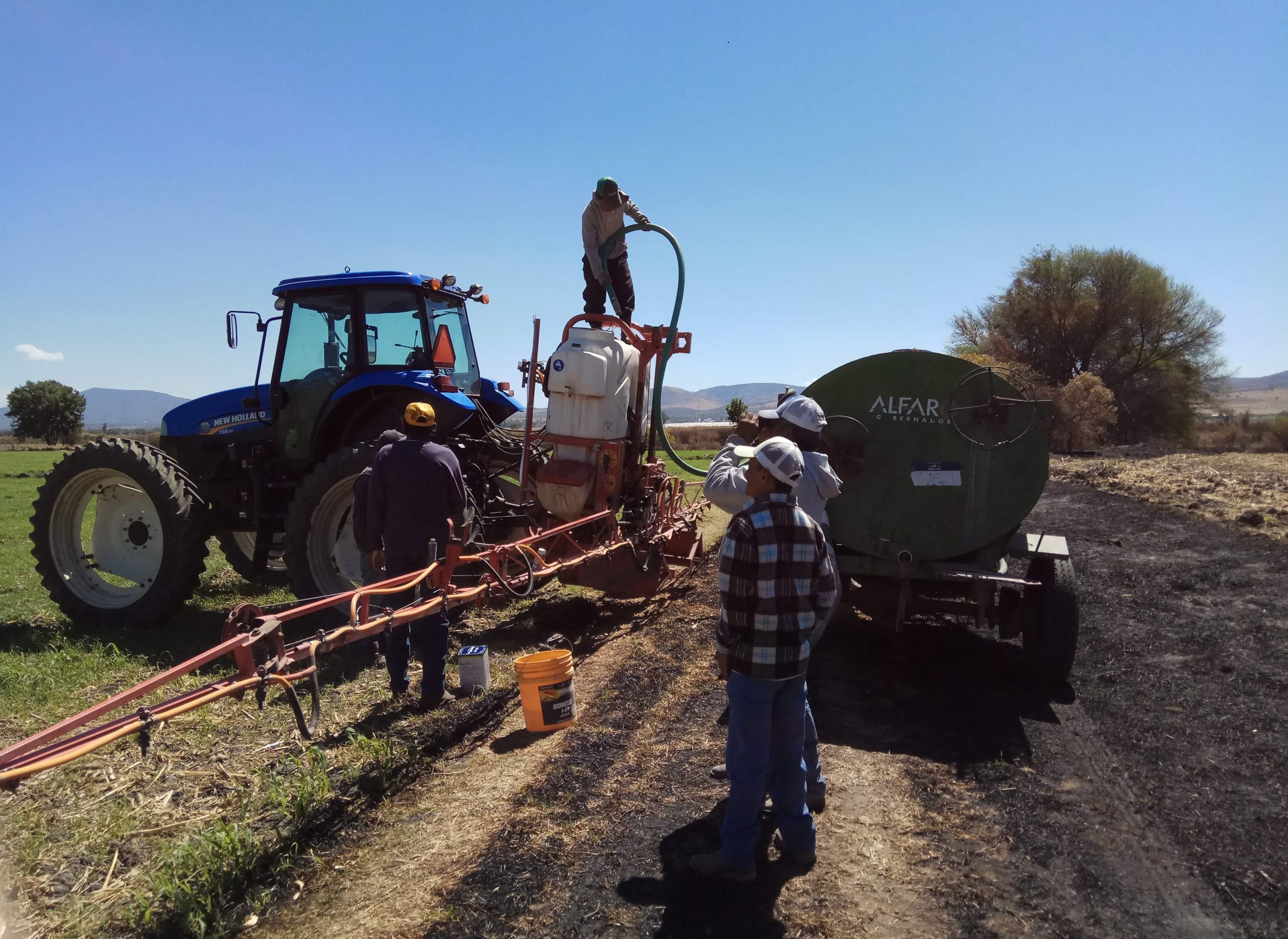
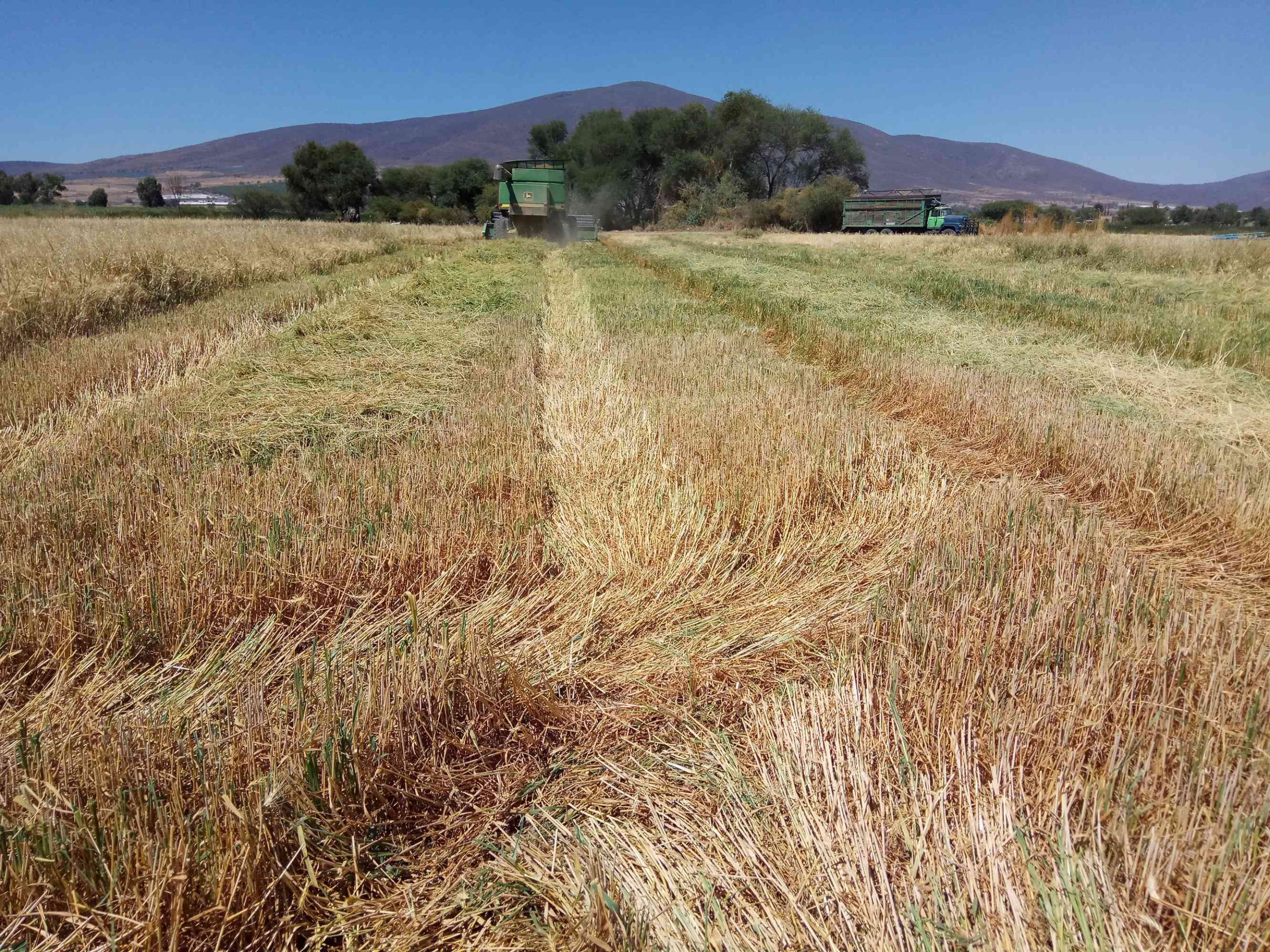
Image 13. The harvest
Potrero Barranquillas, May 19, 2021.
(The green traces of other species among the wheat) Wheat is harvested in mid-May. This cereal was the flagship of the region's haciendas until the Mexican Revolution of 1910 and became the focus of agronomic science from 1940 onwards (Olsson, 2017: 150). Mexican wheat varieties were exported to countries as far away as India, thus creating more global biotech corridors.
Image 14. The machines
Potrero Barranquillas May 19, 2021.
(Harvester loading wheat onto Dina truck) One of the visible symbols of agrarian modernization in this region is machinery. Since the 1960s, work in the ejidos of Poncitlán has been unimaginable without threshing machines, tractors and trucks. The trucks transport the grains to the factories Barcel, Kellogg's, Bimbo, Ingredion, Cargill or PEPSICO, where they transform the grains into industrial products that are then returned in delivery trucks to the stores where the farmers buy them in the form of merchandise.
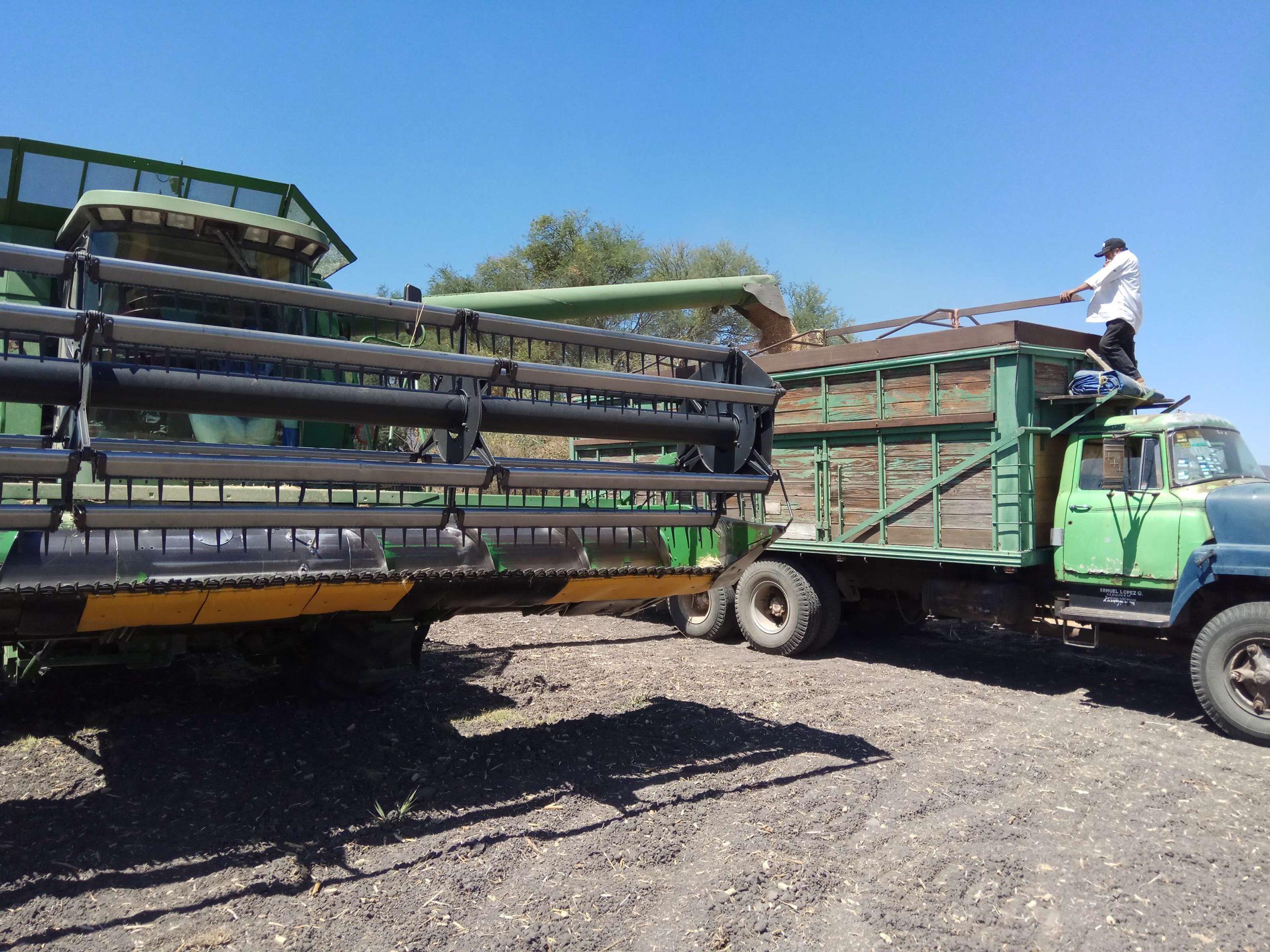
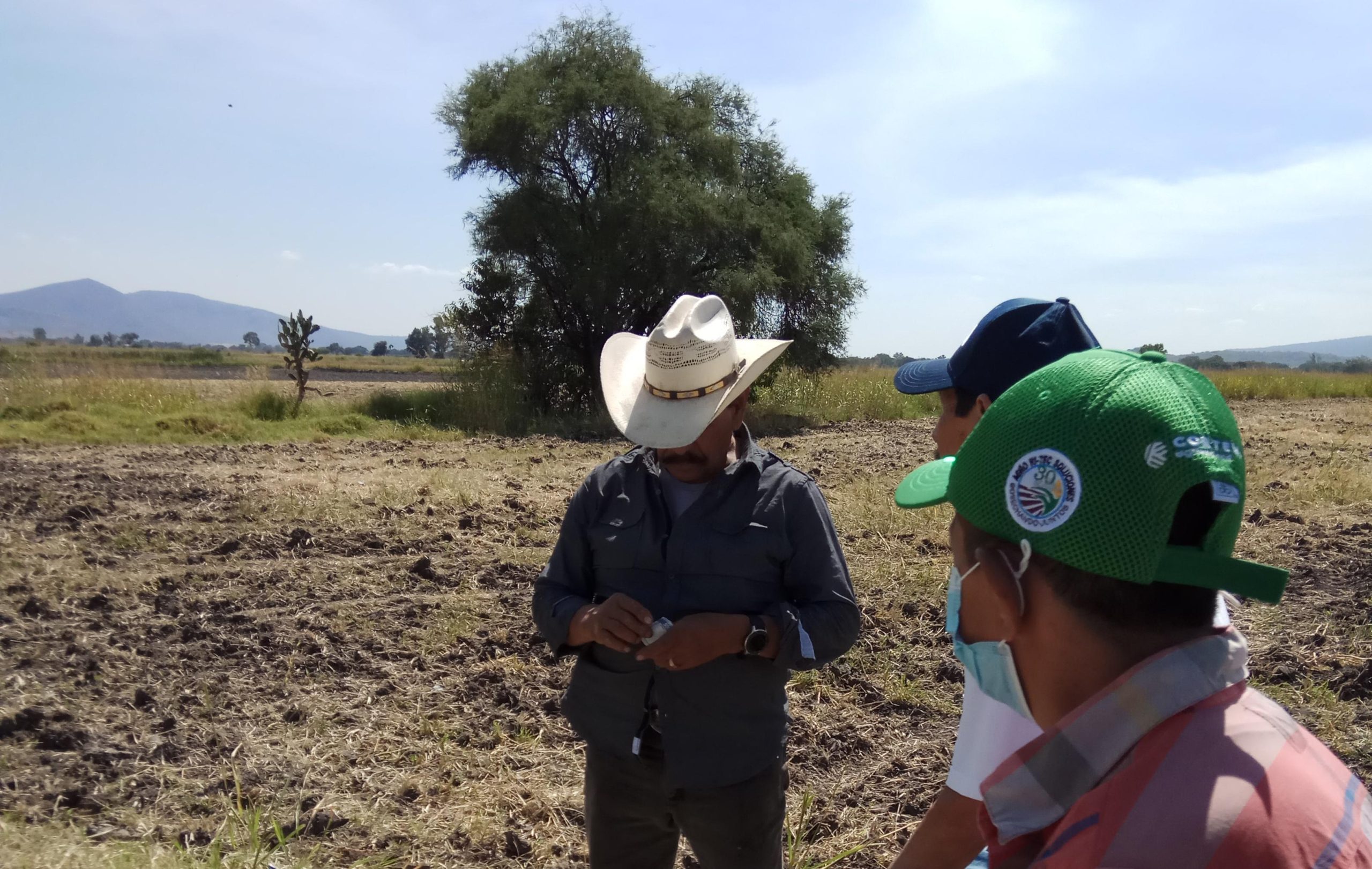
Image 15. Paying the maquila
Potrero Barranquillas, June 11, 2021.
(Pay the maquila on time) In the mid-1980s, ejidatarios purchased agricultural machinery for individual use. For various reasons, these farmers gradually lost their machinery until they became dependent on maquiladoras: owners of tractors, seeders, harvesters and other equipment that rent their services to those who require them. This is another reason why smallholdings are in decline.
Image 16. From Mesoamerican corn to hybrid seed
Potrero Barranquillas, June 11, 2021.
(There is something disturbing about the fact that private companies that commercialize hybrid corn seed own "thousands of years of knowledge accumulated by millions of producers" that have been deposited in the seed as "germ plasm" (Warman, 2003: 185). Poncitlán farmers have depended on these companies to purchase seed year after year since the mid-20th century. At that time, the hybrids were called "government corn" (Diario de campo, June 25, 2022).
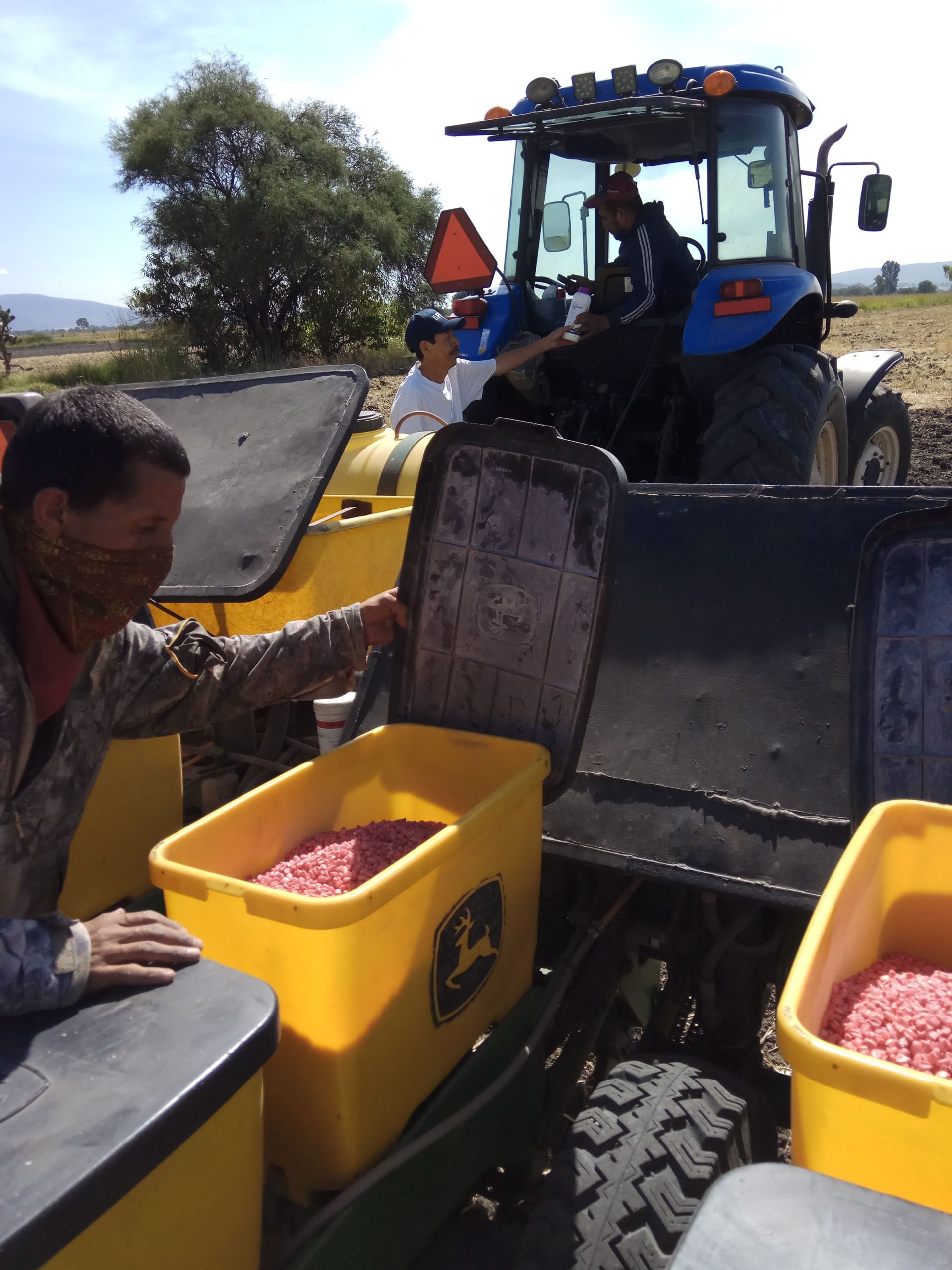
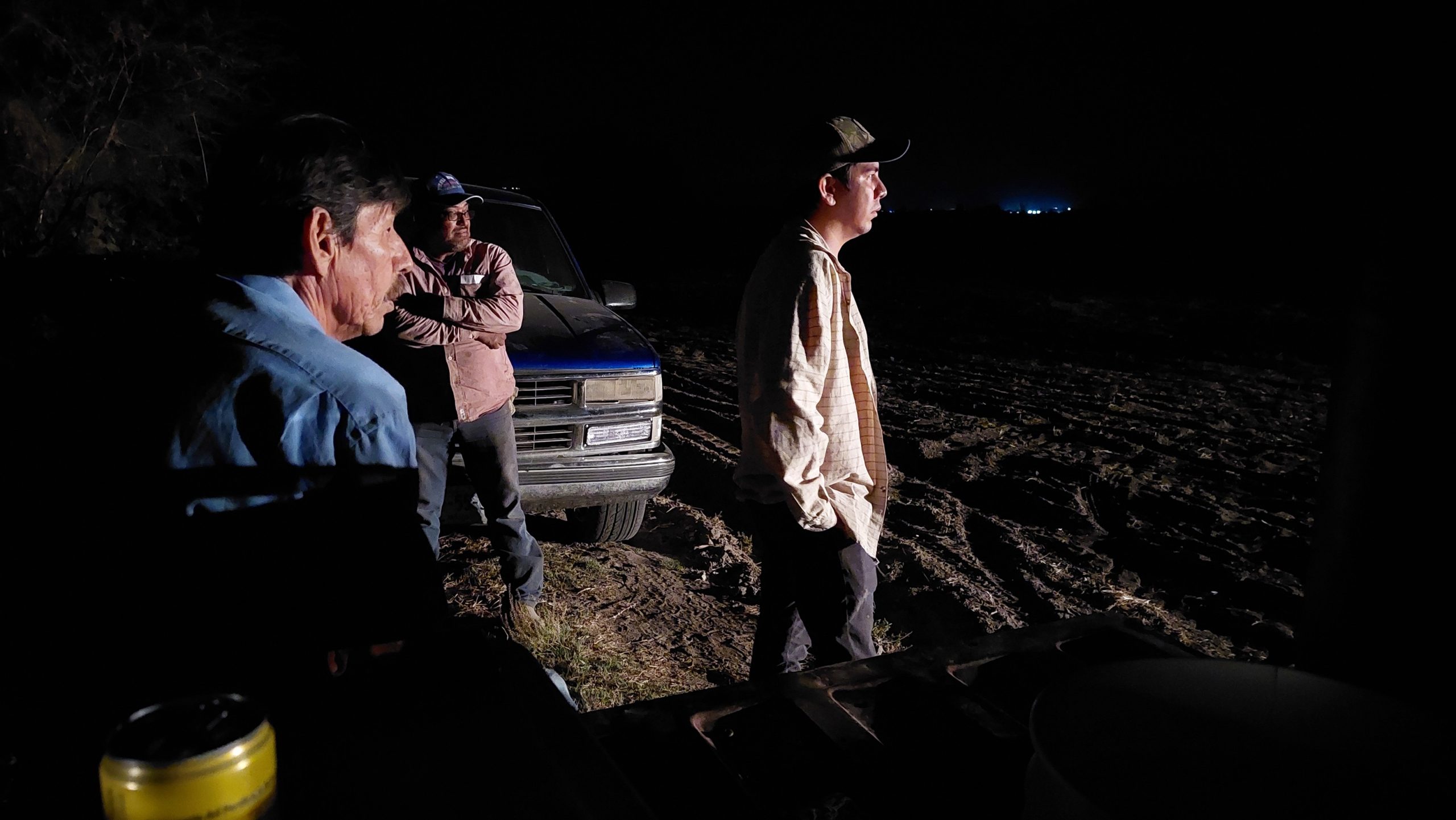
Image 17. Planting generates tension
Potrero Barranquillas, June 10, 2023.
(Farmers supervise the correct planting of corn) Corn planting begins at the end of May, when the first rains have fallen. Planting generates nervous tensions in farmers because, as one of them commented to me, "We have thrown money into the plots." The investment to produce corn in 2018 was between 20 and 30 000 pesos per hectare (Field Diary, June 2, 2018). During 2023 the investment was around 40 000 pesos per hectare.
Image 18. Planting at the time of need
Potrero Barranquillas, June 10, 2023.
(Corn planting night) You have to look to the sky for signs of the weather. In 2022 a series of storms softened the ejido's soils, then it stopped raining until well into June. The rain caused planting to be delayed and the dryness withered the plants, which were born to be exposed to an inclement sun with barely any moisture. Therefore, planting is done at whatever time is necessary, even at night, because it is imperative to deal with weather changes.
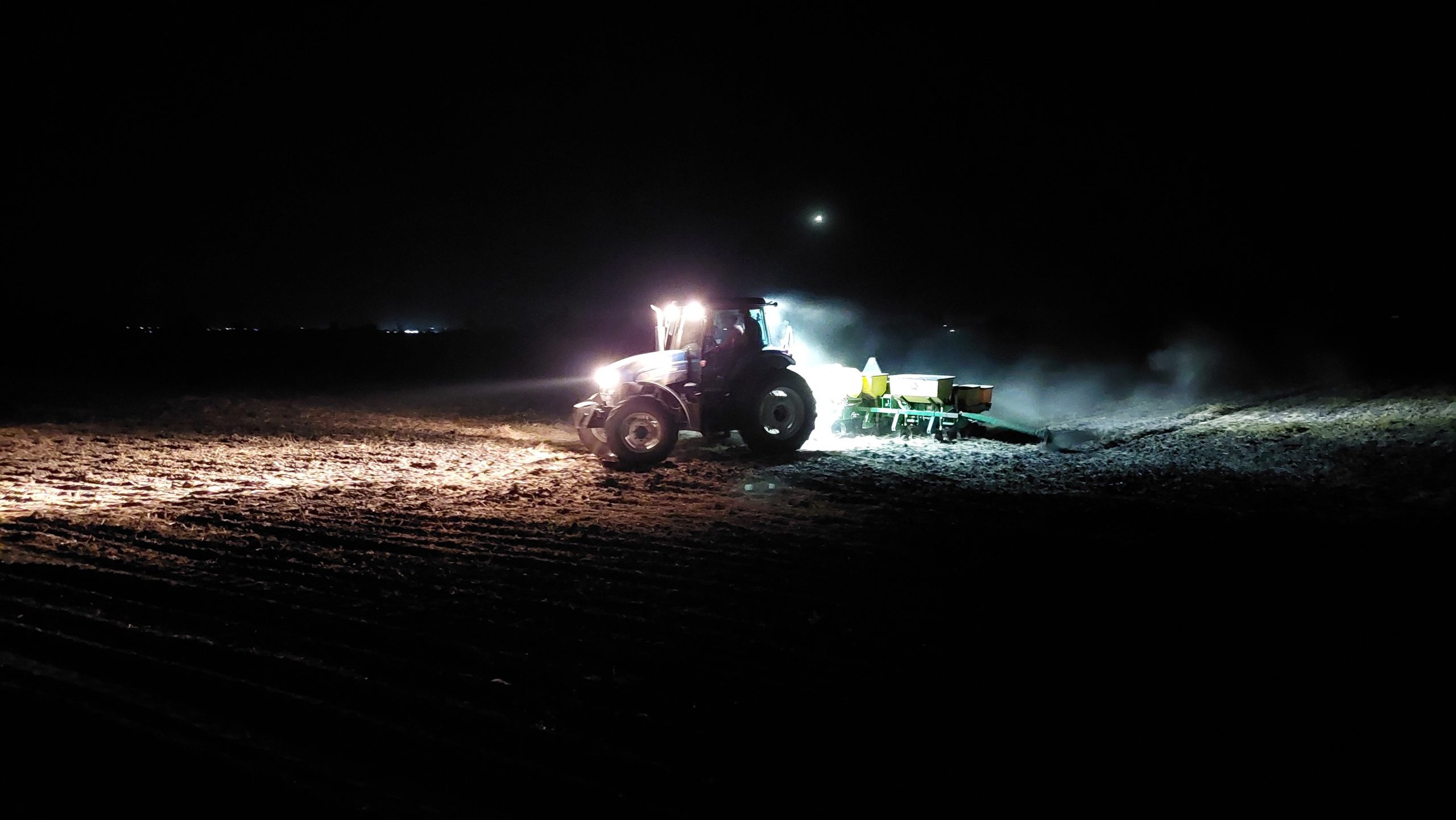
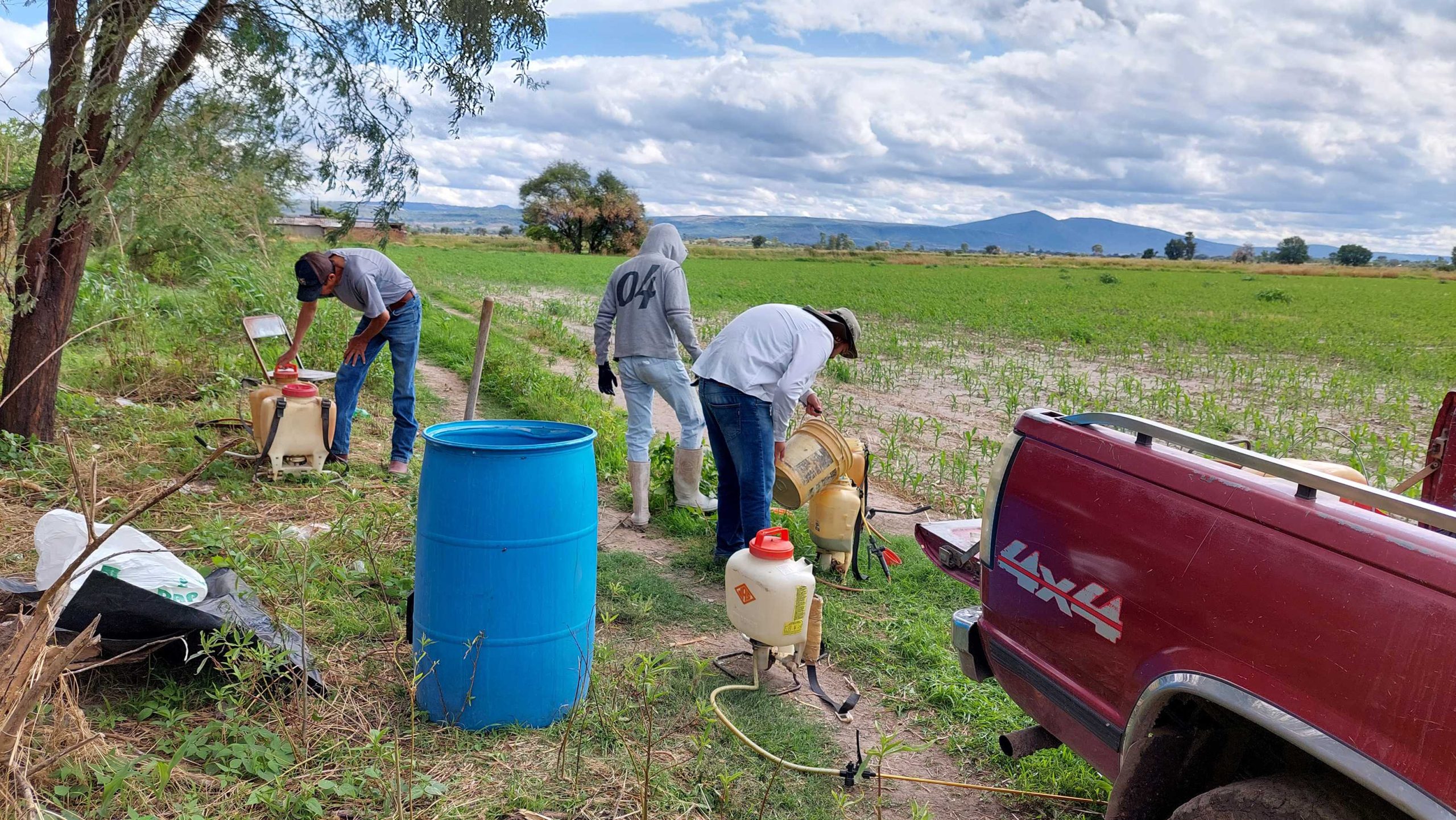
Image 19. Eliminating corn competition
Potrero Barranquillas, June 22, 2022.
(Day laborers refill spray pumps) Day laborers are in direct contact with pesticides. According to one study, 385 million people worldwide fall ill from pesticide poisoning each year (Chemnitz et al., 2022: 18). But the effects of pesticides on human health reach even urban consumers of fruits and vegetables contaminated by invisible residues.
Image 20. Burning
Potrero Barranquillas, June 22, 2022.
(The day laborers eliminate the "mostrenco") The "mostrenco" is the name given to the cornfield that is born from the corn kernels that are not harvested by the harvesting machines. It is a rebellious plant that germinates where it should not: outside the furrow lines. Farmers call the work of eliminating the mostrenco and other weeds "burning", because when the herbicide acts on the plants it dries them, coloring them gold, yellow or white. A grower asked an engineer why science has not invented an agrochemical that definitively ends this problem, to which the engineer answered between truth and jokes: "If we end up with that, what poison are we going to sell them?" (Field Diary, October 18, 2018).
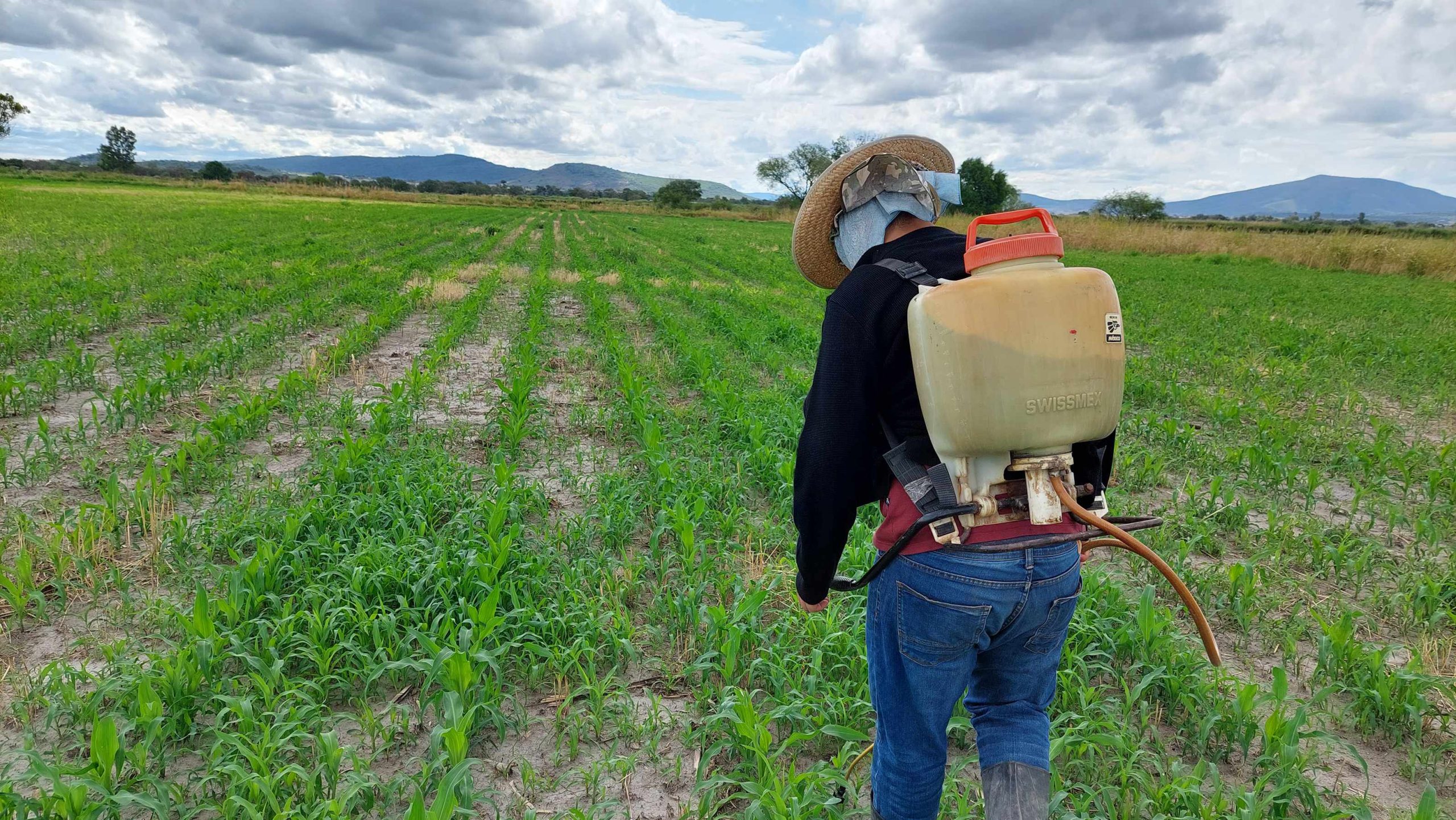
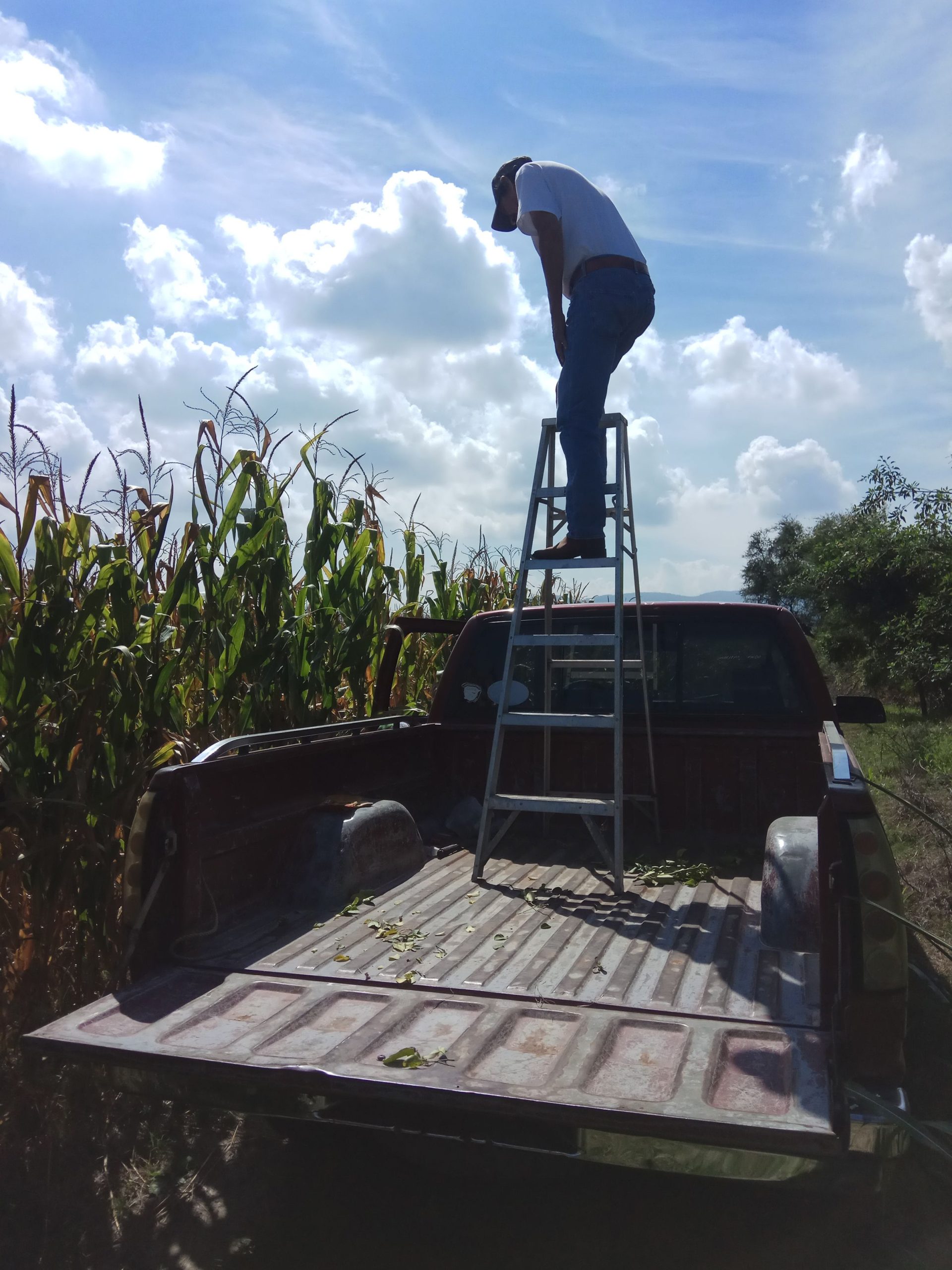
Image 21. Watching the sowing
Potrero Barranquillas, October 31, 2018.
(Above, for a better view of the plots) Farming involves see. This means walking the surface of the plot, lifting the dust, listening for misaligned furrows, pulling dying plants to the surface, pulling weeds, widening a canal with a shovel; feeling sad for the unborn plants. For this looking is a way of knowing the world, "moving it, exploring it, attending to it, always alert to the sign by which it reveals itself" (Ingold, 2000: 55). The "modern" cultivation depends on these "traditional" and sensitive intuitions.
The act of looking in agriculture
Potrero Barranquillas, February 21, 2019.
(Looking at the wheat) The act of looking in the agriculture of San Miguel Zapotitlán is a search for signs of bad entanglements of the multiple species and their seasonality. The farmer looks between the roots and the leaves: If the color is yellowish, it is necessary to fertilize. If the leaves are nibbled, it is because of worms. He is on the lookout for fungus, mayapods or budworms. He is satisfied when most of the plants are glowing dark green and the plant population in the plot looks homogeneous. How different is the observation of modern urban dwellers from that of farmers and peasants?
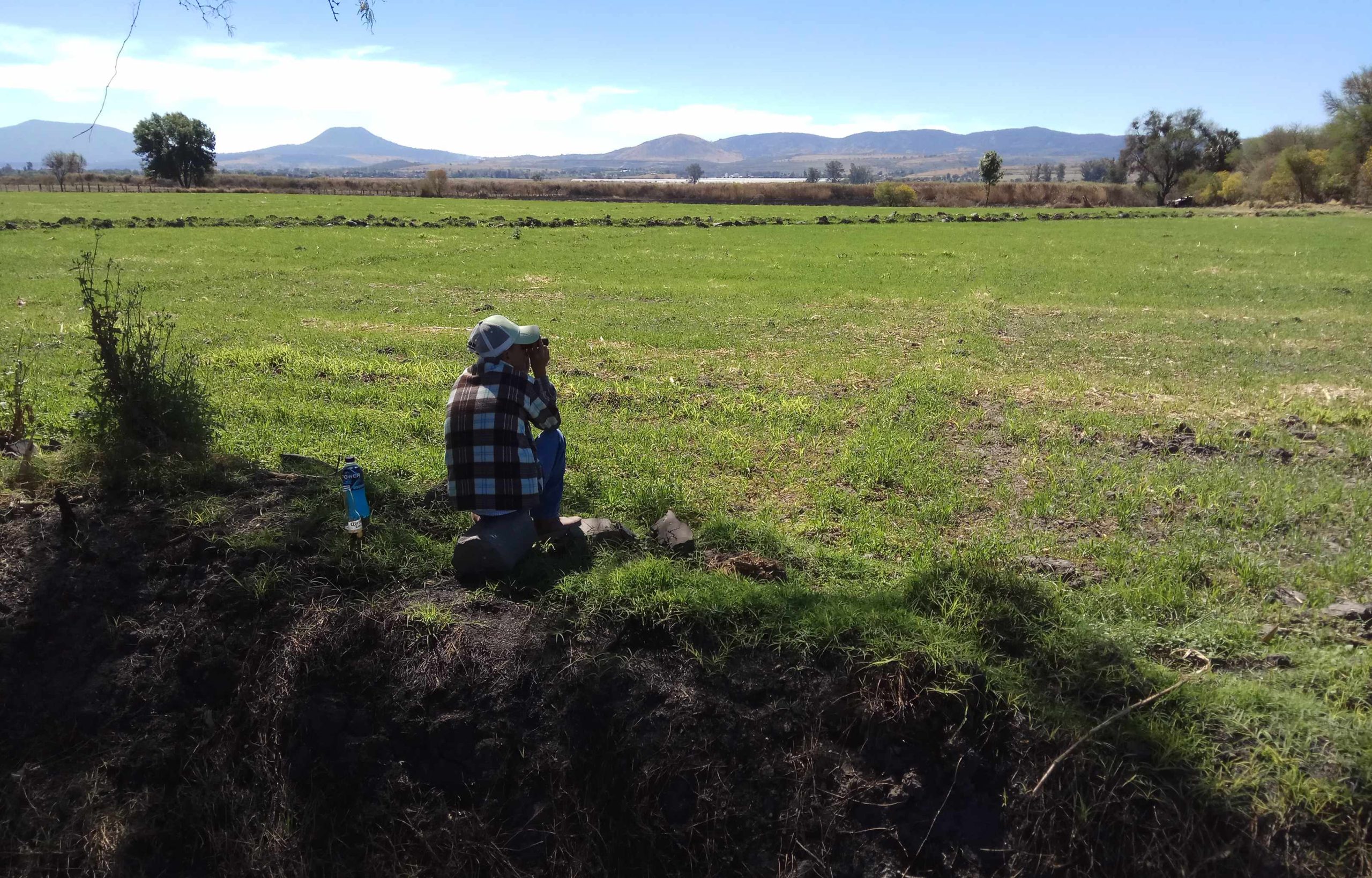
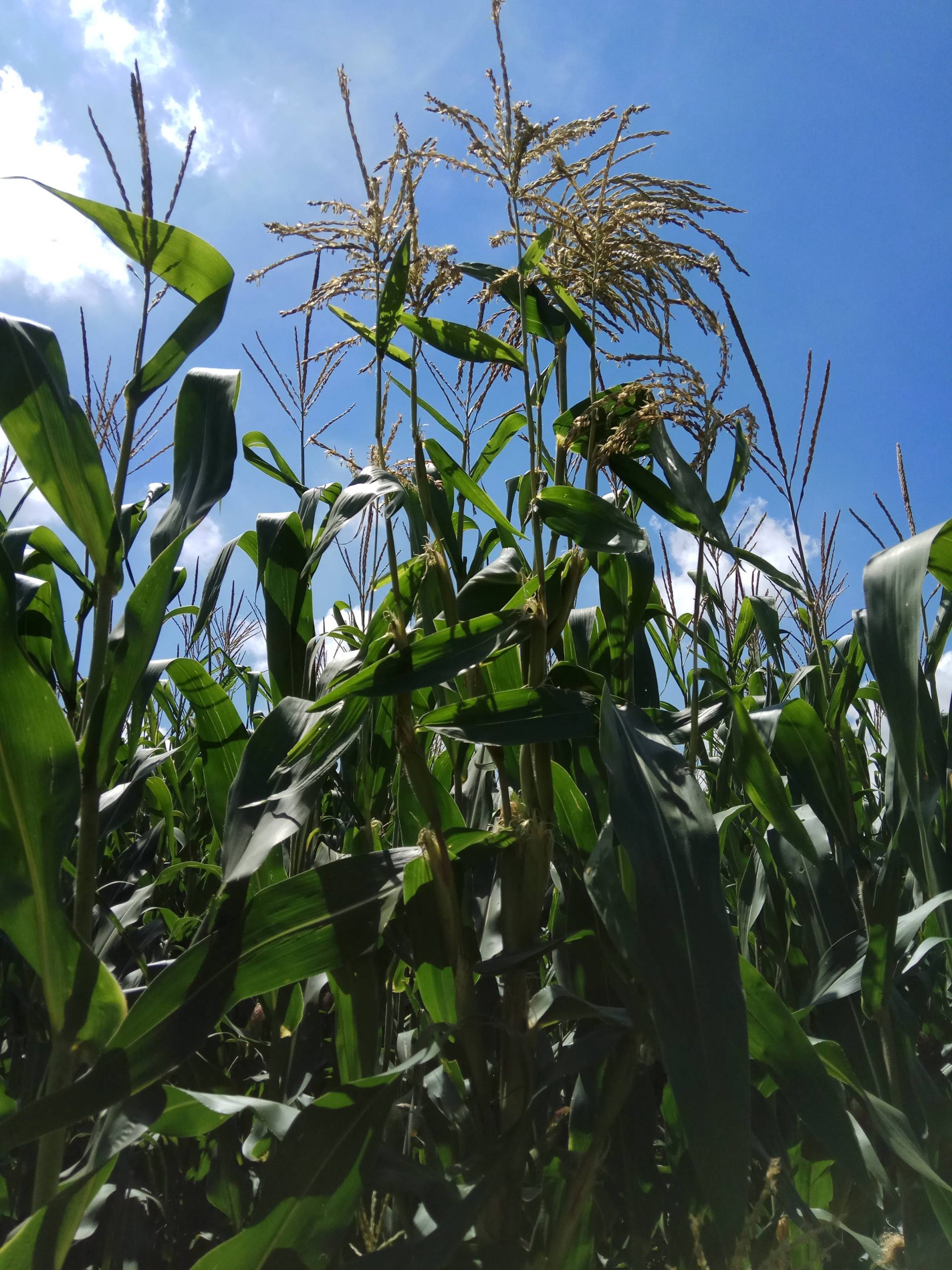
Image 23. Temporary collapse: teocintle and maize
Potrero Barranquillas, June 22, 2022.
(Teocintle among hybrid maize) The logic of modernization assumes that efficient maize varieties will replace the old, less productive ones. Teocintle, the evolutionary ancestor of corn, grows among modern hybrids on ejido land. This evolutionary "remora" resists herbicides and is visible only when its ears protrude above the corn due to its greater length, which is when farmers pull the plant. Teocintle has been mixed with hybrids such as Pioneer (Inzunza, 2013: 72).
Image 24. Chrono-naut farmers
Potrero Barranquillas, December 19, 2021.
(Harvester emptying grain into a truck) Choosing when to plant and harvest is a delicate decision that depends on weather conditions. If you sow before the onset of the rainy season, the seed will not sprout. If you wait too long, the soil is so soft that it is impossible to plant. If the corn does not dry in time, the winter rains could make harvesting difficult. The farmer becomes a chrono-naut navigating between unsubmissive temporalities, which are churning in the Anthropocene and the Plantation Era.
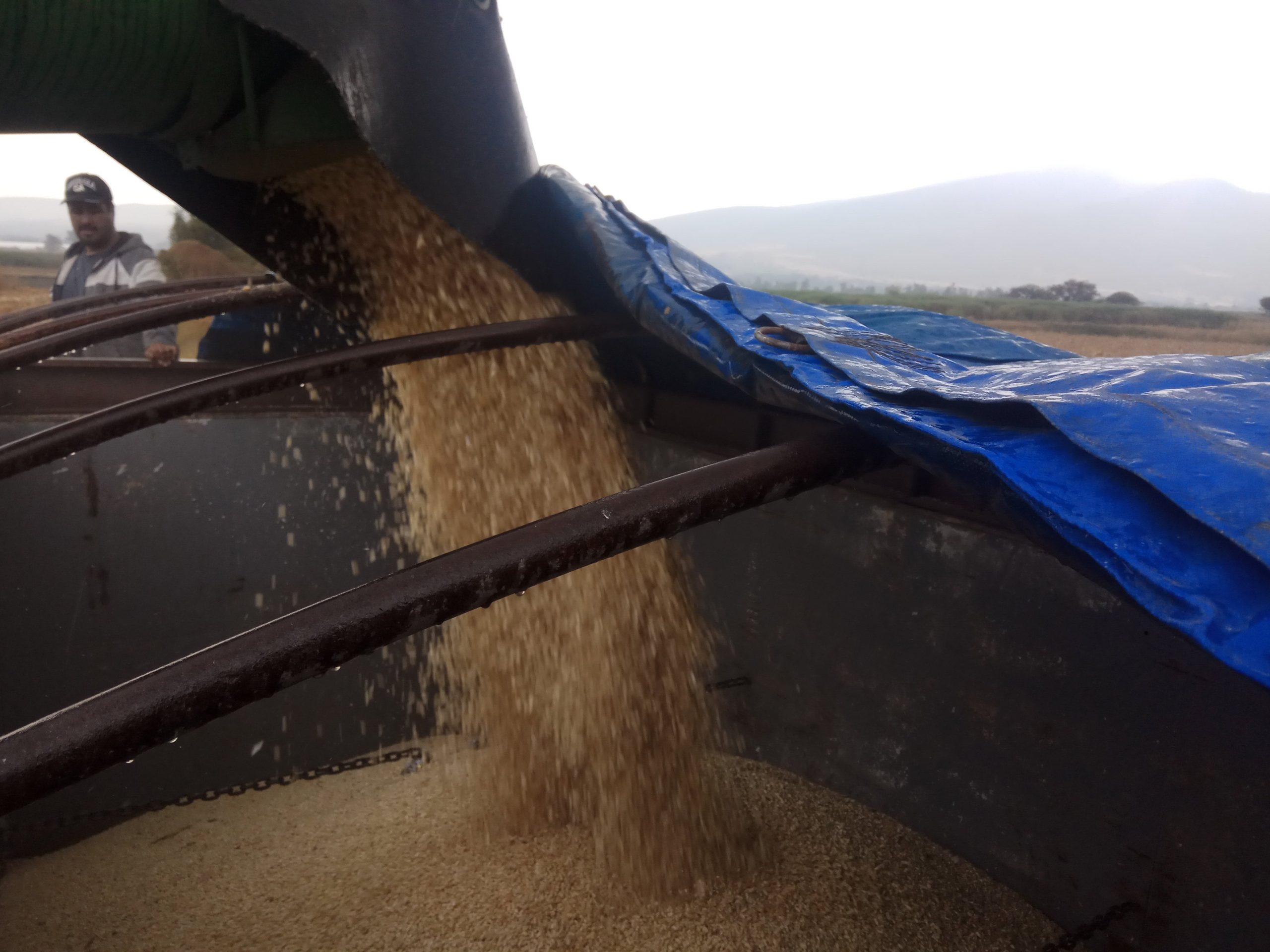
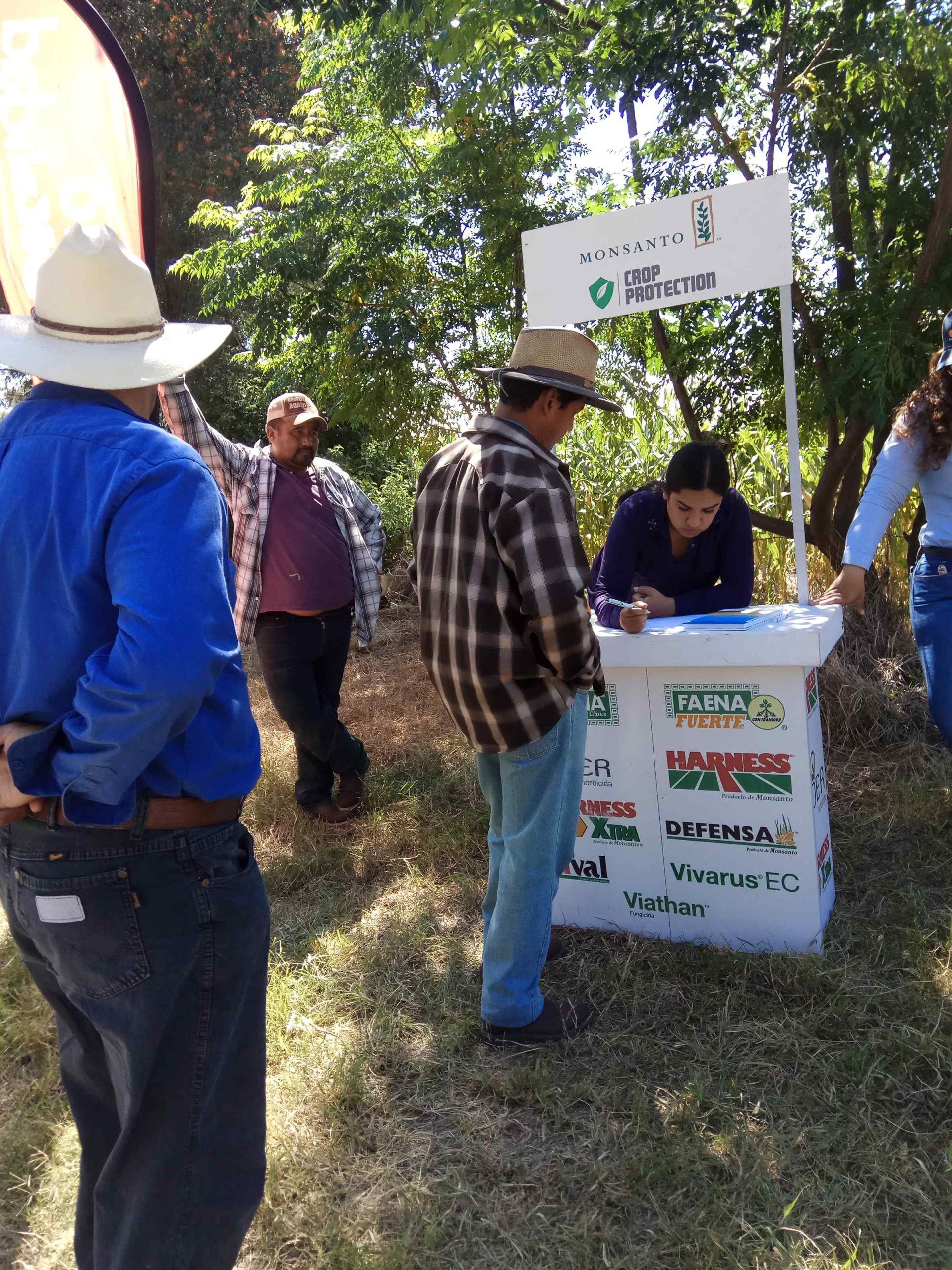
Image 25. The old new demonstrations
Potrero La Bueyera, October 09, 2018.
(Registration to attend a demonstration) Demonstrations are the old tactics of 20th century extensionism and rural communication. After World War II there was a "need" to increase food production in America, "the consequence was a strong interest in the media". In that context, "persuasion was considered the right weapon" to encourage change and "facilitate the development" of the countryside (Díaz Bordenave, 1976: 136).
Image 26. Demonstrate to sell
Potrero San Juanico, October 18, 2018.
(Engineer demonstrating the filling of the cob) In contrast to the see In the farmer's mind, demonstrations are a display of visual rhetoric aimed at convincing the farmer to buy a product or service. Agricultural engineers (formerly extensionists) are the actors who attempt to overcome the supposed "skepticism" of farm people through tactics grounded in the science of communication.
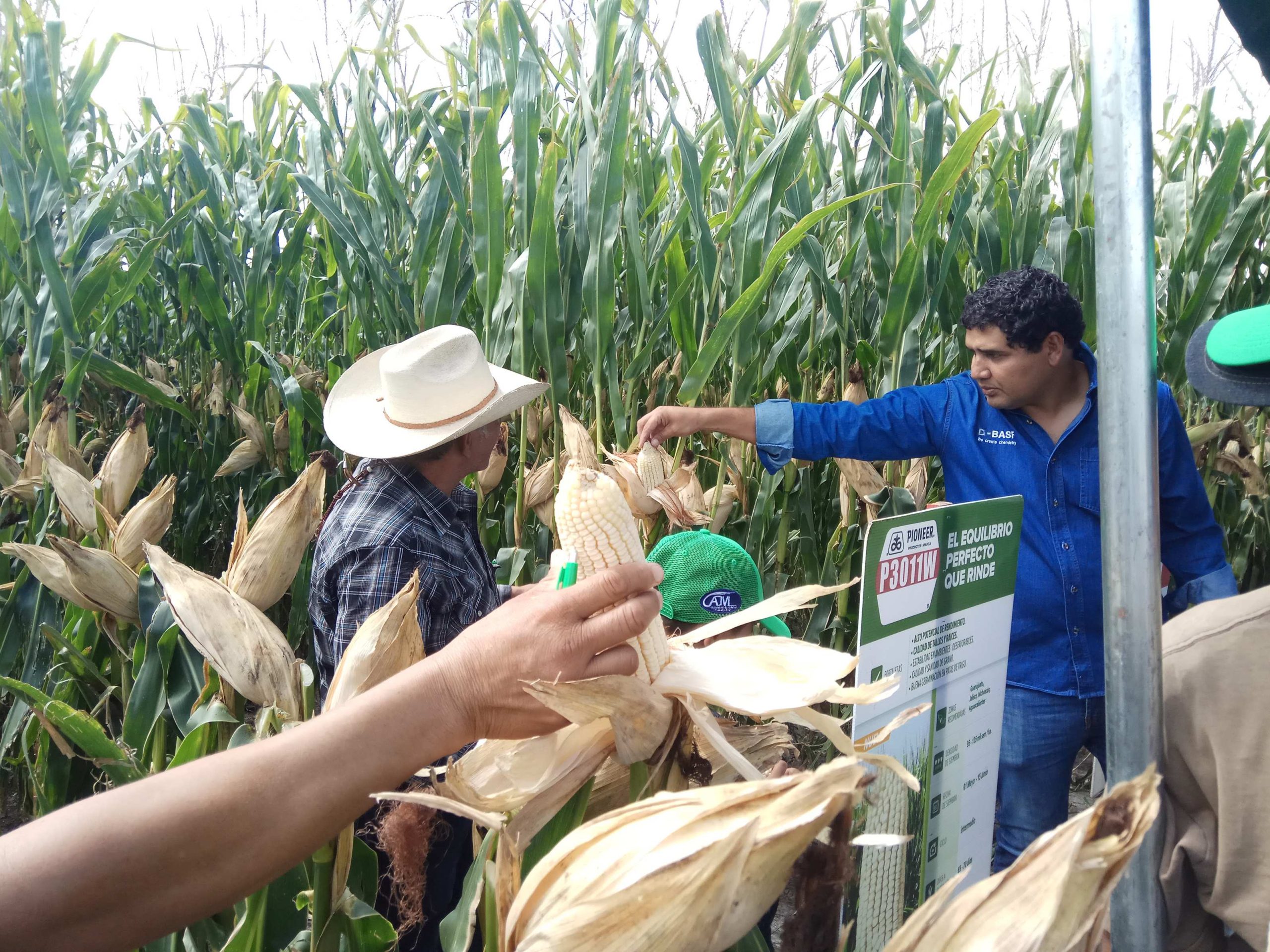
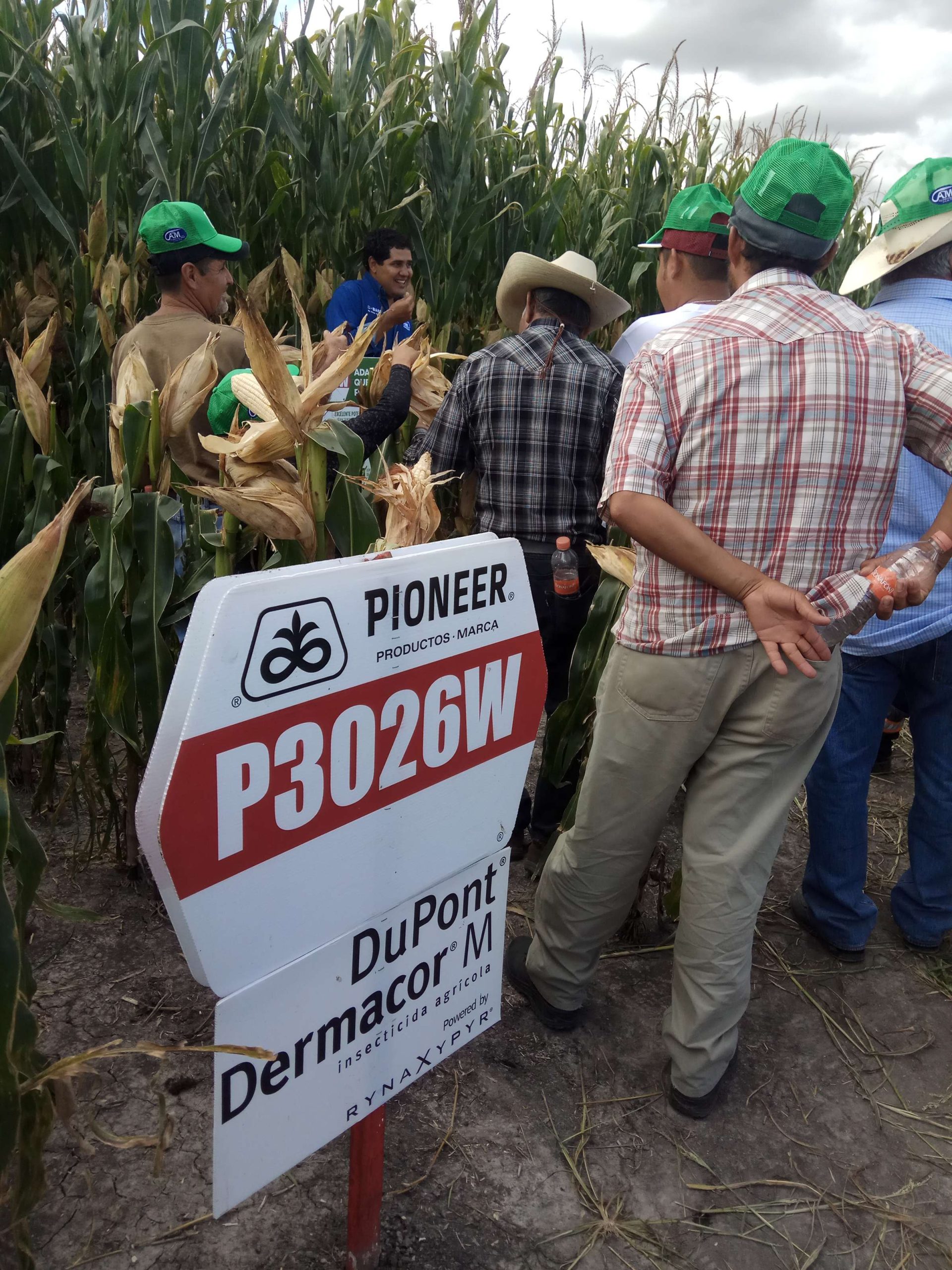
Image 27. Labels to recognize the hybrid
Potrero San Juanico, October 18, 2018.
(Engineer jokes with farmers) Agribusinesses call these scenes where the benefits of their products are demonstrated to the farmer "showcases" (Field Diary, March 15, 2024). Visual aids are essential, such as this sign indicating the variety planted: Pioneer P3026W, which is associated with DuPont's Dermacor insecticide.
Farmers' sociability and advertising
San Miguel Zapotitlán, November 4, 2022.
(Thank you lunch) Since 2019, Integradora Arca has organized the Expo Foro Maíz Amarillo in San Miguel Zapotitlán in November, a fair that links farmers with agribusinesses, insurers, financial companies and the industrial sector. As the name suggests, it revolves around the complexities of yellow corn production for industrial consumption. After conferences and demonstrations, Integradora Arca offers a meal to attendees, where the companies' colorful promotional items stand out, such as the blue and white caps of Financiera Rural (FIRA).
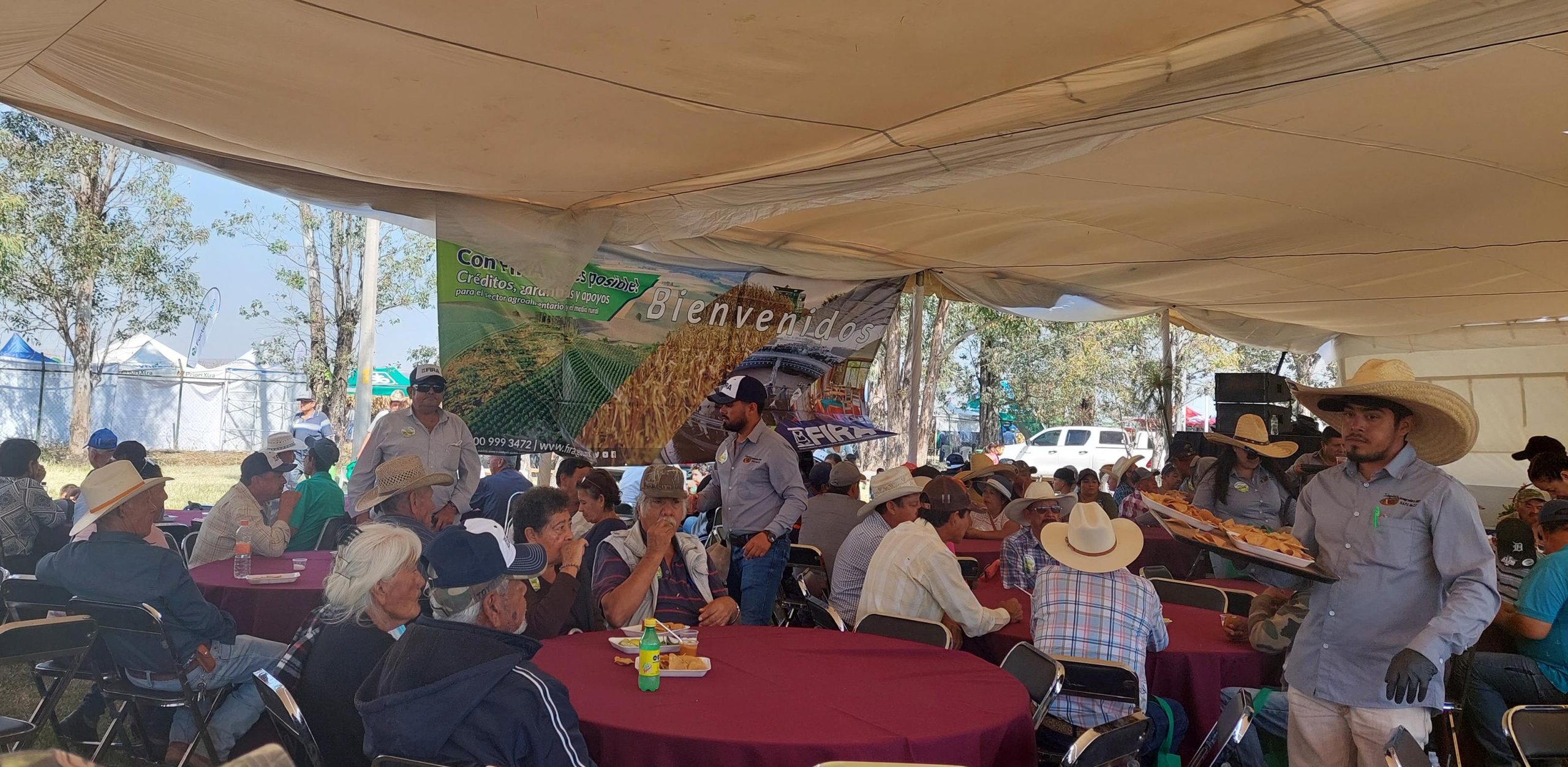
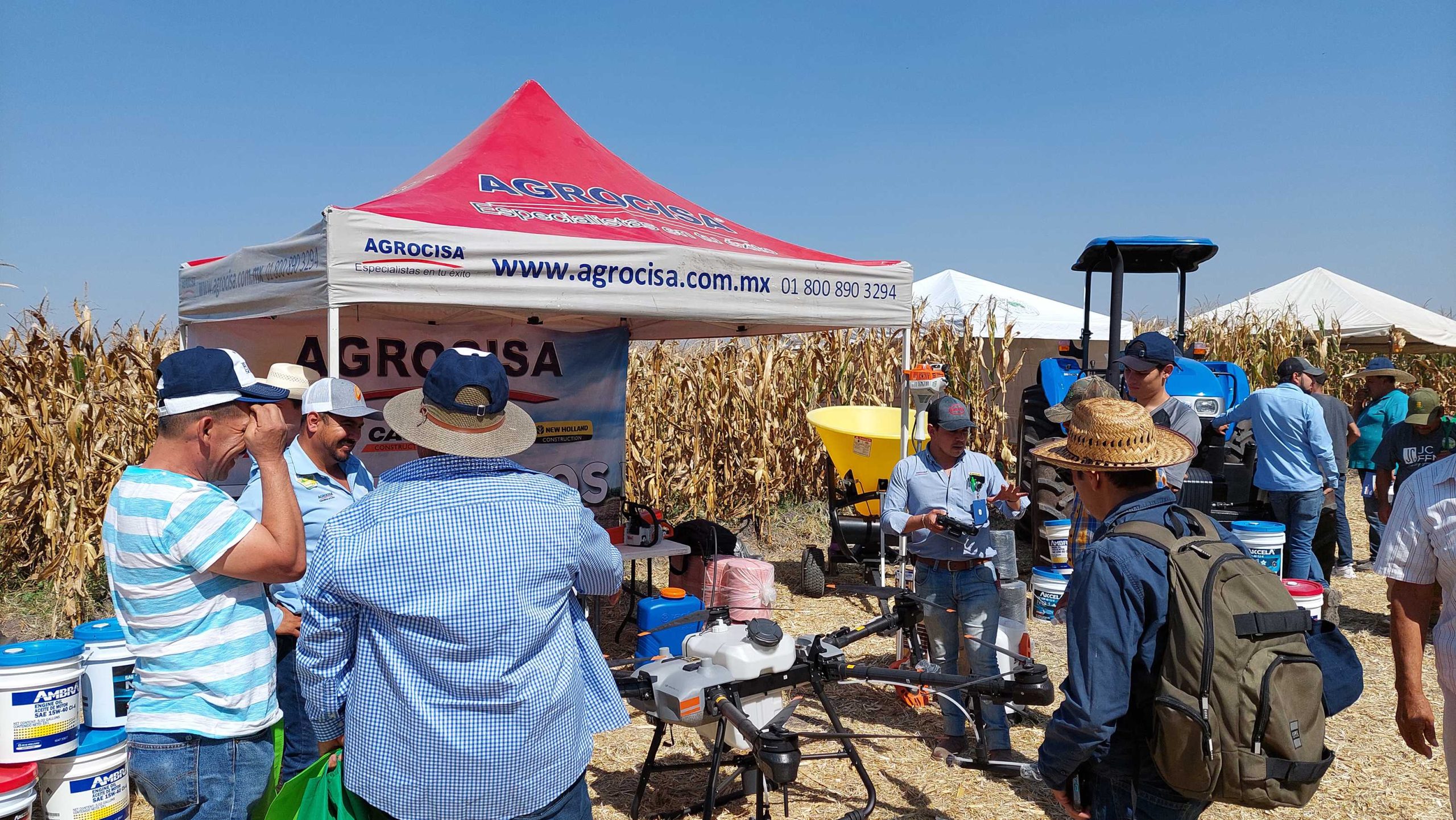
Image 29. New technologies
San Miguel Zapotitlán, November 04, 2022
(Agricultural drones for sale) In the agribusiness sector, technological determinism persists: it is assumed that new technologies increase production almost immediately. Image 29 shows the latest innovation: the crop spraying drone. Another military device that extends its applications to agriculture and adds to the list of machinism promoted by the futuristic vision of agribusiness (Marez, 2016).
Image 30. The religiosity of the tractor
San Miguel Zapotitlán, September 20, 2023.
(Entrada de Gremios San Miguel Zapotitlán) Although agriculture is a commercial activity abstracted between the past and the future, this does not mean that religious aspects are absent in its operation. Masses for good weather and petitions to San Isidro Labrador, patron saint of farmers, are common in San Miguel Zapotitlán. Religion is an integral part of grain production for the "modern" industry.
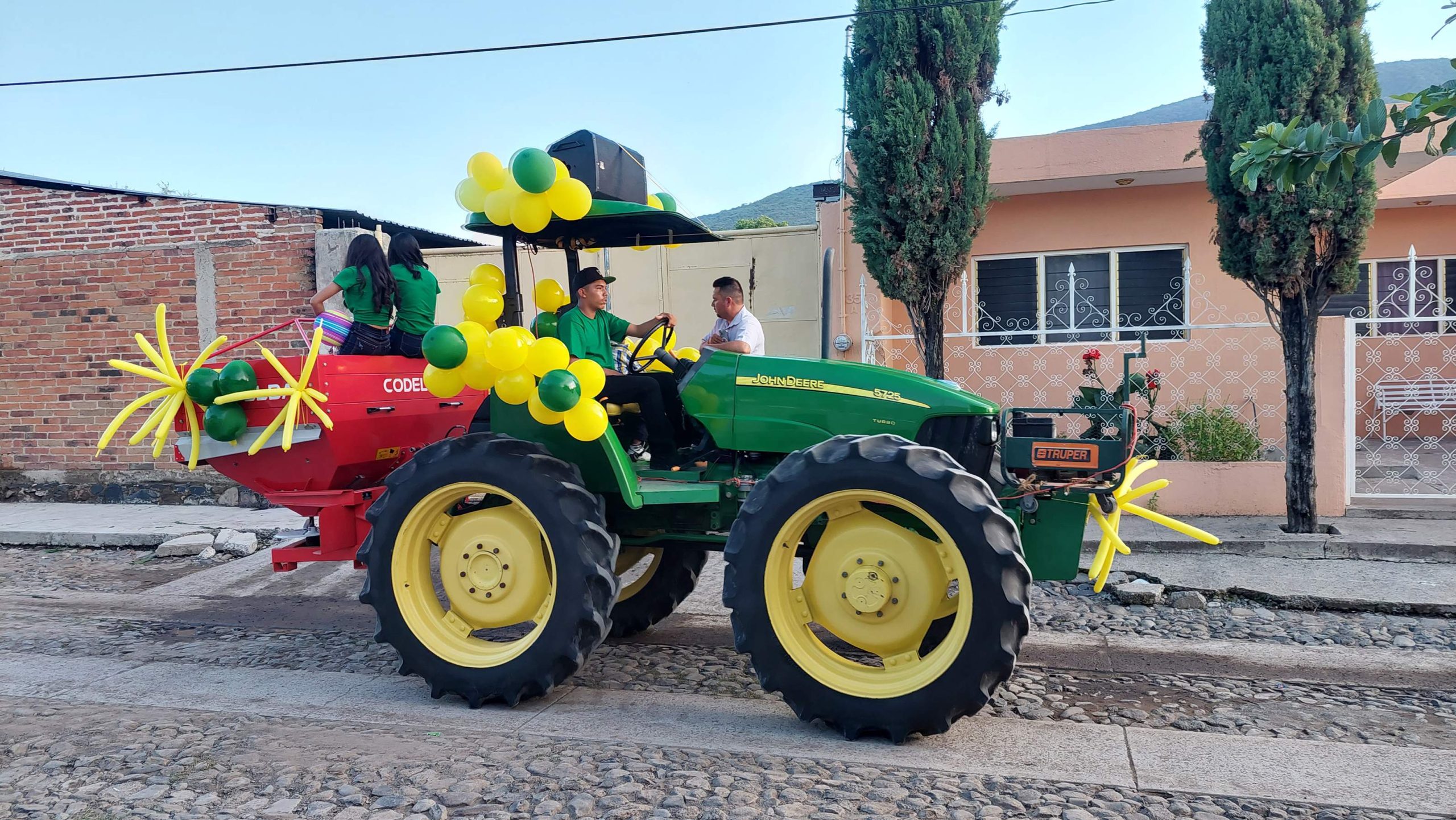
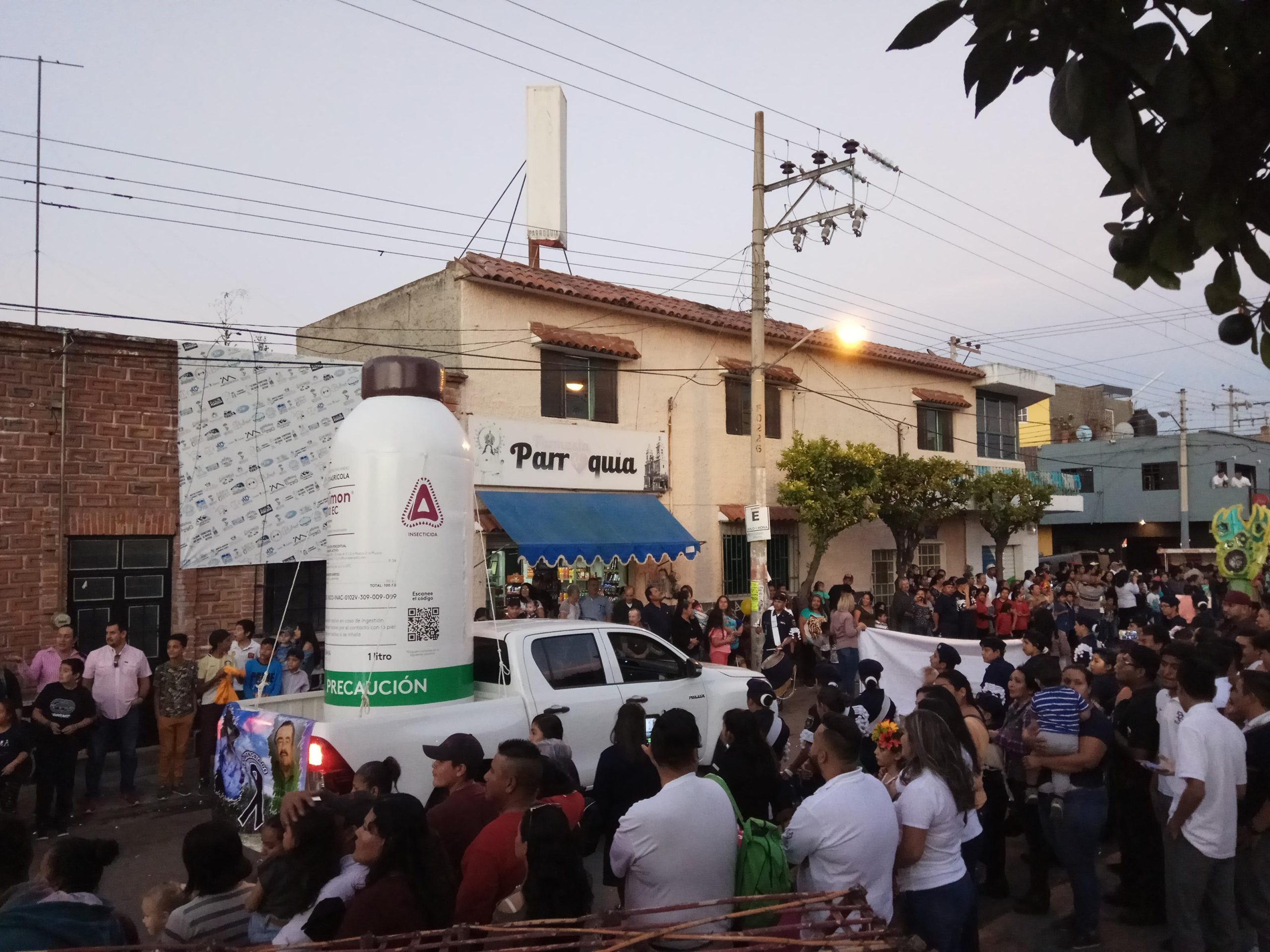
Image 31. The religiosity of agrochemicals
Poncitlán, October 09, 2018.
(Entrada de Gremios Poncitlán) Agricultural iconography crosses domains to form part of religious parades and processions. Image 31 shows a giant container of an agrochemical on top of a float that paraded in the "Entrada de Gremios", a parade that opens the feast of the Virgin of the Rosary in Poncitlán, the municipal capital. Agriculture is not only production, it is also visual culture mixed with religion.
Figure 32: The ecuaros: polycultures in oblivion
Cerro el Venadito, San Miguel Zapotitlán, March 22, 2023.
(Commercial agriculture coexists with a polyculture practice called "ecuaro". A farmer defines ecuaro as "a small piece of land to plant vegetables or corn, as if to say: "just a small piece of land to plant vegetables or corn". pa' elotes" (Diario de campo, March 6, 2019). This practice is on the verge of disappearing, although there are still a few farmers who cultivate their ecuaros. In Image 32, an ecuaro can be seen in the dry season and in the distance the plains with wheat.
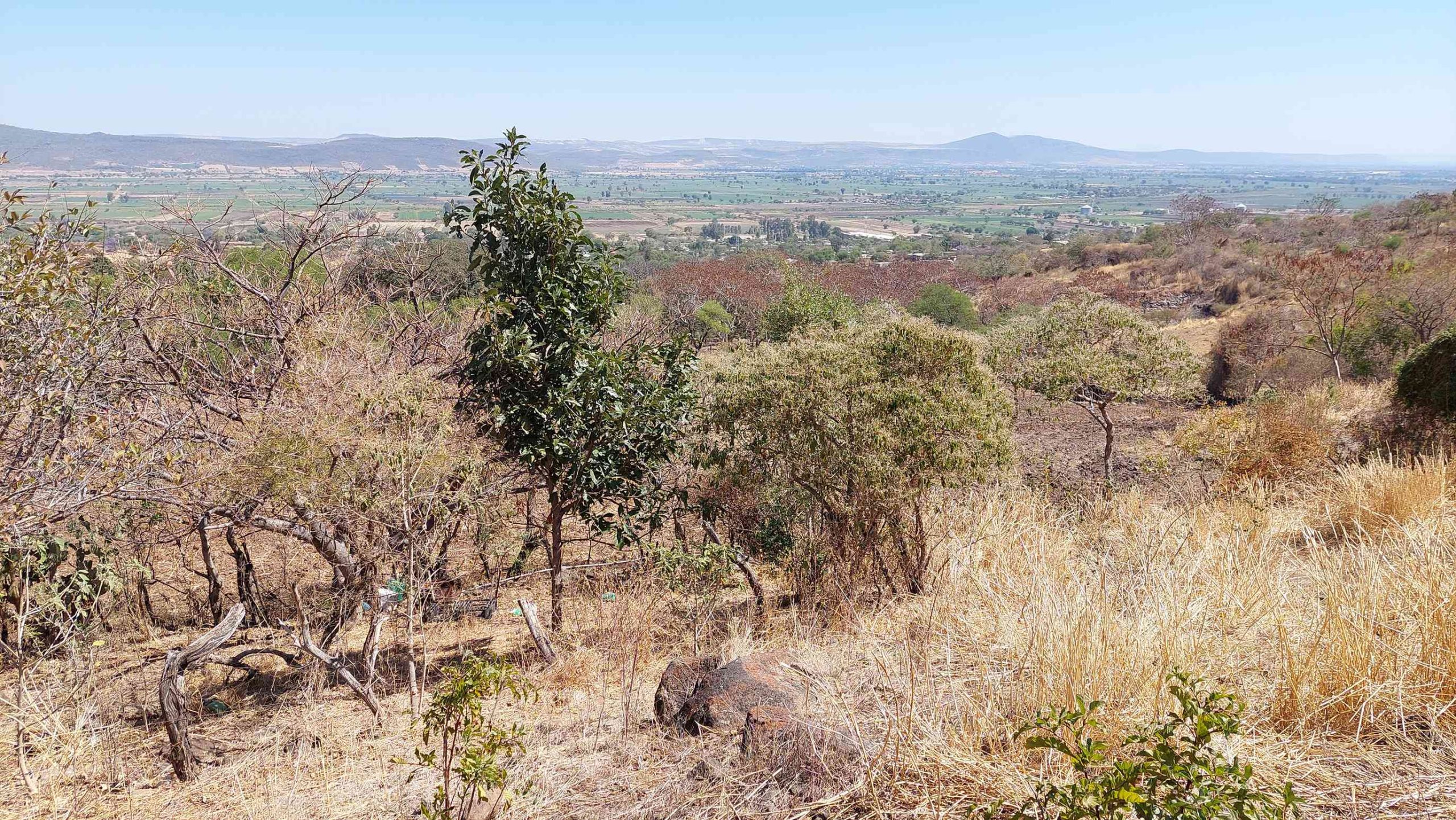
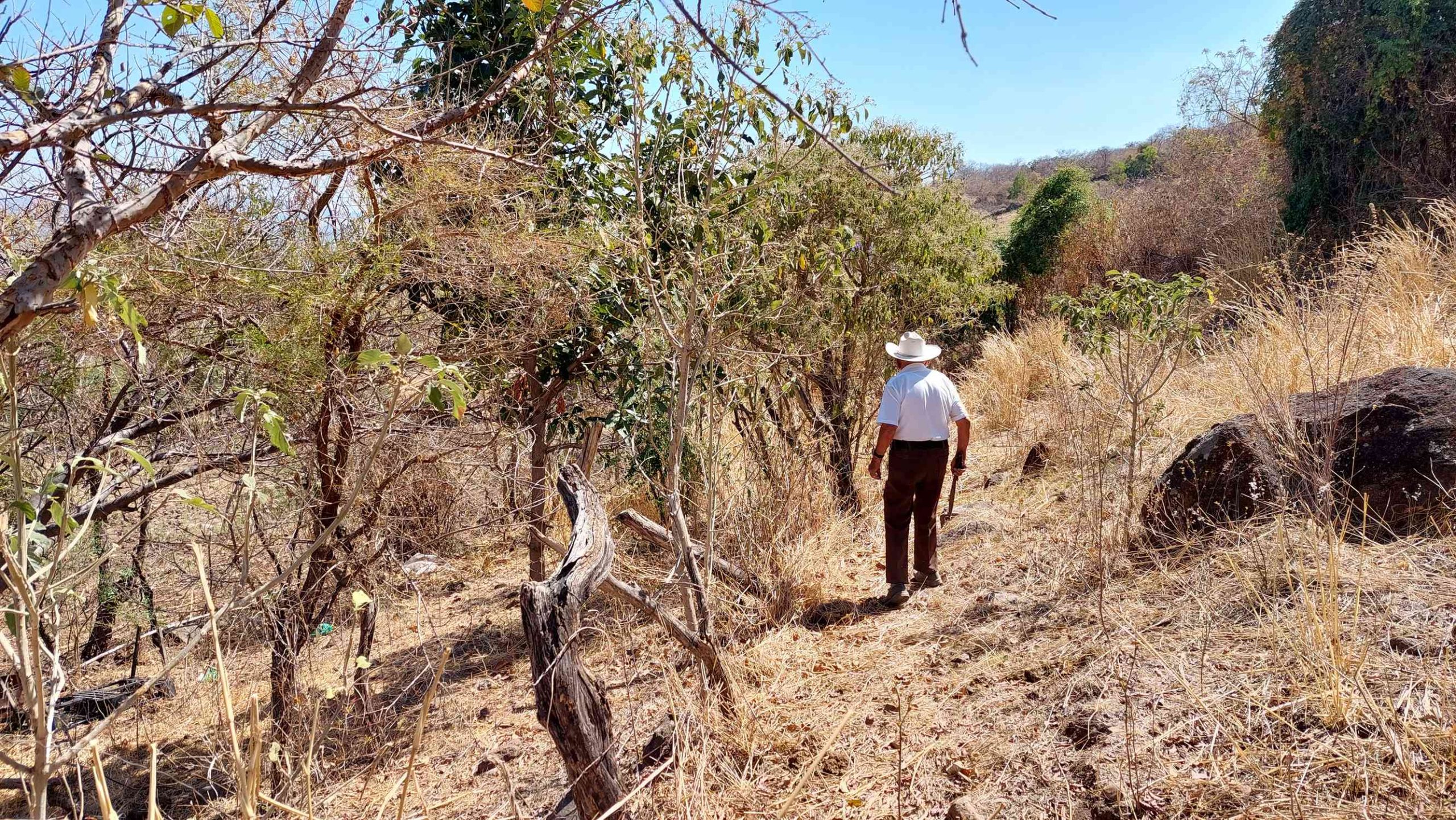
Image 33. Diversity even in the drought
Cerro el Venadito, San Miguel Zapotitlán, March 22, 2023.
(Ecuaro del tío Conrado) The peasants were expert makers of multi-species arrangements before monoculture. Ecuaros have been characterized as "agroforestry systems" where "a large number of perennial and annual plants, wild and domesticated, [as well as] species with different uses" coexist (Moreno-Calles et al., 2016: 5). In this, polycultures are different from monocultures, where the survival of wheat and corn is assured, but not of other species. Image 33 shows the living fence formed by timber and fruit species.
Image 34. Equaro and clearing
Cerro el Venadito, San Miguel Zapotitlán, March 22, 2023.
Before planting the cornfield, the farmer "cleans" the land. He cuts the species considered weeds, while tolerating other useful plants, with this action he creates the landscape from the existing biodiversity. Image 34 shows the nopal cactus, called blanco, which is highly valued in local cuisine for its flavor and texture.
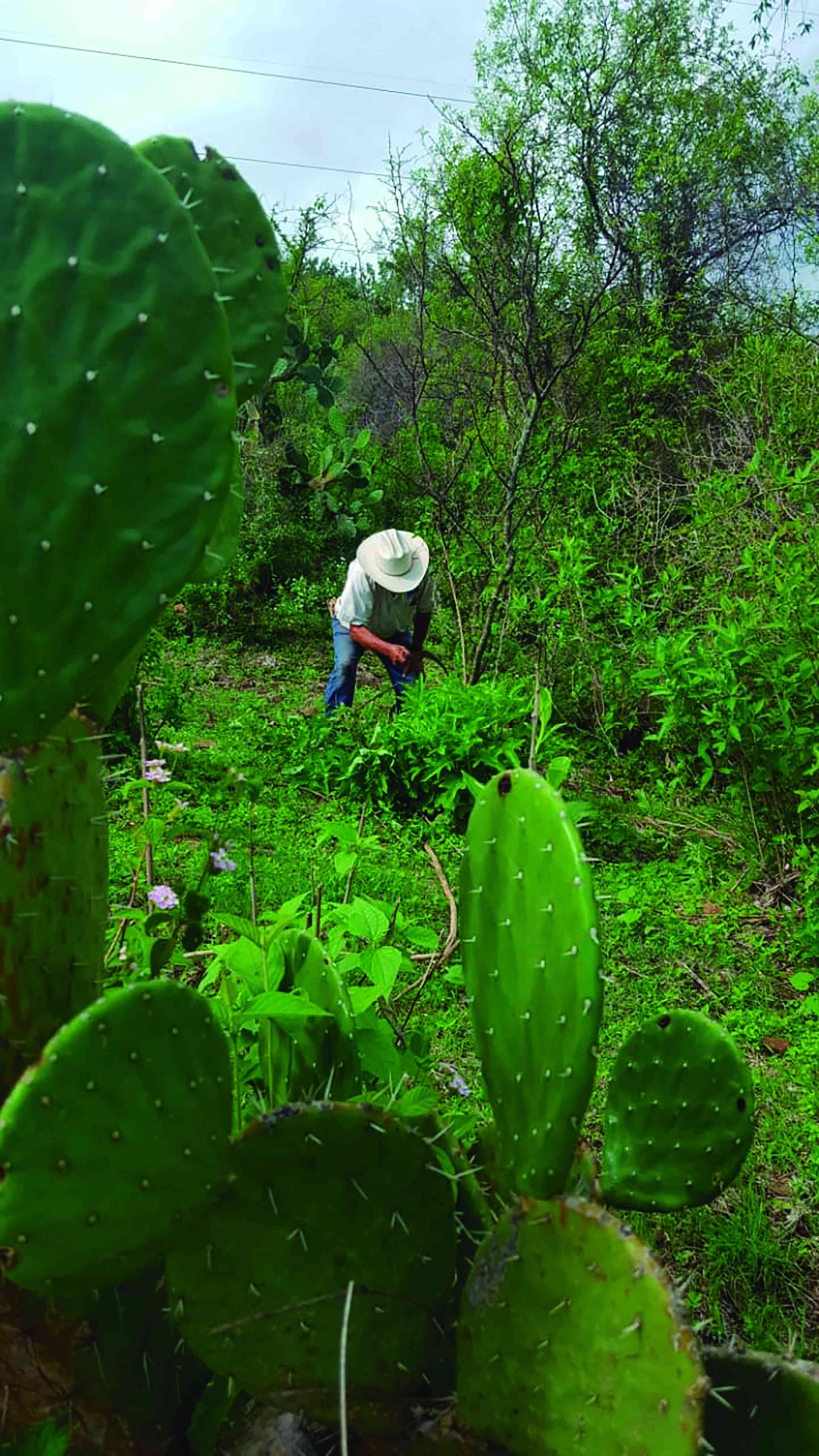
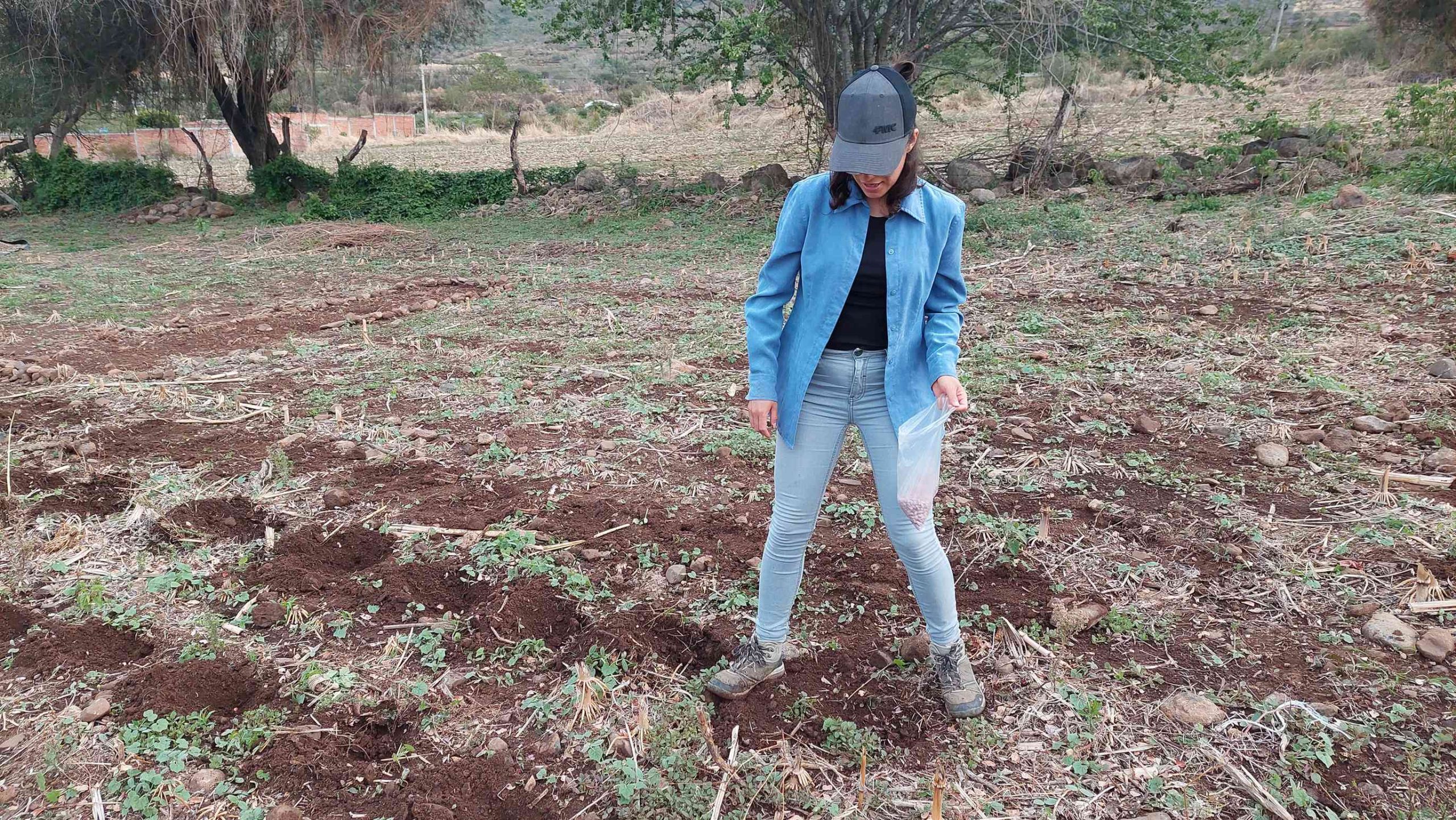
Image 35. New farmers
San Miguel Zapotitlán, June 16, 2022.
(Mariana planting a new ecuaro) The pandemic publicized the "return to nature" at the level of popular discourse. However, this phenomenon is relatively common in post-industrial societies where "neo-peasants" and "neo-artisans" claim local knowledge and praxis by returning to the rural world from the cities (Chevalier, 1998:176). In Image 34, Mariana covers up the holes - dug with a hand tool called a hoe - where she deposited the seeds in the hope of harvesting.
Old and new associations
San Miguel Zapotitlán, August 24, 2023.
(Association of corn, zinnias, pumpkins and beans) The new farmers learn to cultivate the milpa by listening to the teachings of the old farmers, but also through YouTube videos, which were filmed by people who practice permaculture in Chile or Spain. So the milpa becomes a laboratory of experimentation - as it has been for millennia - where new associations between living beings are assembled and global paths are traced that are different from those of monoculture.
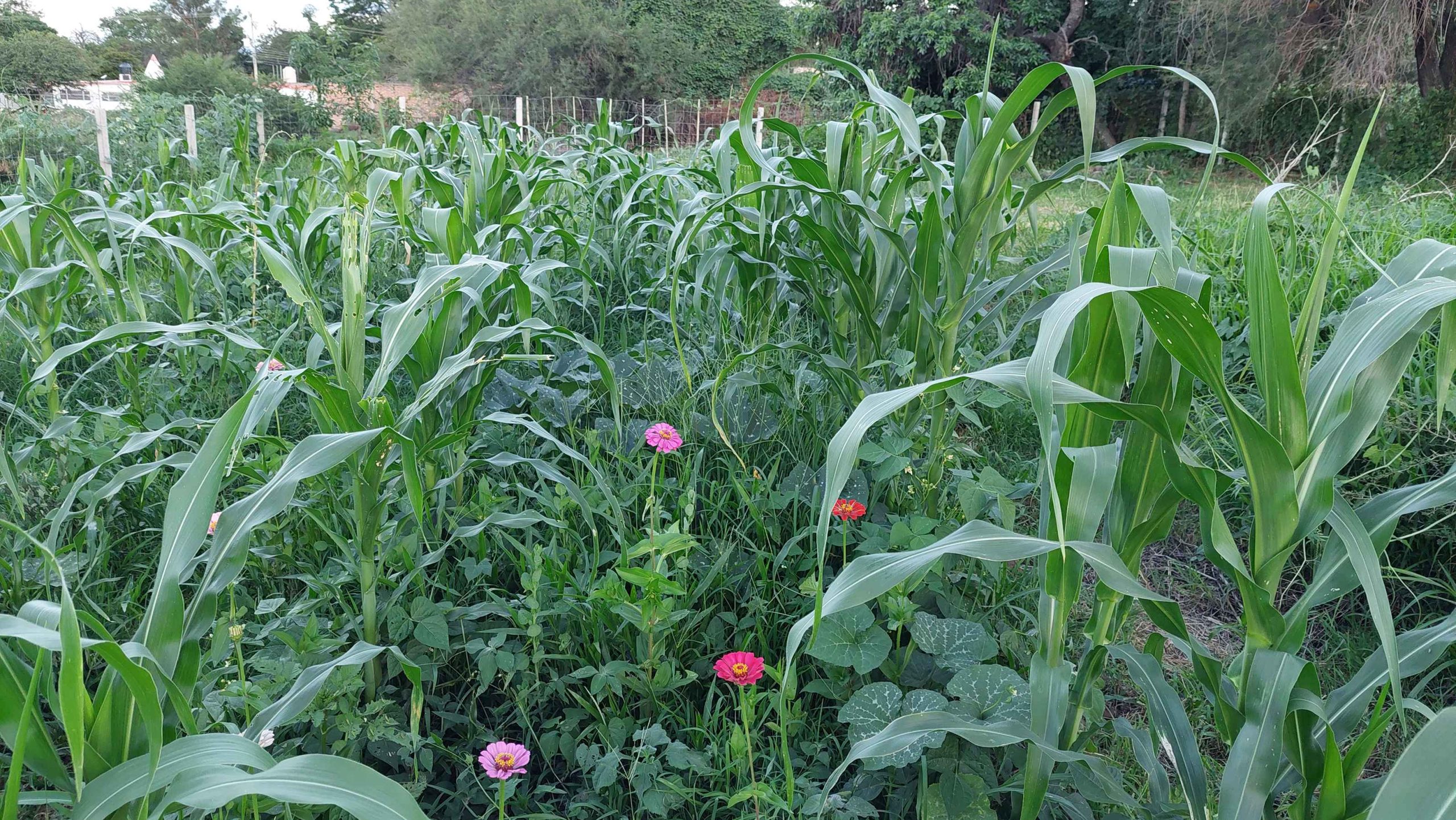
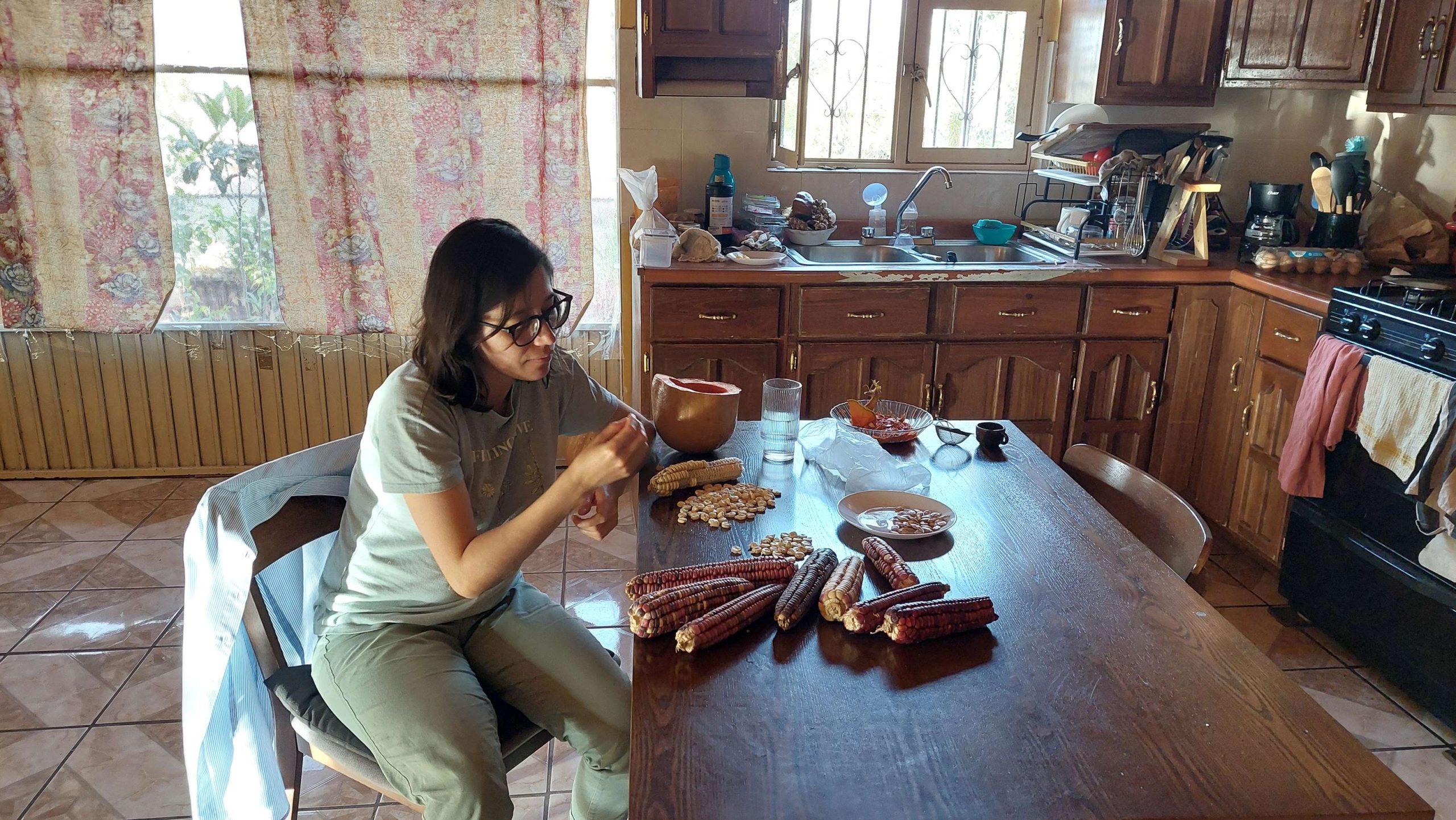
Image 37. Emotive seed selection
San Miguel Zapotitlán, March 9, 2024.
(Mariana selecting the seed) The seeds that are sown in ecuaro agriculture have been selected by farmers for dozens of years. Their genetic history is reason enough to promote their care. Even in the midst of this region where agriculture is becoming more and more technified and commercial, people conserve local varieties of bean, squash and corn seeds, and plant them wherever soil is available. This popular mode of seed conservation could ensure the preservation of native maize.
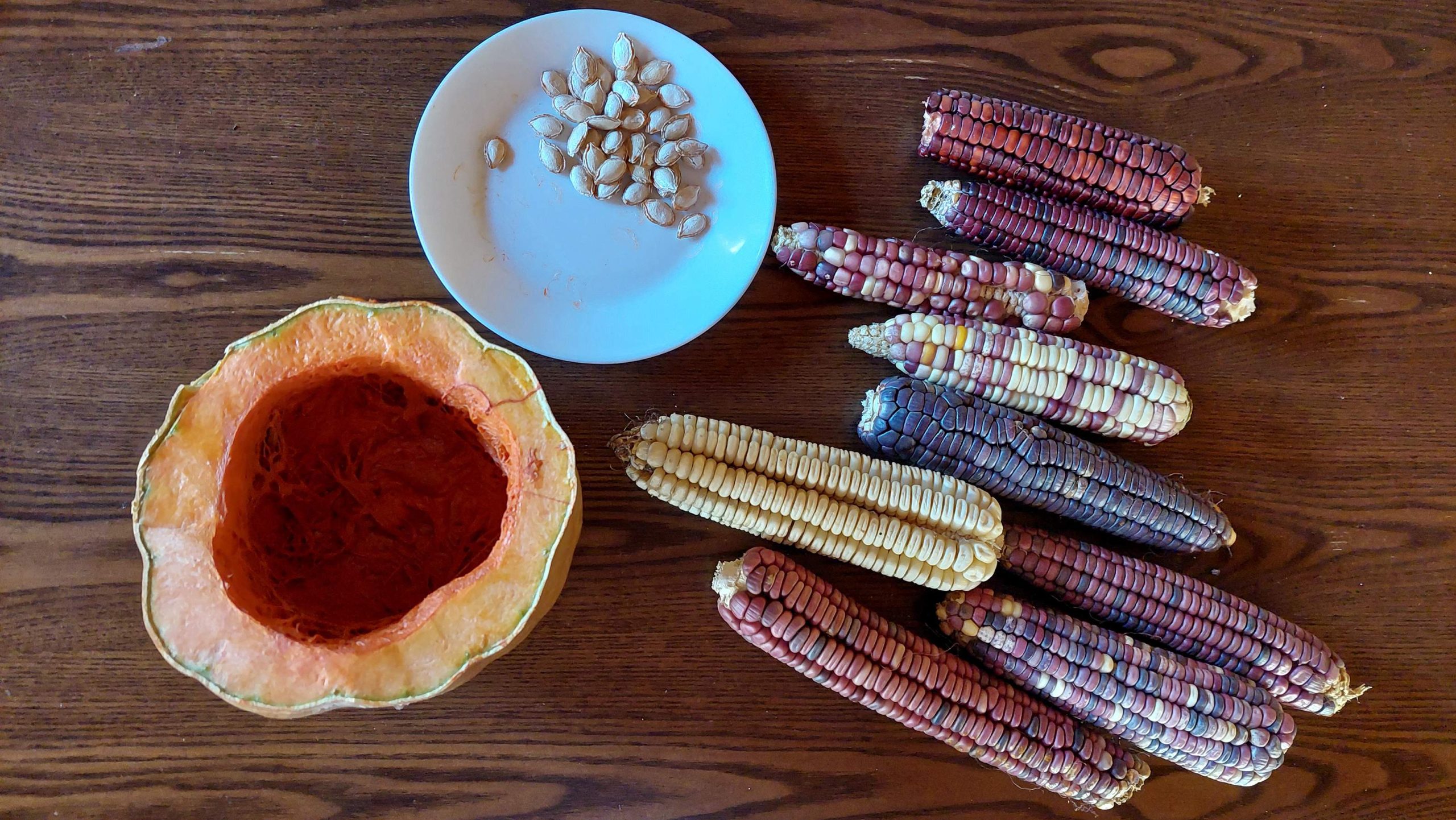
Image 38. The milpa beyond yields
San Miguel Zapotitlán, March 9, 2024.
(Pumpkin and its seeds next to multicolored cobs) An essential question in agrarian economic history is whether the milpa is productive. If one compares the harvest of the ecuaros with the yield of monocultures, the answer is no. The monoculture is designed to produce massive quantities of raw material for raw material for the monoculture. The monoculture is designed to produce massive quantities of raw material for industry. In comparison, there are not even accurate figures on production in ecuaros. But what is lost in quantity with polycultures, is gained in diversity and wholesomeness: the taste of pumpkins or corn without pesticides is unbeatable. And the relationships between humans and non-humans intensify around the cultivation and sharing of these foods.
Bibliography:
Chemnitz, Christine, Katrin Wenz and Susan Haffman (2022), Pestizidatlas. Data and facts about the facts in the world.Heinrich-Böll-Stiftung; Bund. Friends of The Earth Germany; PAN Germany; Le Monde Diplomatique. Retrieved from: www.boell.de/pestizidatlas.
Chevalier, Michel (1993). "Neo-rural phenomena", in. L'Espace géographique. Spaces, modes of useSpecial issue, pp. 175-191. Retrieved from: https://www.persee.fr/doc/spgeo_0046-2497_1993_hos_1_1_3201
Clément, Gilles (2021). The garden in motion. Barcelona: Gustavo Gili.
Díaz Bordenave, Juan (1976). "Communication of Agricultural Innovations in Latin America.
The Need for New Materials," in Communication Researchvol. 3, no. 2, pp. 135-154.
García Solís, Georgina Iliana (May 8, 2020). Without shortage, blue agave becomes 3 thousand% more expensive. UDG TV. Retrieved from: https://udgtv.com/noticias/sin-desabasto-el-agave-azul-se-encarece-en-3-mil-/168584
Index Mundi (2024). Urea monthly price. Mexican peso per ton. Retrieved from: https://www.indexmundi.com/es/precios-de-mercado/?mercancia=urea&meses=60&moneda=mxn
Ingold, Tim (2000). The Perception of the Environment. Essays on Livehood, Dwelling and Skill.. London: Routledge.
Inzunza Mascareño, Fausto R. (2013). "Hybridization between teocintle and maize in the Ciénega, Jal., Mexico: narrative proposal of the evolutionary process," in. Journal of Agricultural GeographyNo. 50-51, pp. 71-97.
Marez, Curtis (2016). Farm Worker Futurism. Speculative Technologies of Resistance. Minneapolis: University of Minnesota Press.
Olsson, Tore (2017). Agrarian Crossings. Reformers and the Remaking of the US and Mexican Countryside.. Princeton: Princeton University Press.
Romero, Adam (2022). Economic Poisoning. Industrial Waste and the Chemicalization of American Agriculture. Oakland: University of California Press.
Warman, Arturo (2003). Corn and Capitalism. How Botanical Bastard Grew to Global Dominance. Chapel Hill: The University of North Carolina Press.



 EN
EN  ES
ES  FR
FR  PT
PT